
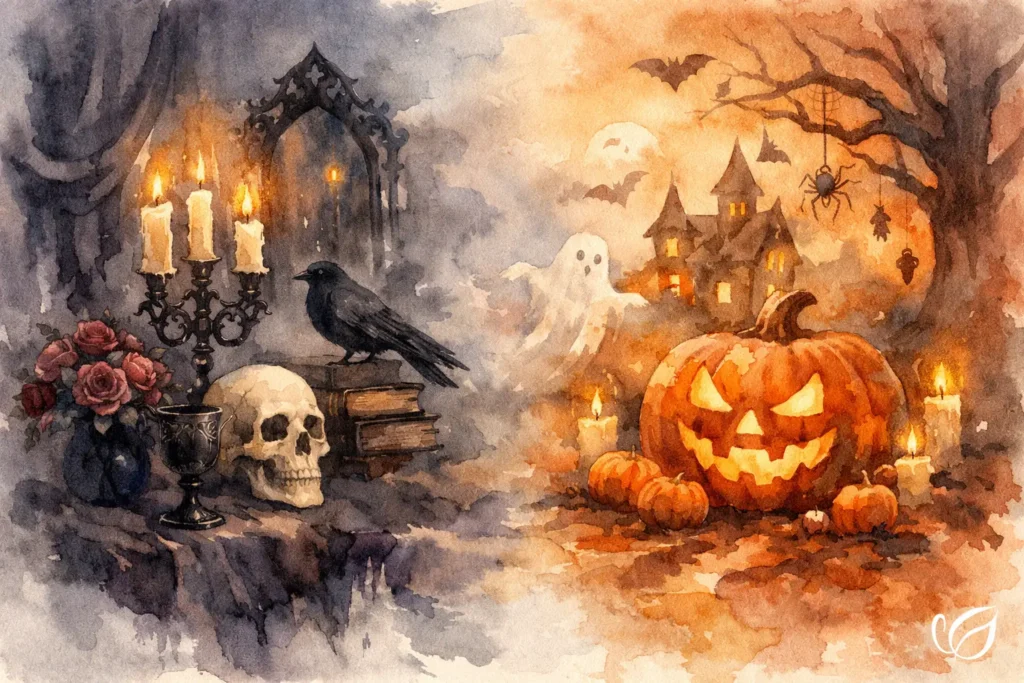
A black candlestick holder can look perfectly at home in October, then remain on the mantelpiece long after the trick-or-treat sweets have disappeared. That is where the difference between gothic decor vs Halloween decor becomes useful. Both styles enjoy shadows, skulls, ravens and a little theatrical mystery, but they create very different feelings in a room.
Halloween decor is made for a moment. Gothic decor is made for a mood. Knowing which one you are drawn to makes it far easier to choose presents, tableware and finishing touches that feel like you rather than something that needs packing away on 1 November.
What makes gothic decor different?
Gothic decor takes its inspiration from old architecture, romantic literature, Victorian mourning traditions, medieval imagery and the elegant side of the macabre. It is less about giving someone a fright and more about building atmosphere. Think black lace, antique-looking frames, crescent moons, cathedral-style details, ravens, botanical motifs, deep jewel tones and candlelight.
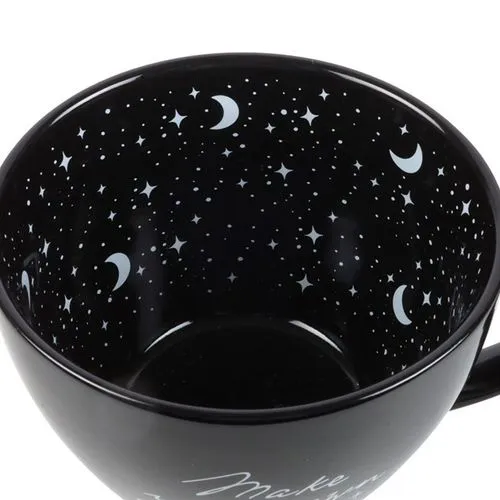
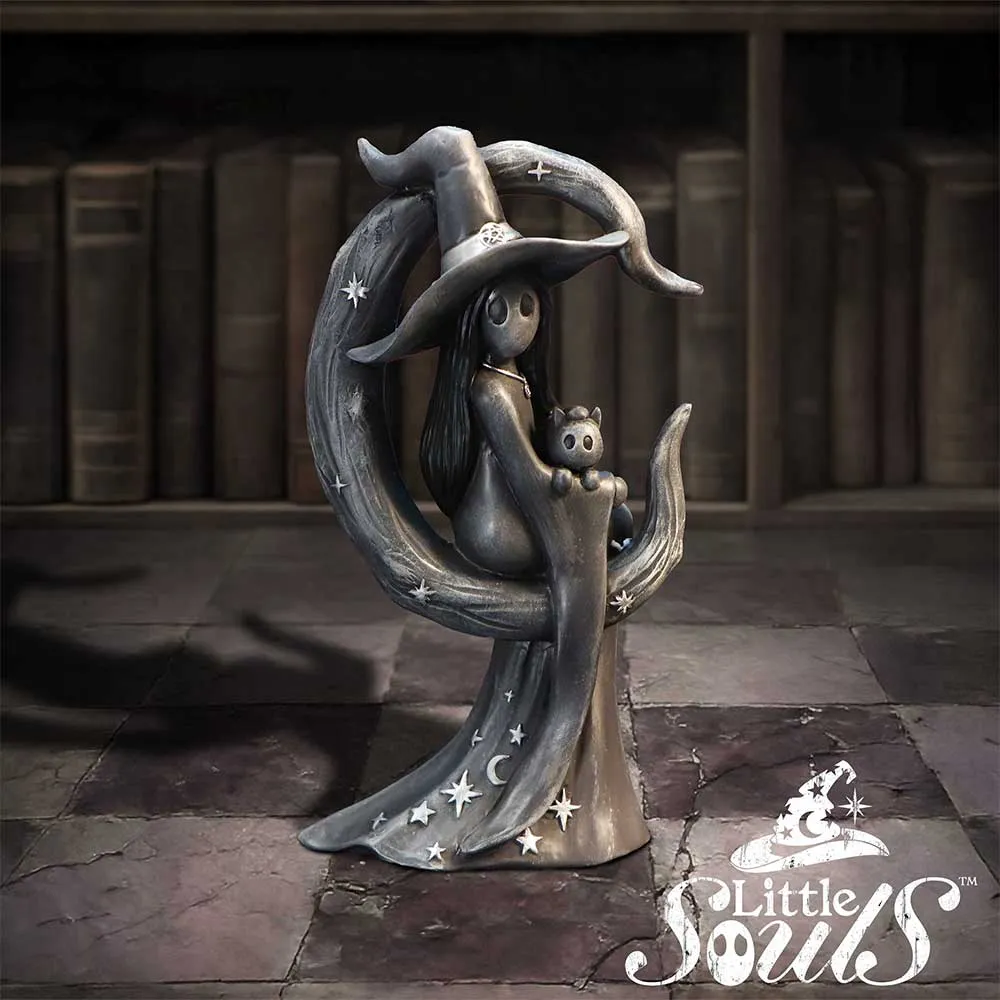
The best gothic pieces have a sense of permanence. A black mug decorated with mystical symbols, an ornate incense burner or a moon-themed trinket dish can be part of your everyday space. Their appeal is not tied to a date in the diary. They add character to a bedroom, reading corner, dining table or shelf of treasured collectables throughout the year.
Colour also matters. While black is the obvious starting point, gothic style often becomes richer with burgundy, forest green, midnight blue, plum, aged gold and bone white. Texture does a great deal of the work too. Matte ceramics, dark wood, smoky glass, velvet and metal finishes keep the look layered rather than flat.
There are playful versions, of course. A cute bat-shaped mug or a charming little ghost ornament can still feel gothic when the design is darkly whimsical rather than overtly seasonal. Gothic style has room for personality, humour and fandom, especially when an item looks like it belongs in a magical library, an old castle or a witch’s kitchen.
What makes Halloween decor seasonal?
Halloween decor is designed to announce the season. Its purpose is immediate: turn a hallway, party table or window display into something spooky, silly or spectacular for late October. Pumpkins, cobwebs, skeletons, witches’ hats, grinning ghosts and orange-and-black colour schemes lead the way.
It can be deliberately dramatic. A giant spider, a glowing pumpkin garland or a bowl shaped like a skull gives guests an instant signal that Halloween has arrived. This is decor for parties, film nights, pumpkin carving sessions and answering the door to trick-or-treaters. It does not need to blend quietly into the rest of your home.
That does not mean Halloween items cannot be well made or collectable. A detailed ceramic pumpkin, a vintage-style witch decoration or themed tableware may be worth bringing out every autumn. The difference is that the season is part of the charm. Halloween decor invites rituals: decorating the house, hosting friends, choosing scary films and making October feel properly special.
Gothic decor vs Halloween decor: the quickest way to tell
Ask one simple question: would you still want it on display in February?
If the answer is yes because it feels elegant, magical, mysterious or deeply personal, it is likely gothic decor. If the answer is no because its joy comes from pumpkins, jump scares or a Halloween party theme, it belongs in the seasonal box. Neither choice is better. They simply serve different spaces and occasions.
Gothic decor tends to be more subtle and story-led. It might reference tarot imagery, celestial symbols, ravens, spellbook styling or dark florals. Halloween decor tends to be more literal and instantly recognisable, with bats, jack-o’-lanterns, monsters and novelty details at the forefront.
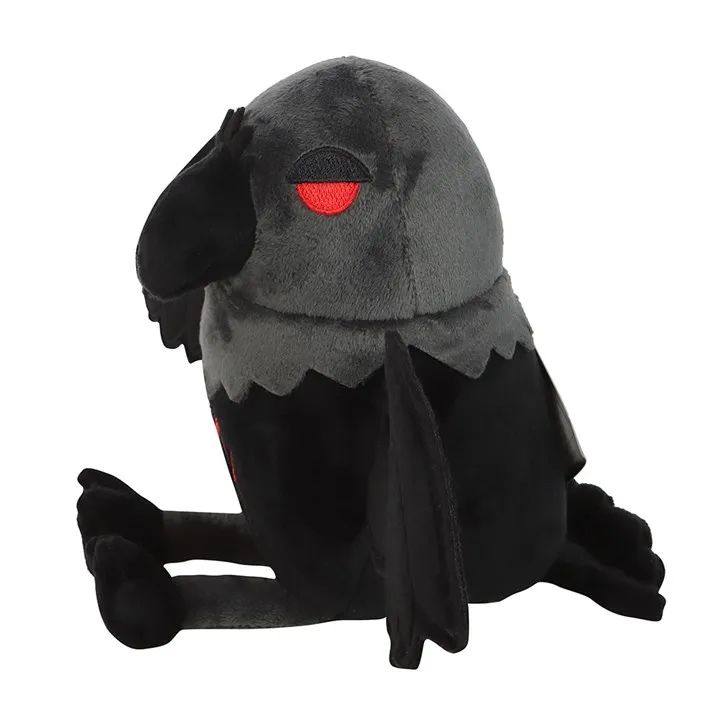
The materials can offer another clue. Gothic pieces often aim for an aged, ornate or atmospheric finish. Halloween decorations are more likely to feature bright accents, flashing lights, exaggerated expressions or lightweight party-ready construction. A black resin raven on a stack of books feels gothic. A green, cackling witch with orange striped legs is firmly Halloween.
Where the two styles happily overlap
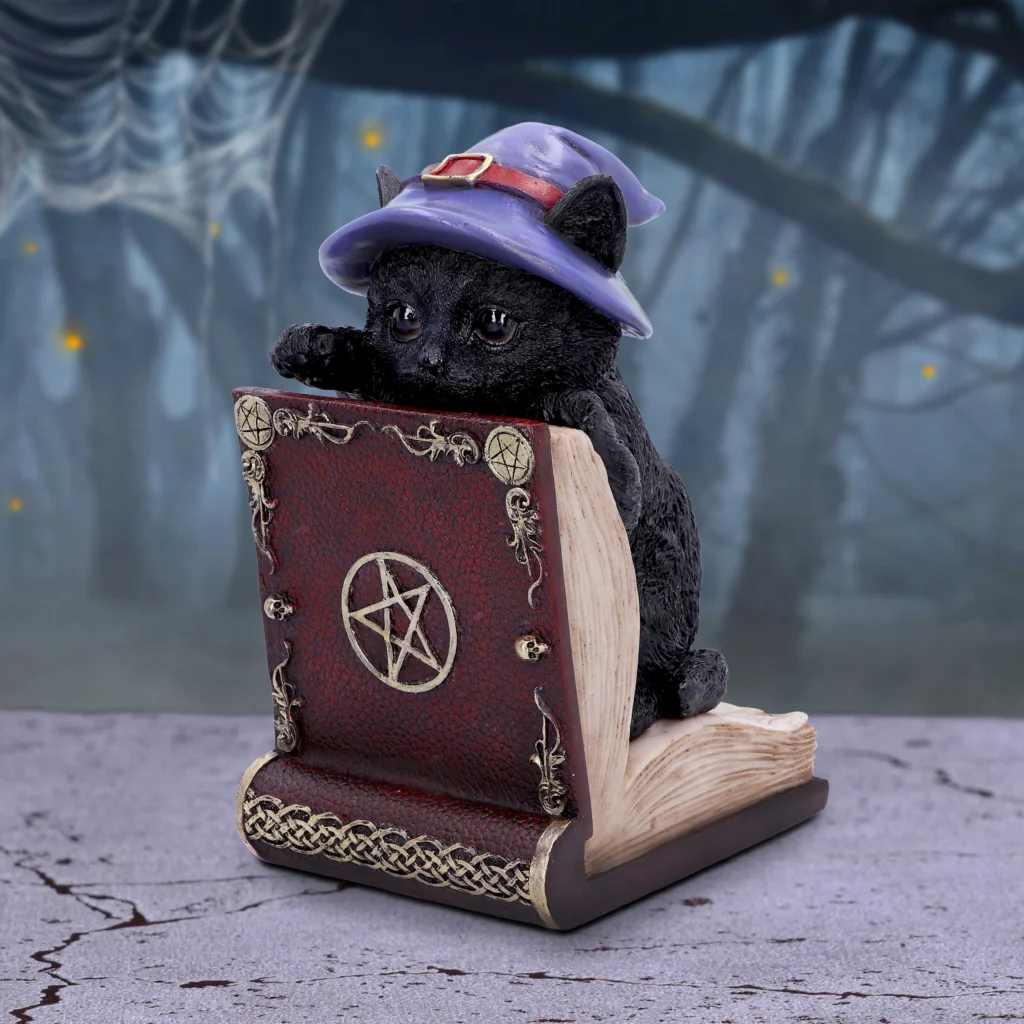
The line is not always sharp, and that is part of the fun. Bats, black cats, skulls, ghosts and witches can all cross from one category to the other depending on their design. A glossy black cat oil burner may work all year in a gothic home, while a cat wearing a pointed hat is likely intended for Halloween.
If you love both, use gothic decor as the foundation and let Halloween arrive in layers. Keep the dark candles, mystical mugs, raven ornaments and alternative tableware out all year. Then add pumpkins, spiderweb details, novelty cushions and seasonal lights when October comes around. The result feels collected and personal rather than like a temporary shop display.
This approach is especially useful in smaller homes or flats. You do not need a separate cupboard of oversized decorations to make Halloween feel exciting. A few seasonal additions against a gothic backdrop can create a wonderfully haunted look without overwhelming the room.
Choose the balance that suits your home
A year-round gothic space benefits from restraint. Pick a few recurring motifs, such as moons, botanicals, ravens or celestial shapes, then repeat them in different forms. A candle holder, wall print, mug and jewellery dish can echo one another without turning every surface black.
For a Halloween party, restraint is optional. This is the moment for bold centrepieces, themed snacks and serving pieces that make people smile before they have even chosen a drink. Add orange or purple alongside your darker base colours to make the setting feel unmistakably October.
If your taste sits somewhere in the middle, look for items with a vintage Halloween feel. Cream pumpkins, muted black-and-white ghosts, antique-style spellbook designs and classic witch imagery can bridge the gap beautifully. They are festive enough for autumn but not so bright or cartoonish that they clash with an alternative interior.
Buying gifts: match the person, not the calendar
When choosing between gothic and Halloween gifts, think about how the recipient lives with the item. A gothic gift is ideal for someone who wears black all year, collects magical pieces, loves fantasy worlds or has a home full of candles, books and unusual finds. It feels considered because it becomes part of their everyday ritual.
Halloween gifts suit people who treat October as an event. They may host an annual horror-film night, decorate the front room for visitors or count down to Halloween from the end of summer. A seasonal mug, serving bowl, ornament or party accessory gives them another reason to enjoy their favourite time of year.
For collectors, licensed fandom can make the choice even more personal. A darkly styled piece inspired by a favourite fantasy or supernatural world can feel gothic without being restricted to Halloween. Meanwhile, a character-led seasonal decoration may become the item they bring out with pride every October. At The Hidden Hatch, that meeting point between alternative style, magical gifting and collectable character is exactly what makes a present feel more memorable than a safe default.
A final styling rule worth keeping
Buy the piece that gives you a small spark of recognition, not the one that seems most obviously spooky. A home with personality is built from objects you genuinely want to use, display and pick up again. Whether that means a candlelit gothic corner every day of the year or a gloriously over-the-top Halloween table once autumn arrives, the right decor should feel like part of your story.
| Feature / Aspect | Gothic Decor | Halloween Decor |
| Primary Purpose | Year-round lifestyle and interior design aesthetic. Built for long-term living and permanent home styling. | Seasonal celebration and party styling. Intended for temporary setup during October. |
| Design Vibe | Elegant, moody, dramatic, historical, and opulent. | Spooky, playful, novelty-driven, or theatrical. |
| Colour Palette | Rich jewel tones (plum, burgundy, emerald), deep black, charcoal, antiqued gold, and tarnished silver. | Bright orange, lime green, vivid purple, stark white, and jet black. |
| Materials and Texture | High-end and heavy: Velvet, brocade, solid wood, wrought iron, brass, lace, and cut glass. | Lightweight and temporary: Plastic, paper, synthetic cobwebs, foam, and polyester banners. |
| Key Decorative Elements | Ornate mirrors, candelabras, taxidermy, dark florals, Victorian architectural details, and leather-bound books. | Jack-o’-lanterns, plastic skeletons, fake cobwebs, paper bats, and themed party props. |
| Longevity | Permanent interior investment meant to age gracefully. | Stored away in boxes after 31st October. |
❓ Frequently Asked Questions (QandA)
Q1: What is the single biggest difference between Gothic decor and Halloween decor?
A: The main distinction lies in intent and craftsmanship. Gothic decor is an established interior design movement focused on drama, elegance, and rich textures for year-round living. Halloween decor is a seasonal, holiday-specific theme designed around novelty motifs, spooky party setups, and temporary embellishments.
Q2: Can I use Gothic homeware pieces for Halloween decorating?
A: Absolutely. Gothic items—such as brass candelabras, dark floral arrangements, or ornate mirrors—make fantastic foundations for a sophisticated Halloween display. The difference is that when November arrives, true Gothic decor stays on display as part of the home’s permanent aesthetic rather than being packed away into storage.
Q3: How do I make my home feel “Gothic” without it looking like a Halloween haunted house?
A: Focus on luxurious textures and historical depth rather than spooky tropes. Avoid plastic novelty items (like fake cobwebs or glowing green skulls). Instead, incorporate rich velvet curtains, dark painted feature walls, antiqued gold frames, ornate glassware, and ambient candlelight. Think Victorian mansion or dramatic boutique hotel rather than a ghost tour.
Q4: Are there sub-styles within Gothic decor?
A: Yes, Gothic interior design spans several distinct aesthetics:
- Victorian Gothic: Heavy carved woods, brocades, wallpaper patterns, and antique curiosities.
- Modern / Minimalist Goth: Clean lines, monochrome black-and-grey palettes, matte finishes, and subtle architectural drama.
- Whimsigoth: A blend of 90s nostalgia, celestial prints, moody hues, velvet fabrics, and botanical elements.
- Dark Academia: Focused on vintage libraries, leather books, dark wood desks, bust sculptures, and Moody European heritage styling.
Q5: Is Gothic decor expensive to implement compared to buying seasonal Halloween decorations?
A: Initially, yes—because Gothic decor prioritises real materials like solid timber, heavy metals, quality glass, and rich fabrics over single-season plastics. However, because Gothic pieces are permanent additions to your living space, they offer far better long-term value than replacing disposable Halloween items year after year.