
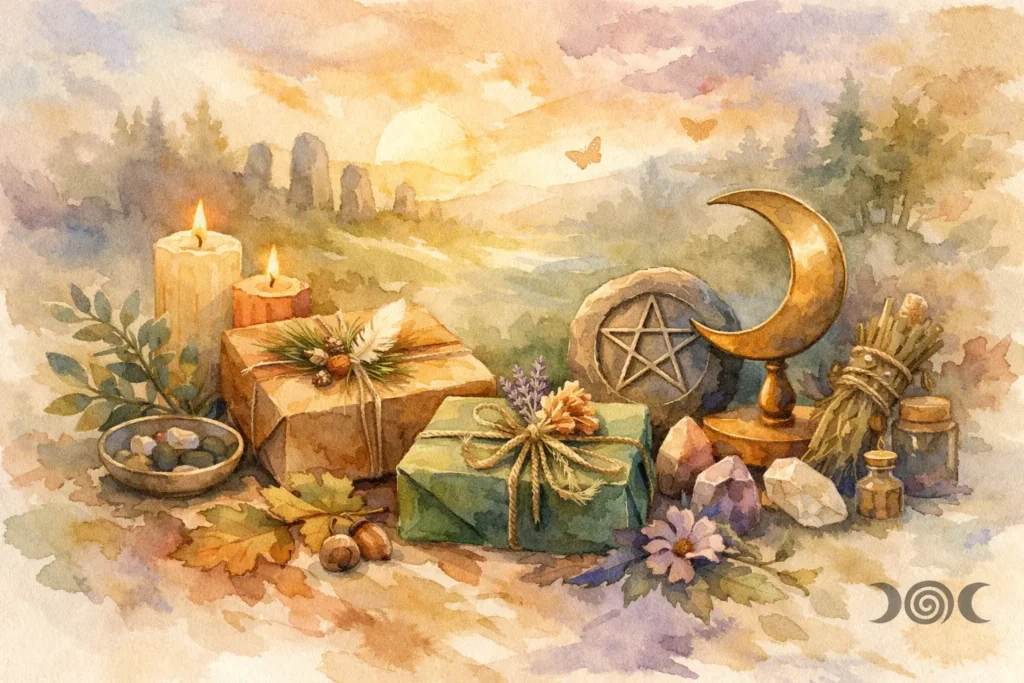
A truly good pagan gift does not need to look like it was lifted from a film set. It needs to feel considered. This guide to pagan gift giving is for finding presents that reflect someone’s practice, aesthetic, favourite season or simply their love of all things mystical – without making assumptions about what they believe.
Pagan paths are wonderfully varied. One person may keep a carefully arranged altar and observe each turn of the Wheel of the Year; another may be drawn to folklore, moon phases, incense and gothic décor without following a formal spiritual practice. The best gifts leave room for that individuality. Think less about buying the most overtly “witchy” item available and more about choosing something with atmosphere, purpose and personality.
Start with the recipient, not the label
“Pagan” covers a wide and deeply personal range of traditions, including Wiccan, Druid, Heathen, Celtic-inspired and eclectic practices, alongside people who simply enjoy magical symbolism. That means there is no single present that suits everyone. A pentagram may be treasured by one person and irrelevant to another; a Norse symbol may carry specific religious meaning rather than being a decorative motif.
If you know their tastes, use the clues already in front of you. Notice the colours in their home, whether they favour dark romantic gothic pieces or lighter woodland-inspired details, and the symbols they choose for themselves. Are they always burning incense? Do they collect ravens, moons or dragons? Are they more likely to be planning a Samhain gathering than displaying crystals on every shelf? Their existing style is a better guide than a generic idea of what a pagan gift should be.
When in doubt, choose an item that is beautiful and adaptable. A striking tealight holder, a moon-themed mug or an ornate trinket dish can be enjoyed in everyday life, used in a ritual space, or displayed as part of a carefully curated home.
Give useful ritual items with care
Practical gifts can be especially welcome, because the small objects used often are the ones that become part of a person’s routine. The key is to keep their personal preferences in mind. An oil burner in a design that suits their space, an incense holder with a mystical motif, or a set of candles in rich seasonal shades can all feel thoughtful without presuming to define their spiritual path.
Candles and burners make everyday magic
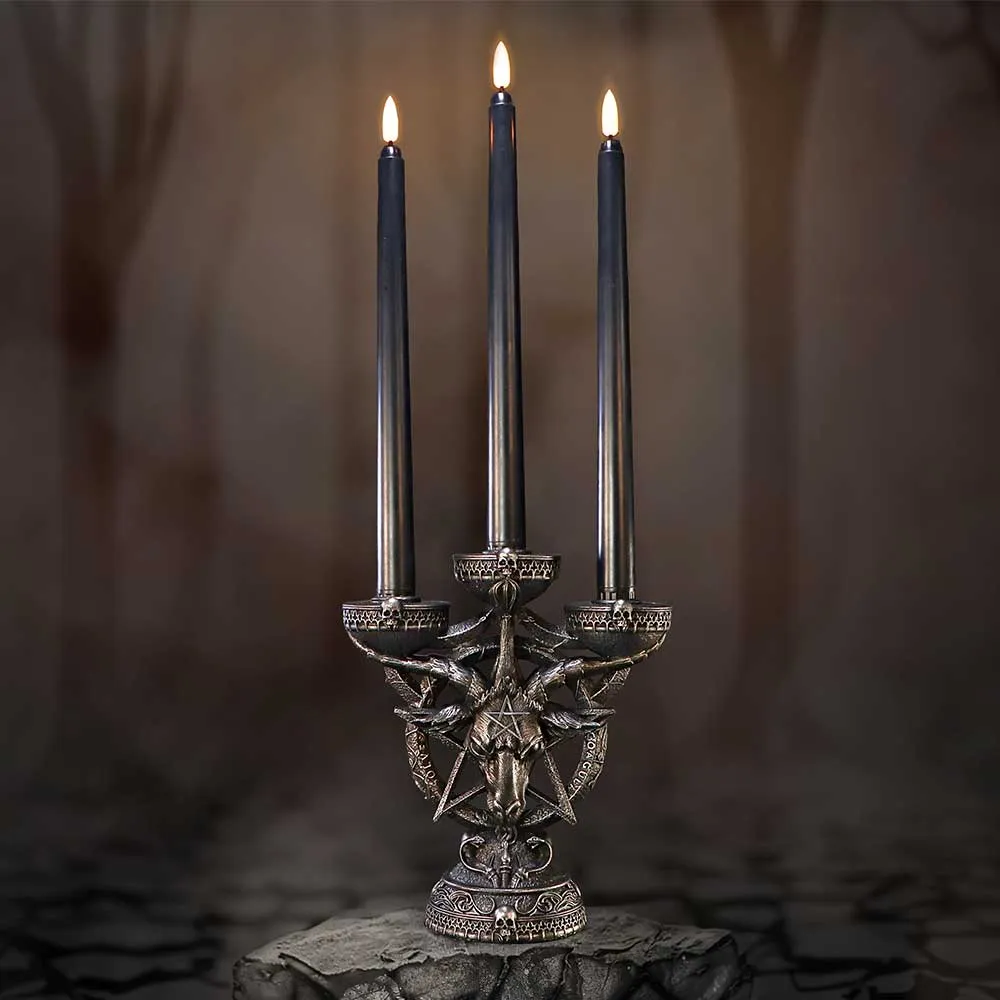
Candles are a classic choice for good reason. They create a calm corner at the end of a long day, add atmosphere to a seasonal table and can be incorporated into all kinds of personal rituals. A sculptural holder or gothic candle accessory gives the gift more lasting appeal than a plain pack of candles alone.
Oil burners and incense burners work beautifully for someone who enjoys scent-led rituals or just likes their home to feel inviting. Consider the practical side, too. A recipient with pets, young children or a compact flat may prefer a decorative holder, mug or ornament over strongly fragranced products. Fragrance is personal, and some people avoid it altogether.
Small altar and storage pieces earn their place
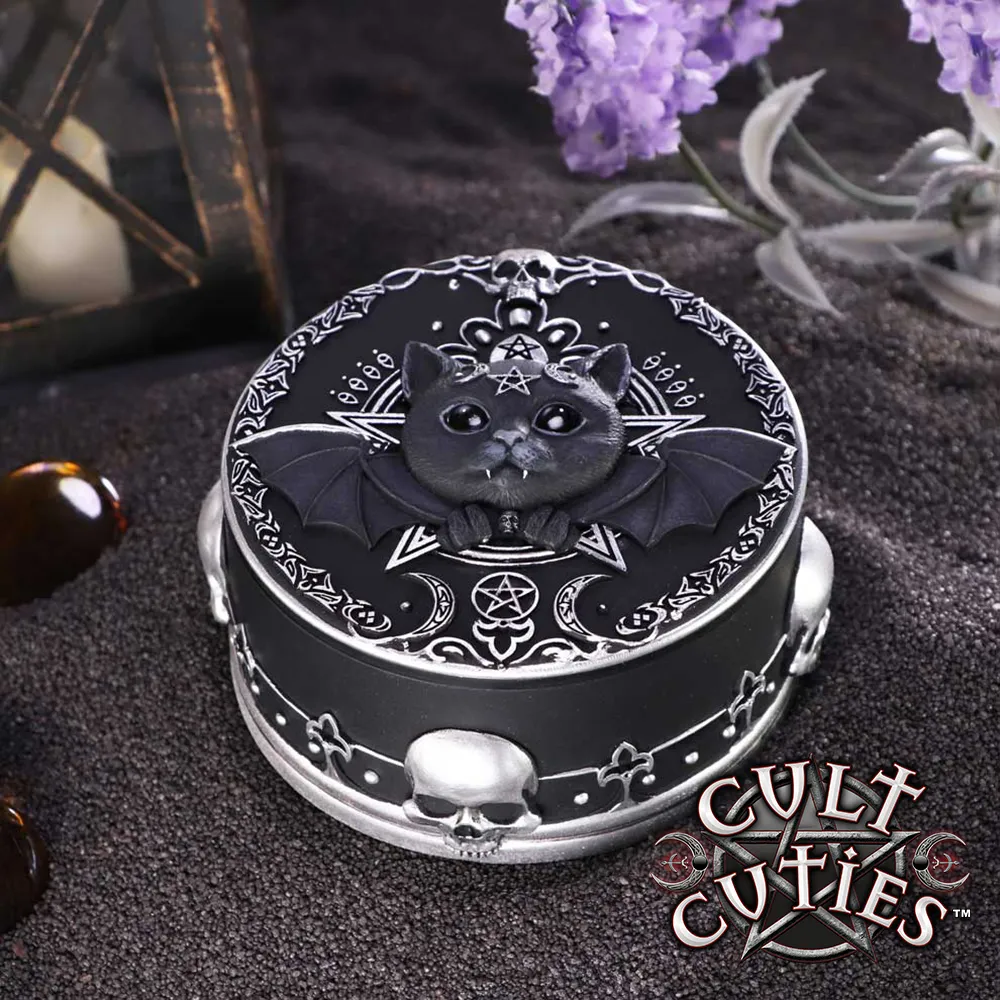
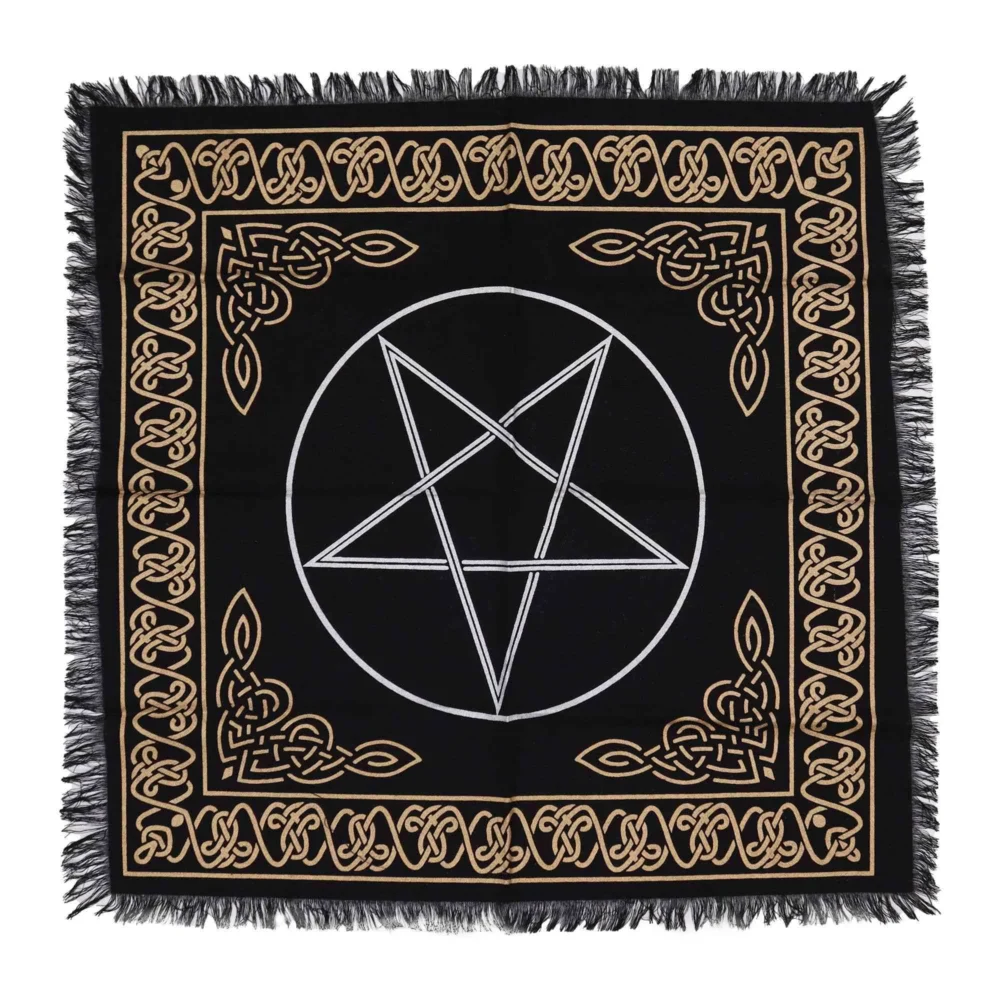
An altar does not have to be a large permanent arrangement. It may be a shelf, windowsill, drawer or small tray that is set up when needed. That is why compact, attractive objects are often so useful. Trinket dishes can hold jewellery, charms or tiny meaningful finds. Decorative boxes and small storage pieces can keep ritual tools together while looking at home on a bedside table.
Choose designs with a sense of story: moon phases, celestial patterns, ravens, forest creatures, ancient-looking symbols or rich black-and-gold detailing. The object does not need to claim a specific spiritual purpose to become meaningful in the hands of its owner.
Let the seasons guide your choice
Seasonal gifting has a natural place in pagan-inspired celebrations. The Wheel of the Year offers plenty of inspiration, but you do not need to know every festival in detail to choose something fitting. Look for the mood of the season rather than treating it as a costume theme.
For spring, fresh botanical designs, green accents and gentle woodland imagery feel right at home. Around Beltane, floral or nature-inspired pieces can suit someone who loves the bright, expressive side of the year. Autumn is ideal for darkly charming tableware, pumpkin details, black cats, ravens and candlelight. Samhain-inspired gifts often appeal to gothic collectors as much as practising pagans, making this a particularly easy season for a distinctive present.
Winter invites a more reflective approach. Celestial homeware, elegant mugs for quiet evenings, deep-coloured candles and magical décor all work beautifully. If you are buying for Yule, think cosy rather than overly festive: a piece that will still look special long after the decorations have been packed away has more staying power.
A seasonal gift does not have to be used only once a year. The most memorable finds carry the atmosphere of autumn, moonlit woods or midwinter magic while still earning a place in the home every day.
Magical homeware is often the safest bet
For gift buyers who are unsure about the recipient’s exact beliefs, magical homeware is a thoughtful middle ground. It celebrates the aesthetic they love without choosing something overly specific for their practice. A beautifully designed mug can become a daily favourite for tea, coffee or a comforting herbal brew. Alternative tableware turns an ordinary meal into a small occasion. A decorative ornament can bring personality to a desk, bookshelf or altar space.
This is also where gifting becomes more personal than simply buying an obvious symbol. Someone who loves dark fantasy may be delighted by a dramatic dragon design. A reader of folklore may prefer forest imagery or a raven. A fan of moonlit, mystical interiors might choose celestial details over overtly religious iconography. These gifts say, “I notice what you are drawn to,” which is usually the point.
At The Hidden Hatch, this overlap between magical gifting, gothic style and collectable character is part of the fun. The right piece can feel like a useful household object, a conversation starter and a little treasure all at once.
Pair the gift with their other passions
Pagan gift giving does not have to stay inside one category. Many people who enjoy mystical or alternative style are also passionate collectors, fantasy fans and lovers of cult entertainment. If their shelves already mix incense burners with fantasy books, or their kitchen cupboard contains character mugs alongside moon-themed pieces, follow that thread.
A licensed Lord of the Rings collectable, for example, may suit a recipient who loves mythic journeys and rich fantasy worlds. A darkly styled Game of Thrones item can complement a gothic home. Halloween décor can be the perfect choice for someone whose favourite season is permanently October. These are not substitutes for spiritual objects, but they can be more personal because they honour the whole person rather than one label.
There is a trade-off here. Franchise merchandise is a brilliant gift when you know the fandom is genuine; it can feel impersonal when it is chosen only because it seems adjacent to a magical theme. Pick the story they actually love, not the one you think they ought to love.
Avoid the common gifting missteps
The most respectful approach is to avoid treating pagan beliefs as a novelty. Skip joke gifts that reduce spiritual practice to spell-book clichés, and be cautious with symbols whose meaning you do not understand. Some traditions and cultural practices deserve more care than a quick visual match on a shelf.
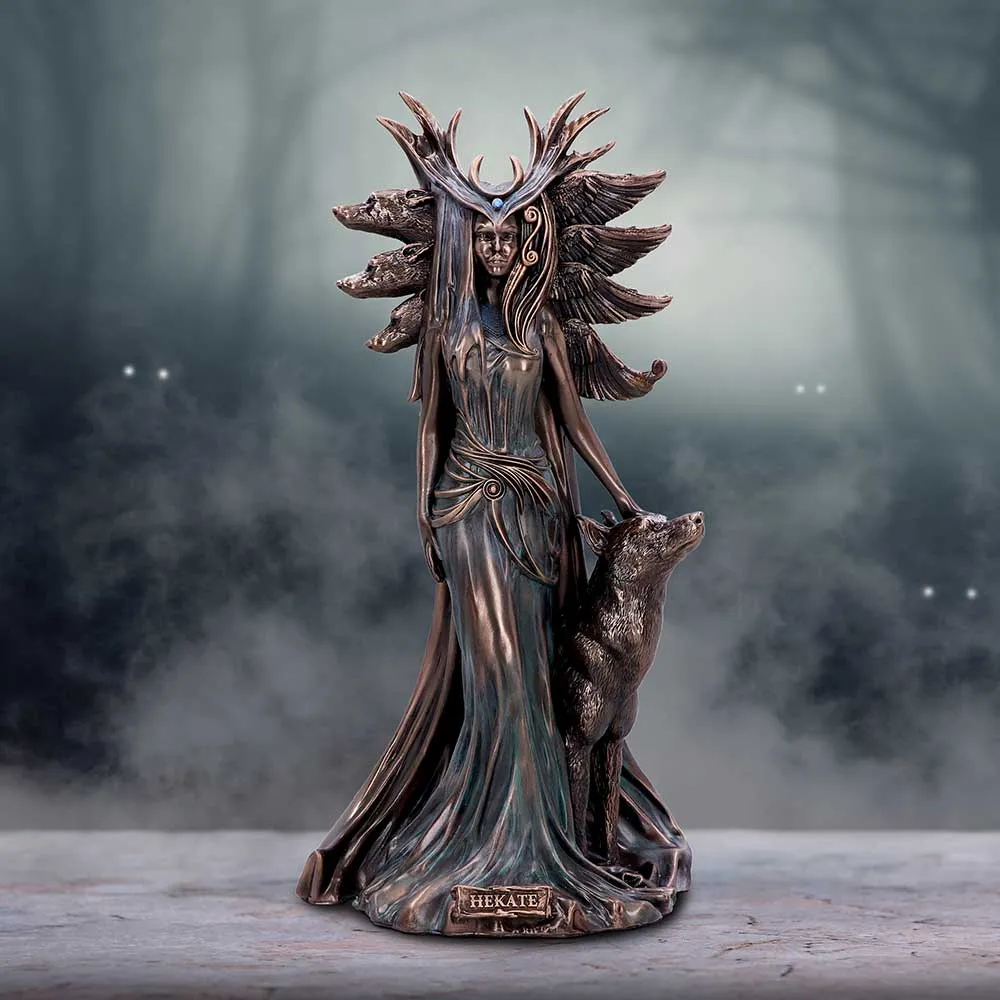
It is also wise not to buy ritual ingredients, divination tools or highly specific spiritual items unless you know they have asked for them. A person may have firm preferences about tarot artwork, crystal sourcing, herb use, deity imagery or the tools they use in private practice. A gorgeous candle holder is usually easier to welcome than a set of tools selected on their behalf.
Presentation matters. Wrap the gift in colours they love, add a simple handwritten note, and let the object speak for itself. You do not need a grand explanation of its symbolism. A note saying that its moon design made you think of their beautifully atmospheric home can be warmer and more meaningful than trying to interpret their beliefs for them.
The best pagan-inspired gifts feel less like a box to tick and more like a small act of recognition. Choose something charming, useful or collectable, give it with respect, and leave space for the recipient to make it part of their own story.
A Guide to Pagan Gift Giving: Summary
| Recipient Profile | Recommended Pagan Gifts | Key Aesthetics and Motifs | Why It Works |
| The Practising Altar-Keeper | Sculptural candleholders, trinket dishes, decorative storage boxes | Moon phases, ancient-style carvings, black-and-gold detailing | Provides practical storage and utility for tools without assuming specific deity paths or rigid ritual rules. |
| The Nature and Folklore Lover | Botanical mugs, green/woodland accents, animal ornaments | Forest creatures, ravens, flora, seasonal Wheel of the Year cues | Celebrates natural cycles and rustic folklore without feeling overly theatrical or clinical. |
| The Gothic and Mystic Enthusiast | Atmospheric oil burners, dark alternative tableware, dramatic mugs | Ravens, skulls, rich burgundy, charcoal, deep black glass | Integrates easily into year-round atmospheric home decor for daily tea breaks and evening wind-downs. |
| The Fantasy and Fandom Collector | High-end fantasy homeware, mythic collectables, themed chalices | Middle-earth lore, heraldic symbols, dragons, celestial art | Bridges the gap between personal spiritual aesthetics and genuine love for epic fictional worlds. |
Pagan Gift Guide: Frequently Asked Questions
1. How do I choose a pagan gift if I don’t know the recipient’s specific spiritual tradition?
Focus on versatile, aesthetic homeware rather than niche religious tools. Opt for adaptable items like a moon-themed mug, a decorative trinket dish, or a sculptural tealight holder, which fit naturally into everyday living spaces regardless of whether someone follows Wicca, Heathenry, Druidry, or an eclectic path.
2. Which items should I avoid buying unless specifically requested?
Avoid highly personal ritual tools, specific deity statues, divination decks, and sacred herbs. Practising pagans often have strict personal preferences regarding artistic style, ethical sourcing, and tool consecration, making universal homeware a much safer and more respectful choice.
3. How can the Wheel of the Year and changing seasons inspire pagan gift choices?
Match the mood of the season rather than buying literal novelty props. Choose fresh botanicals for spring and Beltane, darker tableware or raven motifs for autumn and Samhain, and cosy celestial pieces or deep-toned candles for Yule and winter resets.
4. What makes practical ritual homeware a good gifting choice?
Items such as candle holders, oil burners, and storage tins earn their place because they get used in daily routines. They provide atmospheric value during an evening unwind while keeping loose items organized on a shelf, desk, or temporary altar tray.
5. How should I present a mystical or pagan gift?
Keep the presentation grounded and thoughtful. Use understated wrapping—such as forest green tissue paper, matte black wrap, or a deep ribbon—and include a simple handwritten note mentioning why the design or motif reminded you of them, avoiding exaggerated mystical clichés.