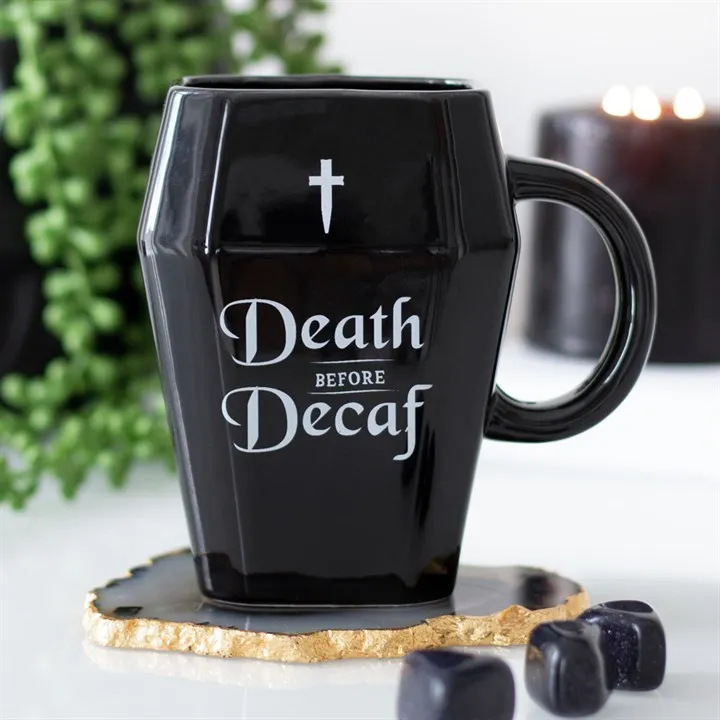
One shelf of potion-inspired glassware, a raven-black candle holder on the mantel, and a mug that quietly signals your favourite fantasy world – that is often all it takes to make a room feel more like yours. Alternative homeware trends are not really about following fashion for fashion’s sake. They are about bringing character into ordinary spaces, whether that comes through gothic details, magical touches, fandom favourites or tableware that feels far less predictable than the high street standard.
For shoppers who want more than plain neutrals and forgettable accessories, this shift feels long overdue. Homeware is becoming more personal, more themed and much more giftable. It is no longer just about matching the sofa. It is about building a space with stories in it. Perfect Gothic Home decor.
Why homeware trends feel bigger now
The appeal is easy to understand. Many people want their homes to reflect the same interests and aesthetics they already wear, watch and collect. If your bookshelf leans fantasy, your playlists run from classic rock to darkwave, or your ideal autumn evening involves incense, candlelight and something supernatural on screen, it makes sense that your homeware choices would follow suit.
There is also a practical side. Smaller decorative pieces let people experiment without committing to a full redecoration. A gothic oil burner, a themed mug set or a striking ornament can shift the mood of a room quickly. It is a low-pressure way to add personality, especially for renters, students and anyone who likes to refresh their space with the seasons.
Gift appeal matters too. Homeware has become one of the easiest ways to buy something that feels thoughtful without being overly complicated. A collectable tankard, a licensed candle holder or a magical trinket dish lands somewhere between useful and memorable, which is exactly where many great gifts sit.
The homeware trends people are actually bringing home
Some trends look dramatic on social media but do not translate well to real homes. The strongest alternative homeware trends tend to be the ones that balance visual impact with everyday use.
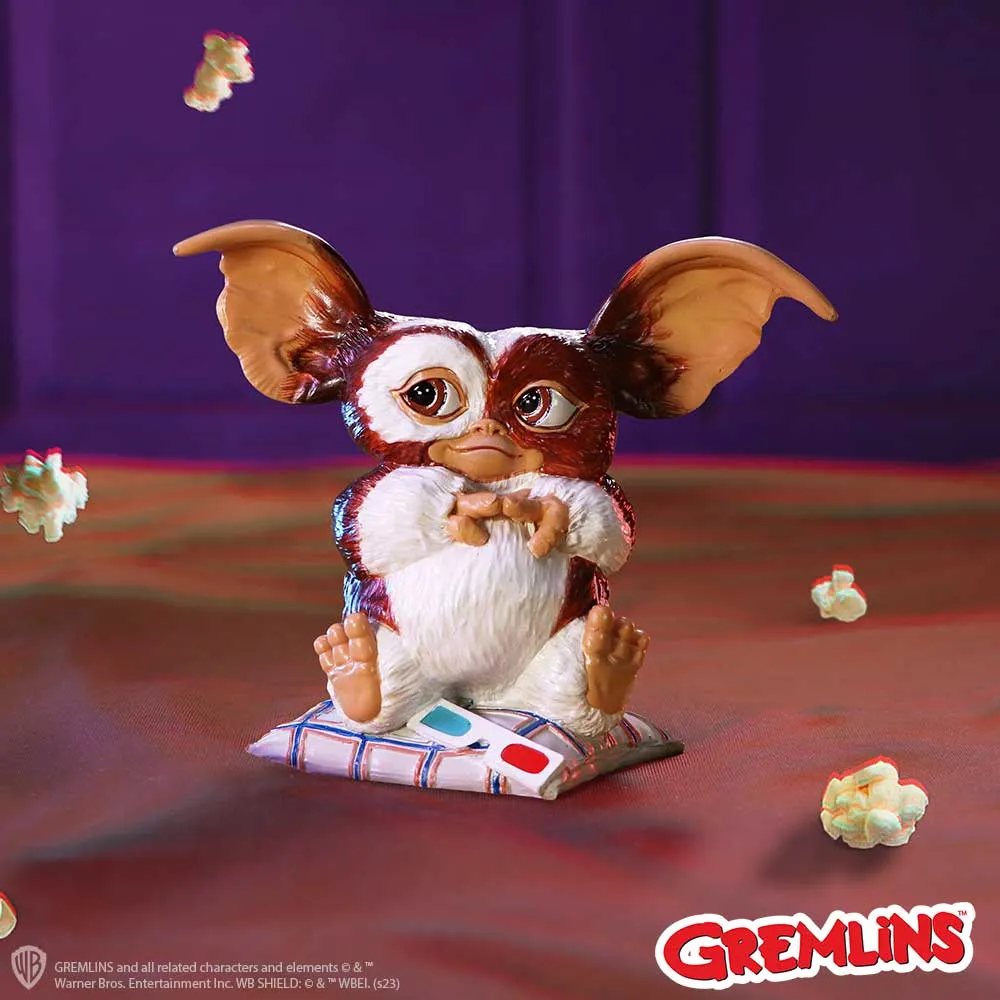
Gothic details with a liveable edge
Gothic homeware has moved well beyond all-black novelty décor. The best pieces now blend darker styling with practical design. Think candle holders with ornate silhouettes, tableware with moon or skull motifs, and decorative accents that nod to Victorian, pagan or witchy influences without turning a room into a film set.
That is the key trade-off. Full theatrical styling can look brilliant in the right space, but for many people a few well-chosen pieces feel more natural. One dramatic centrepiece often works better than ten smaller items competing for attention. The goods here are alternative homeware for the alternative mind.
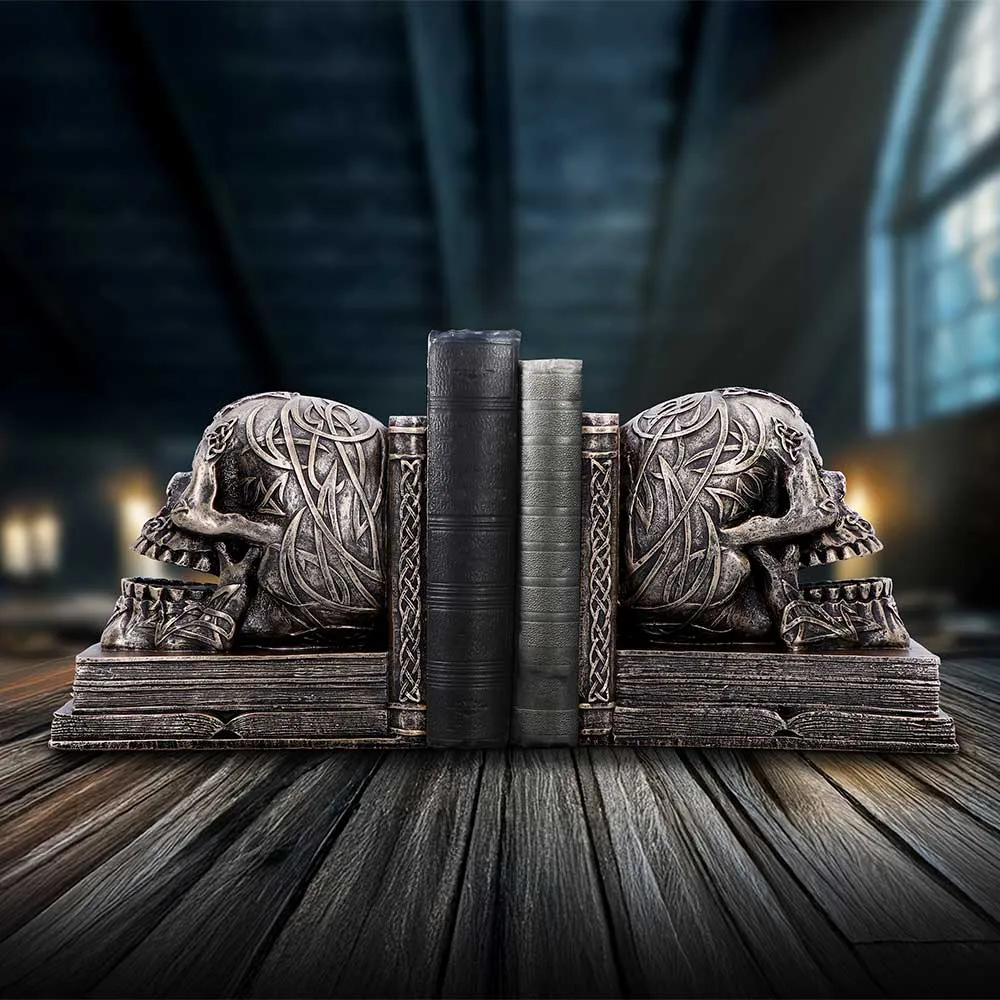
Magical and mystical touches
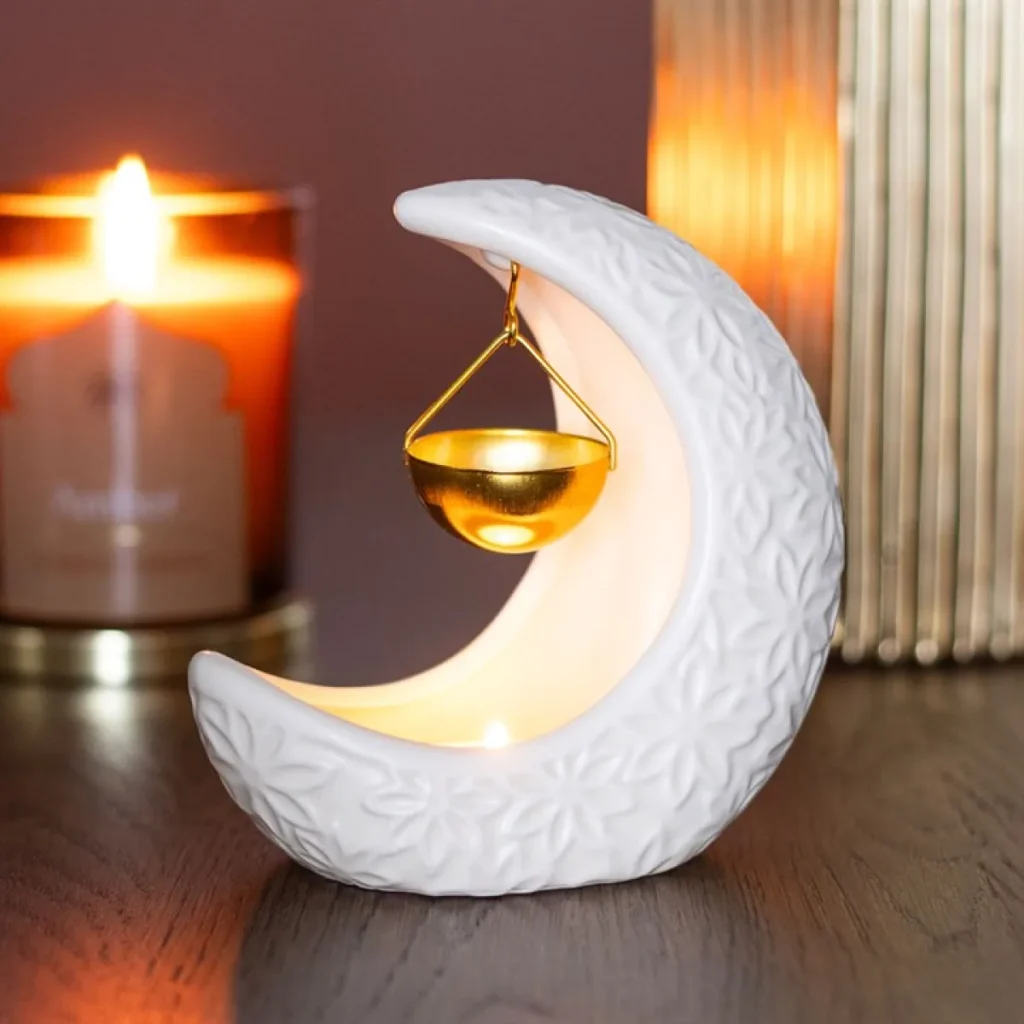
Celestial patterns, tarot-inspired imagery, mushrooms, potion bottles, incense burners and moon-phase designs all continue to hold strong appeal. These pieces suit customers who want their home to feel a little curious and a little enchanted, even if the rest of the room is simple. Just like the house of persephone
This trend works particularly well because it can be styled in different ways. In one home, it leans softly bohemian with warm colours and layered textures. In another, it becomes darker and more ritualistic with black ceramics, metallic finishes and candlelight. Same category, very different atmosphere.
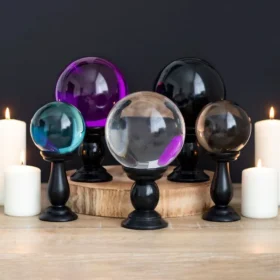
Fandom moving beyond the bedroom shelf
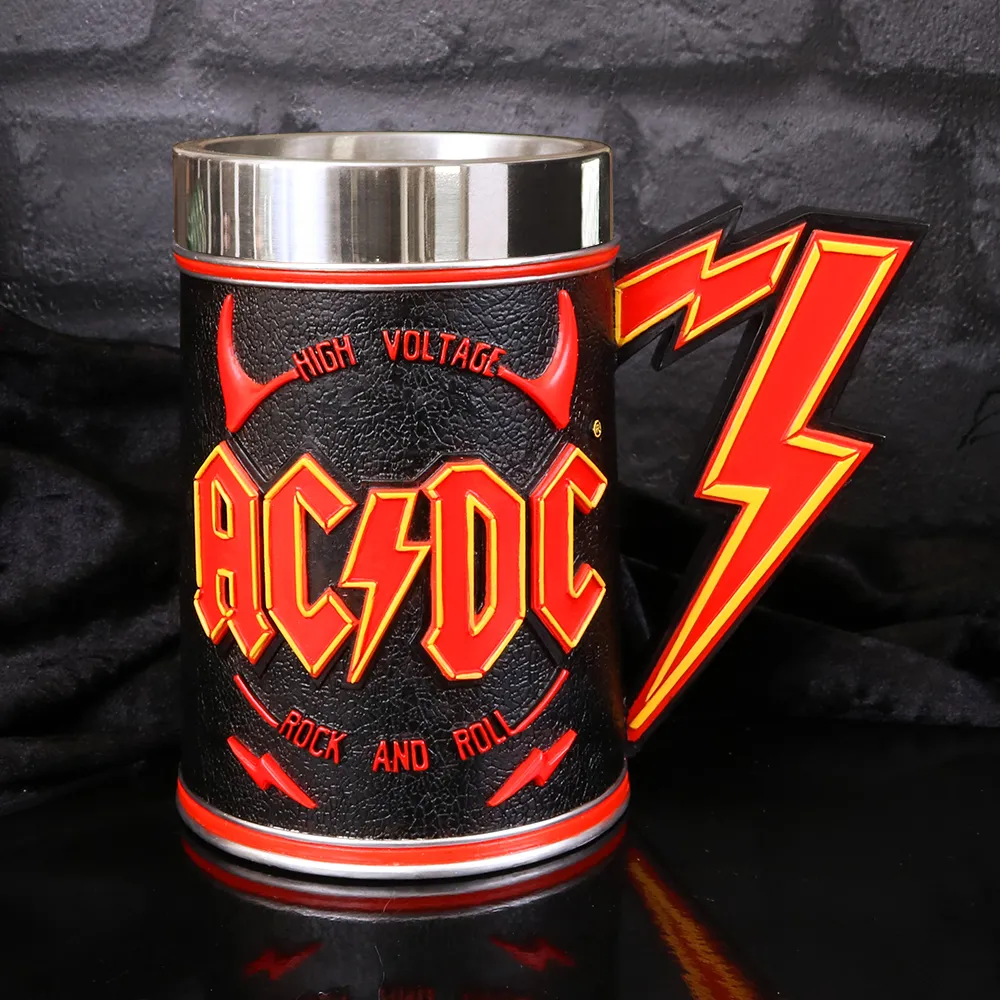
Licensed merchandise has grown up. Instead of limiting fandom to posters and figurines, more shoppers are looking for homeware that lets them weave favourite worlds into everyday life. Mugs, goblets, tankards, candles and collectable décor inspired by major franchises can feel far more sophisticated than older tie-in products.
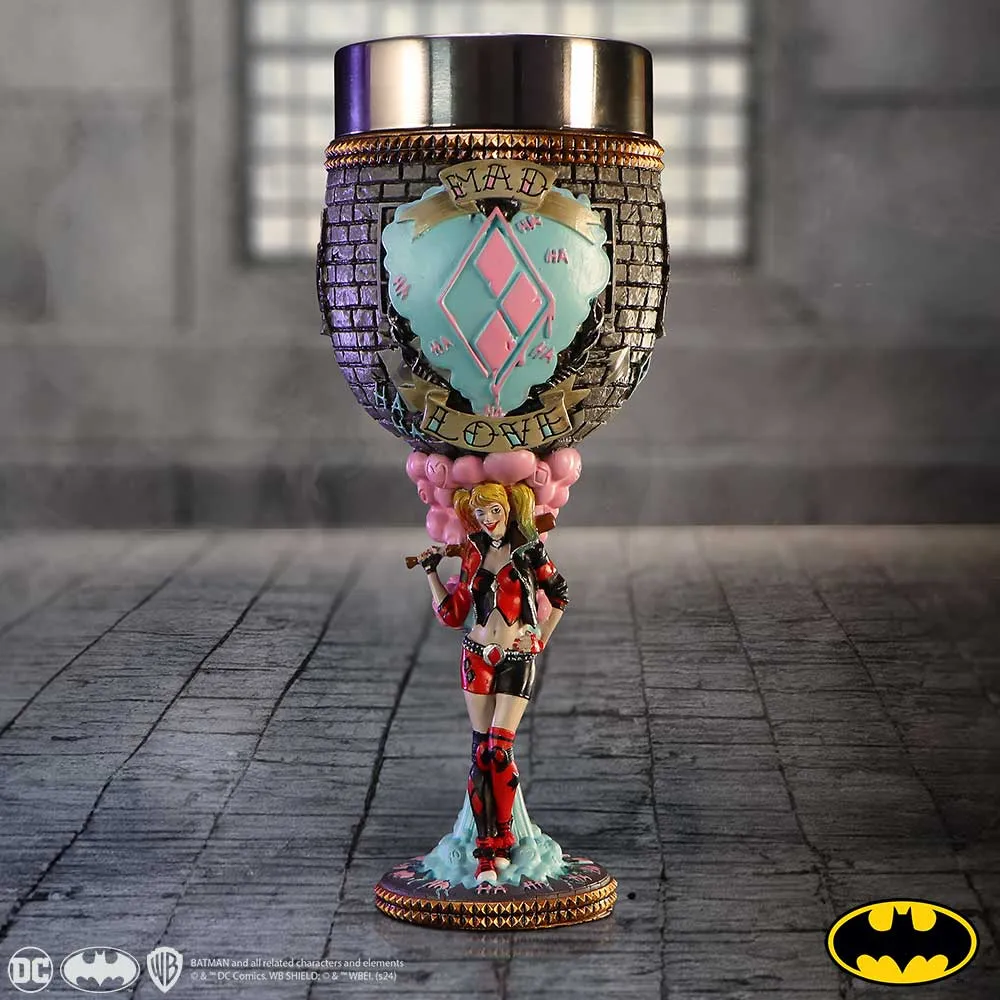
The difference is curation. A well-made piece inspired by Harry Potter, Lord of the Rings or Stranger Things can sit comfortably in a kitchen, snug or gaming corner without feeling childish. For collectors, that matters. For gift buyers, it makes fandom homeware much easier to choose.

Alternative tableware as a statement
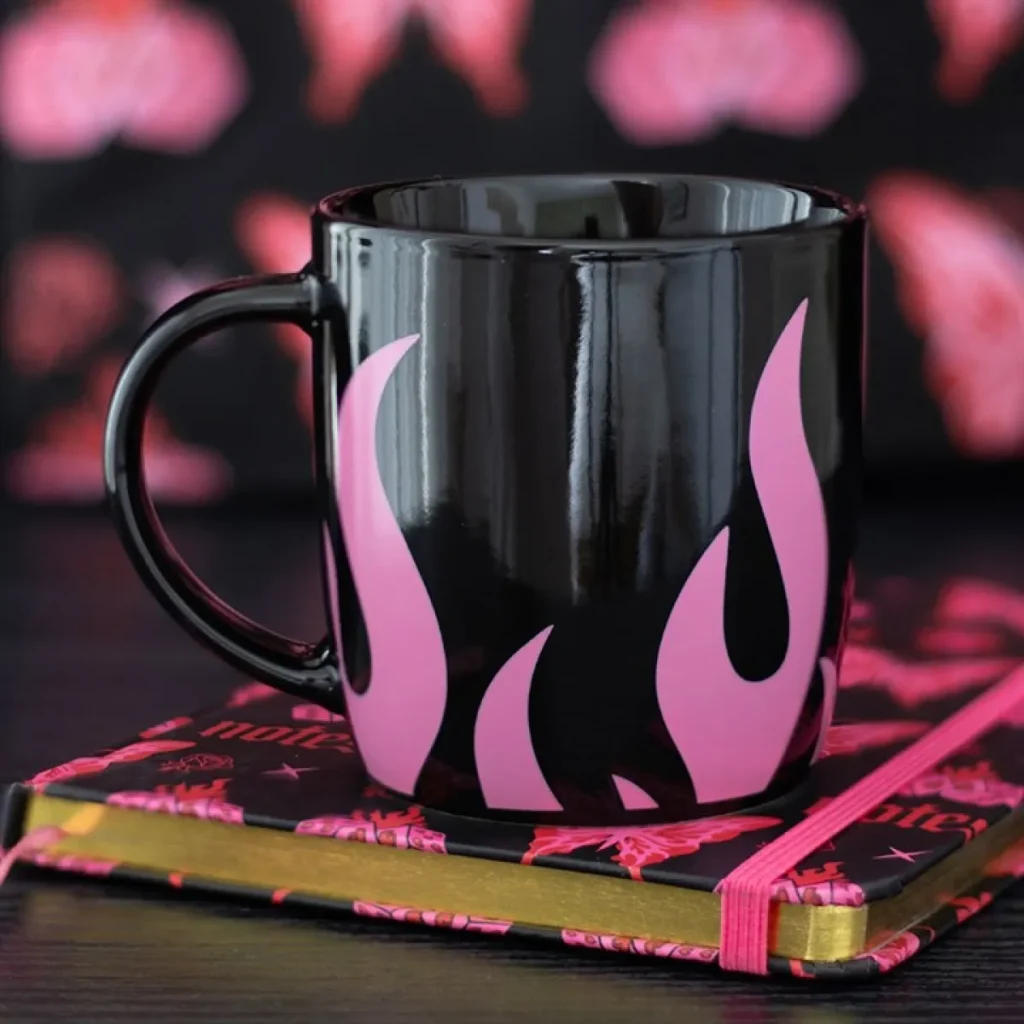
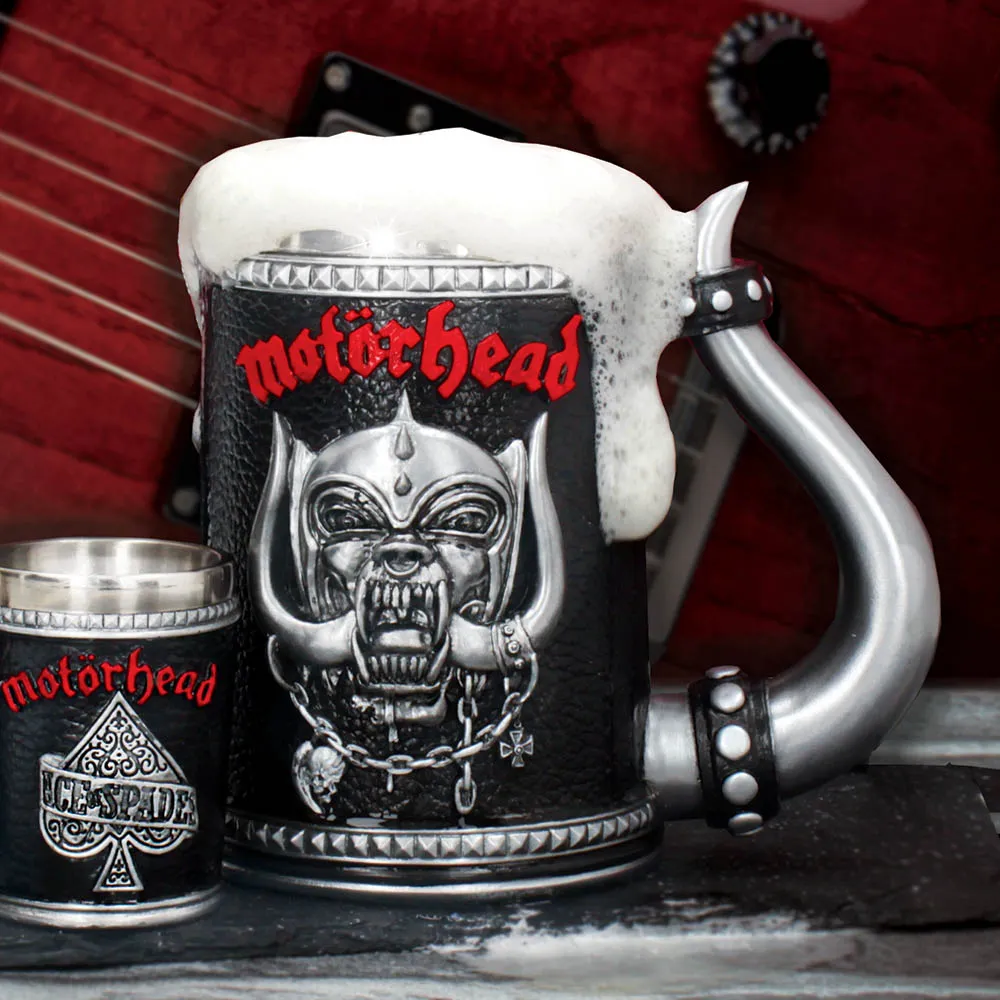
Tableware is having a more expressive moment. Rather than keeping all the personality for occasional décor, people are choosing plates, cups, goblets and serving pieces that turn everyday rituals into something more distinctive. A dramatic mug or unusual cup becomes part of a morning routine. A themed tankard adds something extra to film night or a dinner with friends.
This is one of the most practical trends because it earns its place. Decorative items can be brilliant, but useful pieces tend to get enjoyed more often. If you are buying for someone whose shelves are already full, alternative tableware usually gives you more room to find something fresh.
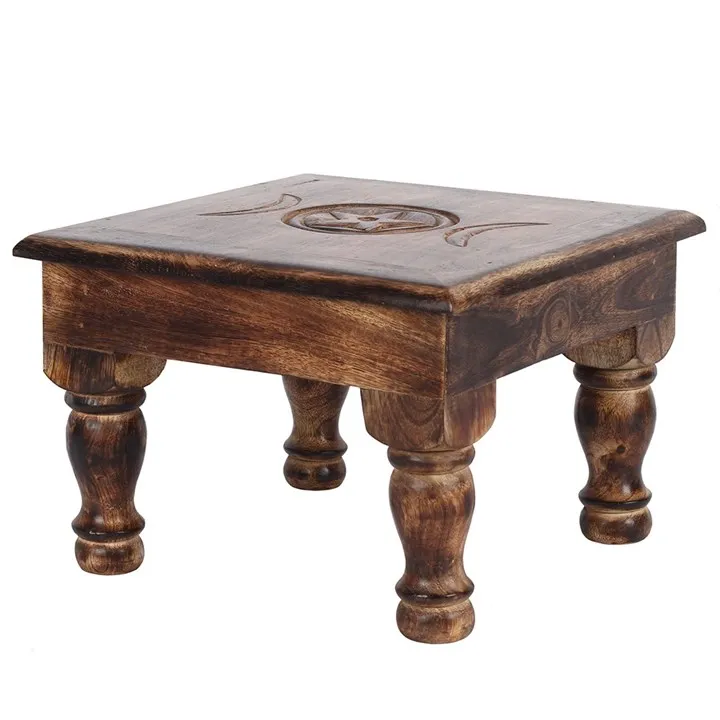
How to style homeware trends without overdoing it
A lot depends on whether you want a full themed room or just flashes of personality. Both can work, but they need different approaches.
If you prefer a subtler look, start with everyday items rather than purely decorative ones. A distinctive mug on the desk, a candle holder on a side table, or an incense burner in the hallway adds character without changing the whole room. This approach suits smaller homes and shared spaces, where a complete aesthetic overhaul may not be realistic.
If you want something bolder, choose one direction and commit to it. Gothic, magical and fandom-inspired styles can all coexist, but they look strongest when there is some shared thread such as colour, material or mood. Black ceramics, antique-effect metallics and deep jewel tones can tie different pieces together surprisingly well.
Scale matters too. A common mistake is buying lots of tiny themed items and scattering them around without a focal point. One larger statement piece, paired with a few supporting details, often feels more intentional and more collectable. Unveiling our batman collectable in the image below.

What makes a piece feel collectable rather than cluttered?
This is where curation really comes into its own. Homeware is at its best when each item feels chosen, not just accumulated. That might mean sticking to a franchise you genuinely love, a seasonal theme you return to every year, or a visual style that connects across categories.
Collectors often understand this instinctively. A goblet tied to a favourite series, a Halloween ornament with real display value, or a candle holder that fits an existing gothic shelf has a place in the wider story of the home. Random trend-chasing usually does not.
Quality also changes how a piece reads. A well-finished item with strong design details feels intentional. Poorly made novelty pieces can tip the room from expressive to messy very quickly. That is why specialist shops tend to appeal more here than generic retailers. When the selection is curated properly, shoppers do not have to dig through pages of forgettable stock to find something with real personality.
At The Hidden Hatch, that sense of themed discovery is part of the appeal. Customers are not just looking for an object. They are looking for something that feels like them, or like the person they are buying for.
Alternative homeware trends as gifts
These trends also work especially well for gifting because they solve a familiar problem. Many adults are difficult to buy for because they already own the basics. What they rarely buy themselves, though, is a homeware piece with a bit more identity.
That is why themed mugs, candles, incense accessories, gothic décor and licensed collectables perform so well as presents. They feel personal without demanding a huge budget or precise sizing. They are also easy to match to interests. If someone loves fantasy, horror, rock music, pagan aesthetics or cult television, there is a clear route to something that feels considered rather than generic.
The best gift choices usually sit in one of two camps. Either they are everyday-use pieces with character, such as mugs and tableware, or they are display pieces that immediately add atmosphere. Which works better depends on the recipient. Practical people may reach for the mug daily. Dedicated collectors may care more about display value and finish.
Where these trends are heading next
The more interesting shift is not that alternative styles are becoming mainstream. It is that mainstream homeware is becoming more open to niche taste. Shoppers no longer feel they have to choose between a stylish home and a personality-led one. They expect both. Homeware gifts and merchandise for all.
That means the strongest pieces going forward will probably be the ones that blend theme with function and visual polish. Homeware that nods to gothic, magical or fandom influences without sacrificing usefulness will keep finding an audience. So will seasonal pieces with real display charm, especially around autumn and Halloween when many shoppers feel bolder about decorating.
If you are deciding where to start, choose the items that you will actually enjoy seeing or using every week. Trends come and go, but a room built around your favourite stories, moods and rituals tends to last longer than anything chosen simply because it is fashionable.
A home does not need to look conventional to feel well put together. Sometimes it just needs one perfect mug, one excellent candle holder, or one collectable piece that makes visitors stop and ask where you found it.
Exploring the World of Alternative Homeware
Homeware moves away from the “cookie-cutter” catalogs of big-box retailers, favoring bold expressions, unconventional materials, and subcultural influences. Whether you are leaning into dark academia, futuristic brutalism, or vibrant maximalism, these pieces act as the soul of a room.
The Homeware Matrix
| Style | Core Philosophy | Signature Materials | Iconic “Statement” Item |
| Gothic / Dark Academia | Romanticizing the macabre and the scholarly. | Velvet, wrought iron, dark oak, brass. | Anatomical sketches or a crow-skull candle holder. |
| Industrial / Brutalist | Celebrating raw construction and “urban decay.” | Raw concrete, exposed rebar, brushed steel. | A heavy concrete desk lamp with an Edison bulb. |
| Psychedelic Maximalism | “More is more” with a focus on 60s/70s trippiness. | Acrylic, neon glass, high-pile shag. | A melting “Lollipop” mirror or iridescent coffee table. |
| Cottagecore / Eco-Punk | A blend of folklore and reclaimed sustainability. | Dried flora, linen, driftwood, terracotta. | A hand-thrown ceramic mug with mushroom motifs. |
| Cyber-Tech / Synthwave | Neon-drenched, high-tech aesthetics of the future. | LED strips, carbon fiber, matte black plastic. | An RGB-backlit geometric wall panel system. |
Alternative Homeware: QandA
Q: How do I incorporate alternative pieces without my house looking like a movie set?
A: The trick is the 80/20 Rule. Keep 80% of your room relatively neutral or functional, and let the remaining 20% be your “alternative” personality. For example, a standard grey sofa looks intentional—rather than chaotic—when paired with a single, oversized Gothic-print throw pillow or a brutalist concrete side table.
Q: Is Homeware usually more expensive than mass-market options?
A: Not necessarily, though it requires more “hunting.” Because these items aren’t mass-produced by the millions, you often pay for craftsmanship. However, “alternative” also embraces the DIY and upcycled. A thrifted vintage frame painted matte black is an affordable entry point into the alternative aesthetic.
Q: How can I tell if a piece is high quality or just “gimmicky”?
A: Look at the weight and the joinery. Alternative styles often use “honest” materials. If a “stone” statue feels like hollow plastic, it’s a gimmick. If a metal lamp is heavy and has visible welds (common in Industrial styles), it’s likely built to last. Authentic alternative decor usually prioritizes texture and material integrity over a shiny finish.
Q: Can I mix different alternative styles?
A: Absolutely. In fact, mixing them often creates a more curated, “collected over time” look. A sleek, neon Synthwave light can look surprisingly sharp against a dark, moody Gothic backdrop—a vibe often called “Cyber-Goth” or “Neon Noir.”