
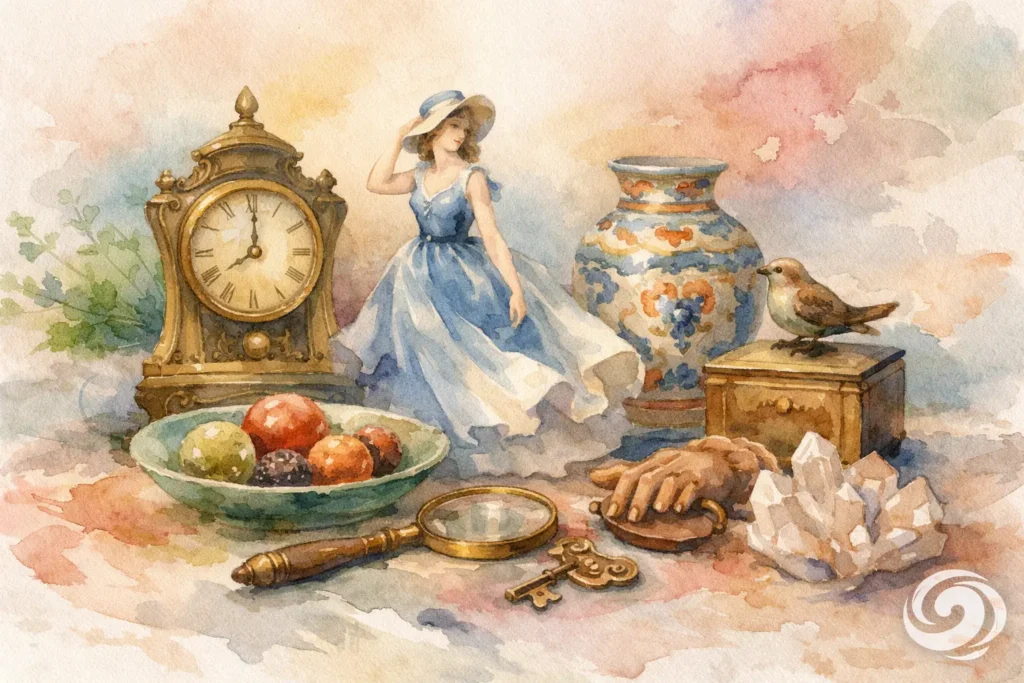
Some homes tell you exactly who lives there within about ten seconds. A Harry Potter mug on the shelf, a gothic candle holder on the mantel, a Lord of the Rings trinket dish by the door – these little details do more than fill space. Our sister site has some fantastic Collectable home accessories which turn a room into something personal, playful and unmistakably yours.
That is exactly why they appeal to so many gift buyers and collectors. They sit in the sweet spot between décor and self-expression. Unlike larger furniture pieces, they are easy to add, easy to swap around, and often much more fun to choose. If you love a home that feels themed, story-rich or just a little less ordinary, collectable pieces make that possible without needing a full redecoration.
Why collectable home accessories feel more personal
The best collectable home accessories are not just there to match the curtains. They carry a mood, a reference or a memory. That might mean a licensed item from a favourite franchise, a magical oil burner that adds atmosphere to a room, or an alternative tableware piece that makes everyday routines feel more interesting.
Collectability adds another layer. A standard decorative item is simply nice to look at. A collectable item feels chosen. It often has a recognisable theme, a limited-look appeal or a connection to a wider world that fans already love. For some people, that world is fantasy. For others, it is classic rock, cult television, gothic style or Halloween-inspired décor that stays out long after October has gone.
This is also why collectable accessories make such strong gifts. They do not feel generic. A character mug, decorative figurine or themed incense burner can say, quite clearly, I know what you are into, and I did not pick this in a rush from a bland gift aisle.
The kinds of collectable home accessories people actually display
Not every collectable ends up hidden in a cupboard. The most successful pieces are the ones that work naturally in day-to-day spaces. They have enough personality to stand out, but they still fit into the rhythm of the home.
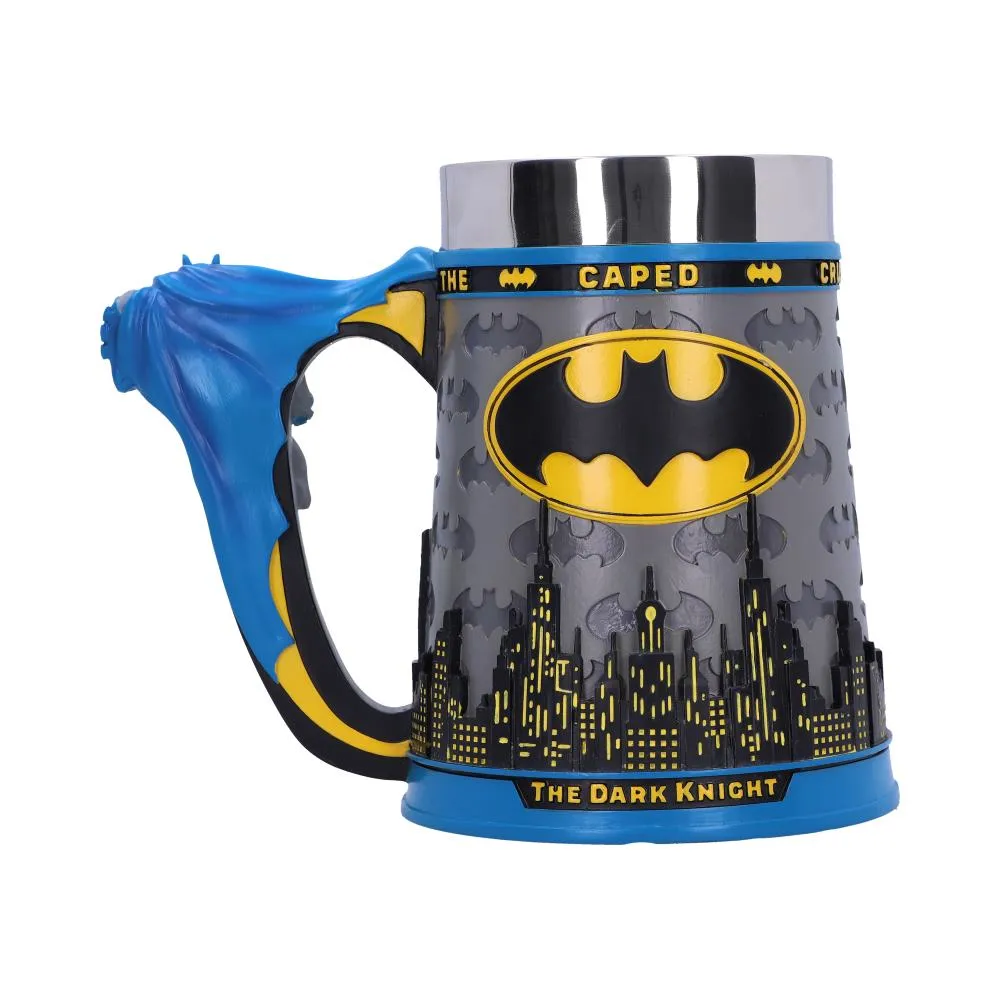
Mugs, cups and drinkware
This is one of the easiest places to start. Collectable mugs and cups are practical, displayable and often affordable enough to build into a themed set over time. They also suit almost any gifting occasion, from birthdays to stocking fillers. For fandom lovers, they offer a simple way to bring a favourite universe into the kitchen or home office without committing to a whole room theme.
Candles, oil burners and incense holders
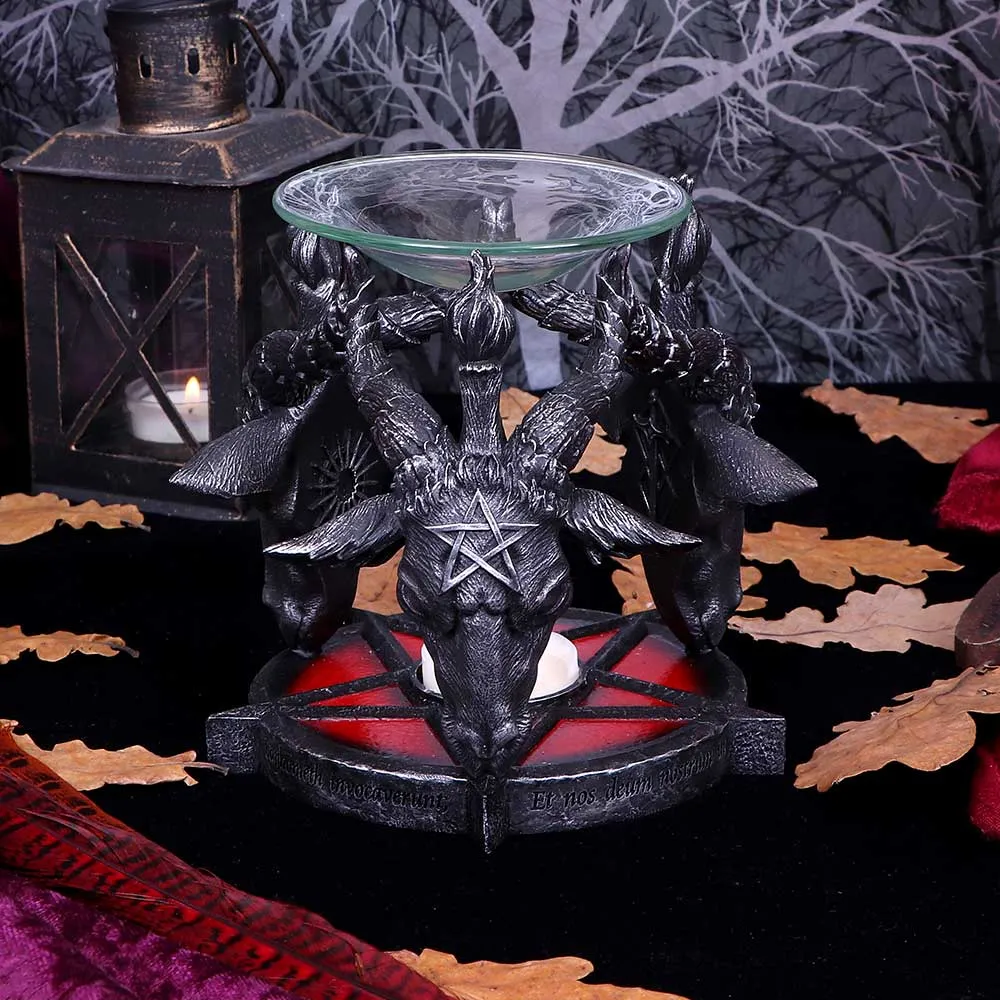
These pieces work especially well for shoppers drawn to magical, gothic or alternative interiors. They add function as well as style, and they help create atmosphere quickly. A well-chosen burner or candle holder can shift the feel of a room in the evening far more than a purely decorative ornament.
Figurines and display pieces
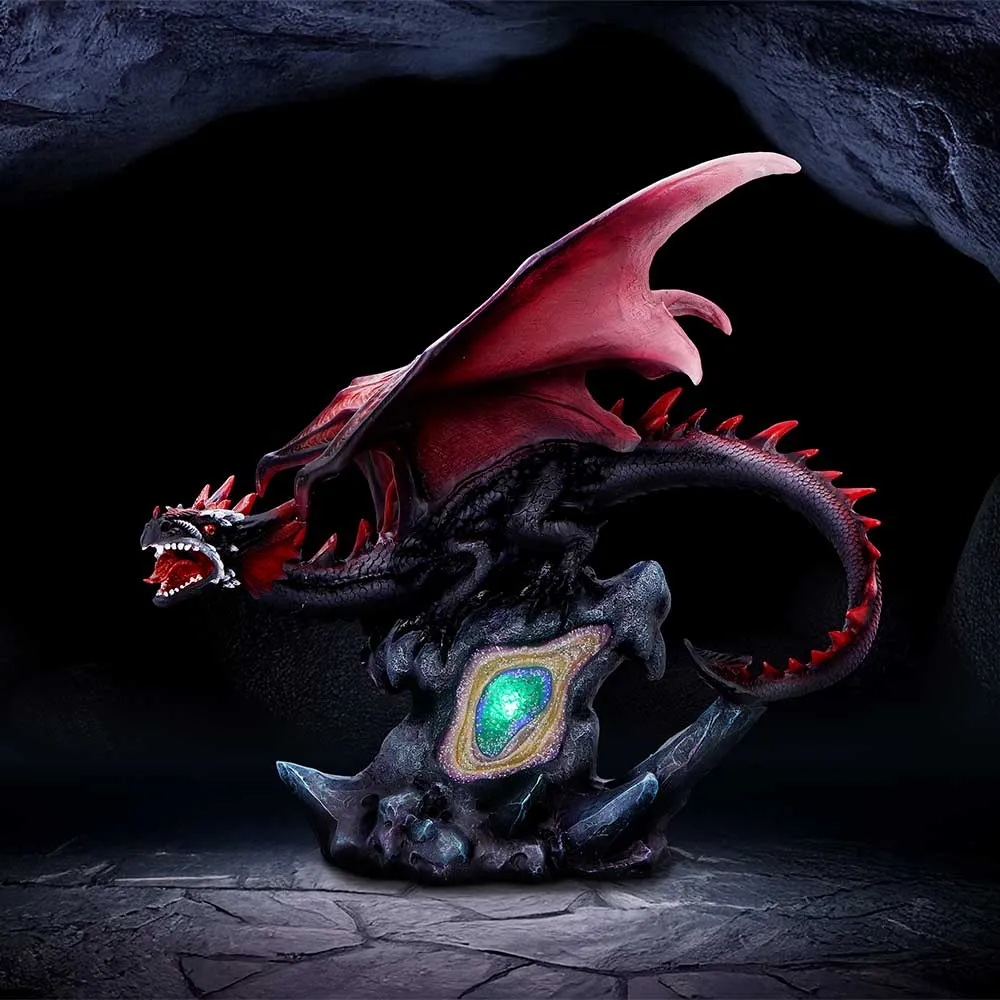
For collectors, this is where the fun really begins. Character-led figurines, licensed display items and small statement ornaments are ideal for shelves, desks and side tables. They can anchor a themed corner of a room or sit alongside books, framed prints and plants without looking forced.
Tableware with personality
Alternative tableware has a special kind of appeal because it turns everyday use into part of the aesthetic. A striking plate, goblet or snack bowl can be a conversation piece when guests are over, but it is just as satisfying when you are using it for an ordinary night in. Practical does not have to mean plain.
Collectable home accessories for different styles
One of the biggest strengths of this category is its range. Collectable does not mean one look. It means finding pieces that suit your version of home.
For fandom-focused interiors, officially licensed products are often the starting point. These give fans a way to bring favourite stories into their space without relying on posters alone. A subtle Game of Thrones ornament or a Stranger Things mug can feel more grown-up and integrated than a full themed bedroom, especially for adult collectors who want a nod to their interests rather than wall-to-wall branding.
For gothic and alternative homes, darker tones, unusual textures and ritual-inspired shapes tend to have stronger appeal. Think candle holders with dramatic silhouettes, incense burners that feel slightly mystical, or decorative pieces that lean into ravens, moons, skulls or woodland magic. These accessories add mood without needing a complete overhaul of the room.
For shoppers who love seasonal styling, Halloween pieces often have year-round potential. The trick is choosing items with enough character to work beyond one month of the year. Pumpkin designs can feel very October-specific, while black cats, potion-inspired vessels and eerie candle décor often stay relevant much longer.
For gift buyers, a collectable accessory works best when it is specific but still usable. If you know someone loves Lord of the Rings, a themed homeware piece can feel spot on. If you know they like witchy décor but not a particular franchise, a magical accessory may be a safer choice than licensed merchandise.
How to choose collectable home accessories well
A good collectable piece should feel exciting at first glance, but there is usually a bit more to it than that. The strongest choices balance personal taste, display potential and quality.
Start with the room it is going into. Kitchens and desks suit practical items like mugs, cups and organisers. Living rooms and bedrooms often suit candles, figurines and decorative display pieces. Hallways can work brilliantly for smaller accent items such as trays, bowls or statement ornaments that set the tone as soon as someone walks in.
Then think about whether the item is part of a theme or meant to stand alone. Some shoppers want one standout piece. Others are building a collection around a franchise, aesthetic or colour palette. Neither approach is better, but they do shape what makes sense to buy next. A dramatic gothic burner may be perfect as a one-off statement, while licensed items often become more satisfying when grouped with similar pieces.
There is also the question of subtle versus bold. Some collectable home accessories are designed to be unmistakable, especially character-led pieces. Others take a quieter route, using symbols, colours or shapes that fans will recognise without the item shouting for attention. If you are buying for someone else, subtle is often the safer bet unless you know they love a full themed display.
Why licensed and themed pieces hold such appeal
There is a reason fandom merchandise works so well in the home. It brings emotion with it. A well-made licensed accessory is not just décor. It taps into nostalgia, favourite scenes, characters and years spent loving a story. That makes it feel more meaningful than a purely decorative object from a generic homeware range.
The same goes for themed alternative pieces. A moon-shaped oil burner or gothic table accessory might not come from a specific franchise, but it still speaks to identity. It tells visitors something about your taste without needing explanation.
This is where careful curation matters. A scattered mix of random novelty items can quickly feel cluttered. A thoughtfully chosen selection feels expressive. That difference often comes down to buying pieces with a clear point of view rather than grabbing whatever is cheapest or loudest.
Collectable home accessories as gifts
These pieces are especially useful when you want a present to feel considered without becoming overly formal. They suit birthdays, housewarmings, Christmas and those in-between occasions when flowers feel forgettable and standard gift sets feel impersonal.
The best giftable accessories tend to hit one of three notes. They reflect a favourite fandom, match a recognisable aesthetic, or add charm to an everyday habit. That could mean a character mug for a tea drinker, a decorative burner for someone who loves cosy evening rituals, or an unusual tabletop piece for a friend whose whole home already looks like a curated set.
This is also why specialist retailers stand out in the category. A curated range is simply easier to shop than a massive catalogue padded with generic stock. When the selection already leans towards licensed collectables, magical décor and alternative homeware, it is much quicker to spot something that actually feels right. That is part of the appeal behind shops like The Hidden Hatch – the sense that the fun finds have already been filtered for personality.
Building a home with more story in it
Collecting for the home does not need to be expensive, and it does not need to happen all at once. Often the best spaces build gradually, one object at a time. A new mug here, a display figure there, a candle holder that somehow ties the whole shelf together. Over time, those choices create a home that looks less showroom and more like an extension of the person living in it.
If there is a trade-off, it is that collectable décor works best with a bit of restraint. Too many competing themes can muddy the effect. But when the pieces share a mood, a fandom thread or a clear sense of taste, they do something flat-pack décor rarely manages. They make the room feel lived in, loved and memorable.
The best collectable home accessories are not just there to fill a shelf. They give your space a point of view, and that is what makes people notice them.
When you start hunting for collectable home accessories, you are shifting away from mass-produced, copy-paste decor and leaning into pieces that have character, history, or investment value. Right now, interior design trends are completely rejecting sterile minimalism in favor of “intentional clutter”—curating homes that feel lived-in, layered, and deeply personal.
Here is a buyer-focused QandA to help you navigate the market, followed by an ultimate collector’s reference table.
Collecting with Confidence
Q: What actually makes a home accessory “collectable” versus just ordinary decor?
A: It usually comes down to three things: scarcity, craftsmanship, and narrative. Mass-market decor is made by the millions, losing its value the second you leave the store. A collectable piece usually has a limited production run, features distinct hand-craftsmanship (like hand-blown glass or hand-painted ceramics), or carries historical weight (like mid-century modern originals). Collectables tend to hold or increase their value over time because people actively hunt for them.
Q: I’m decorating on a budget. Can I still collect high-quality home accessories?
A: Absolutely. You don’t need to start with four-figure Italian lighting. Brands like Bermuda-era Avon pottery, vintage Lenox porcelain, or mid-century Napcowares are highly accessible, often hidden in plain sight at thrift stores and online auctions for very little money. The trick is to pick a specific niche—like colored vintage glassware or 1970s brutalist brass candlesticks—and build your collection slowly.
Q: How do I style collectables without making my house look like an antique shop or a messy flea market?
A: The secret is curation and anchoring. Instead of scattering small items randomly across every surface, group them together using the “rule of threes” or organize them visually on a decorative tray or a single dedicated shelf. Mix textures—place a sleek, contemporary translucent resin sculpture next to a rustic, rough-textured ceramic jug. This creates contrast and makes the display look like an art gallery rather than accidental clutter.
Q: What are the biggest “hype” pieces that collectors are hunting for right now?
A: Cozy nostalgia and quirky, sculptural shapes are dominating the market. For instance, nostalgic kitchenware like the viral Lenox Spice Village sets are incredibly sought after. On the modern side, 1960s-era mushroom lamps, Murano glass clowns, and whimsical “cabbageware” from legacy brands like Bordallo Pinheiro are seeing a massive resurgence.
The Buyer’s Guide to Collectable Home Accessories
The table below breaks down the major categories of collectable accessories, what to look for when buying, and the iconic names to keep on your radar.
| Category | What Makes It Collectable | What to Inspect Before Buying | Iconic Brands / Designers to Hunt |
| Artisan Ceramics and Pottery | Hand-thrown techniques, unique glazes, and whimsical, heritage, or organic shapes. | Check the base for stamped makers’ marks, artist signatures, or country of origin tags. Look out for hairline cracks. | Bordallo Pinheiro (famous for cabbageware), Mottahedeh, Wedgwood, Pfaltzgraff. |
| Art Glass and Barware | Vibrancy of color, clarity, unique light refraction, and hand-blown indicators (like pontil marks). | Feel for flea bites (tiny chips on the edges) and internal cracking. Avoid pieces cloudy from machine washing. | Blenko Glass, Murano, Fenton Art Glass, Georges Briard (patterned mid-century glassware). |
| Sculptural and Accent Lighting | Innovative use of materials (brass, chrome, translucent resins) that double as standalone art. | Check if the wiring is original (may need rewiring for safety) and ensure structural materials aren’t pitted. | Stilnovo, Maison Baguès, Mazzega (glass lamps), vintage Pixar-style task lamps. |
| Small Functional Antiques | Materials that develop a rich patina over time, such as heavy brass, cast iron, and rich burl woods. | Ensure hinges, latches, or drawers function. Beware of modern replicas made to look artificially aged. | Tiffany and Co. (vintage silver), Rejuvenation (restored hardware), antique French Travel Trunks. |
Buyer’s Tip: When shopping online or at vintage markets, always use your phone to reverse-image search an item’s base or maker’s mark. It takes ten seconds and can instantly save you from overpaying for a modern reproduction!