
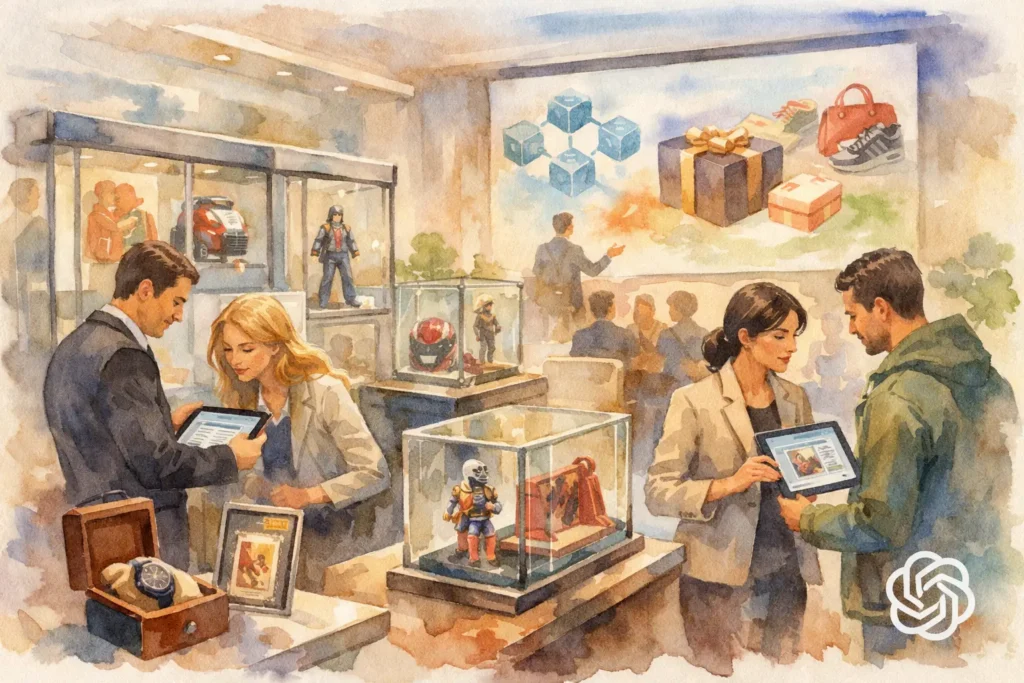
A shelf full of fandom pieces used to tell a fairly simple story – you liked a franchise, you bought the mug, the figurine, perhaps the tin sign, and that was that. The future of licensed collectables looks far more personal than that. Fans still want officially licensed pieces from the worlds they love, but they are becoming more selective, more style-conscious, and much more interested in items that feel worth displaying, gifting, and keeping.
That shift matters because licensed collectables are no longer living only in the realm of the dedicated superfan. They now sit comfortably in kitchens, home offices, reading nooks, gaming corners, and seasonal displays. A Harry Potter mug, a Lord of the Rings ornament, or a Stranger Things home accessory is not just merchandise. For many shoppers, it is part of their décor, part of their identity, and often part of how they choose a gift that feels more thoughtful than generic high street stock.
Why the future of licensed collectables is changing
The biggest change is not simply what people buy, but why they buy it. Collectors still care about rarity, official licensing, and recognisable franchises, yet plenty of customers are shopping with a different question in mind: does this feel like me, or like the person I am buying for?
That makes curation far more important than sheer volume. A giant catalogue of random products can feel forgettable. A tighter range with real character feels easier to shop and much more memorable. For fans, that means fewer throwaway items and more pieces with display value, strong artwork, or practical use. For gift buyers, it means licensed collectables have become a shortcut to finding something with instant personality.
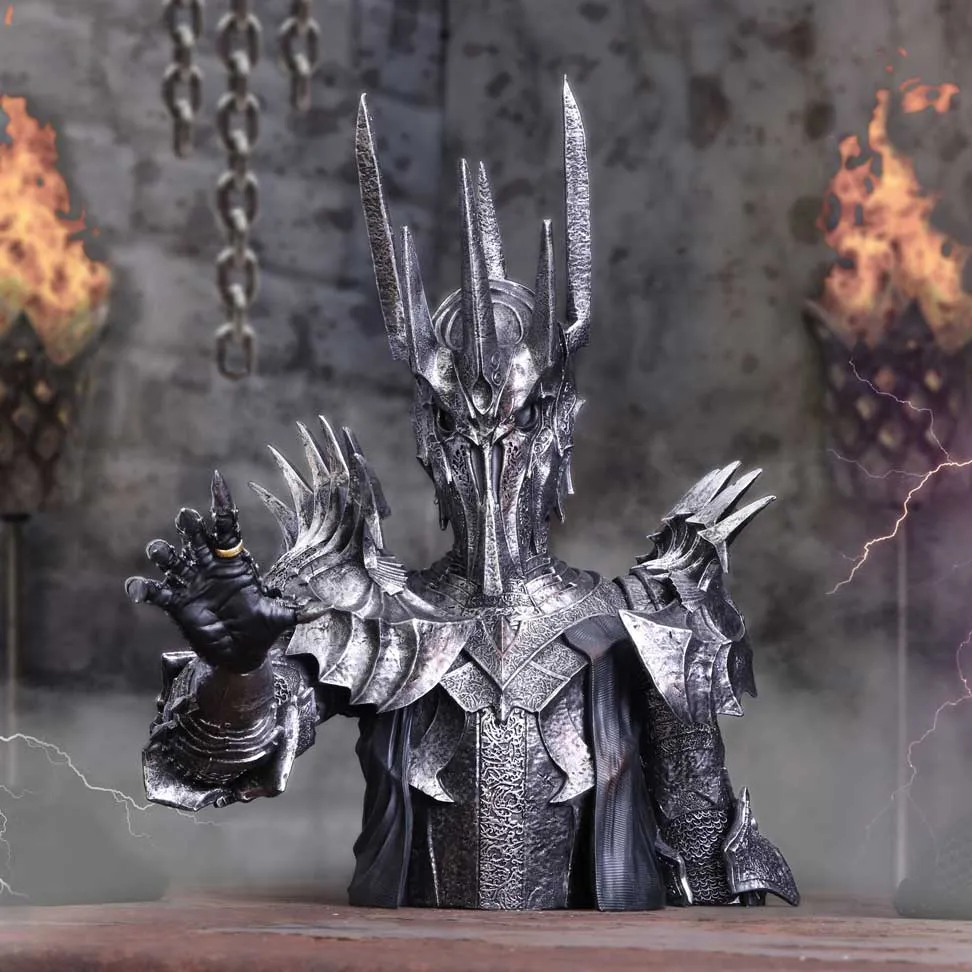
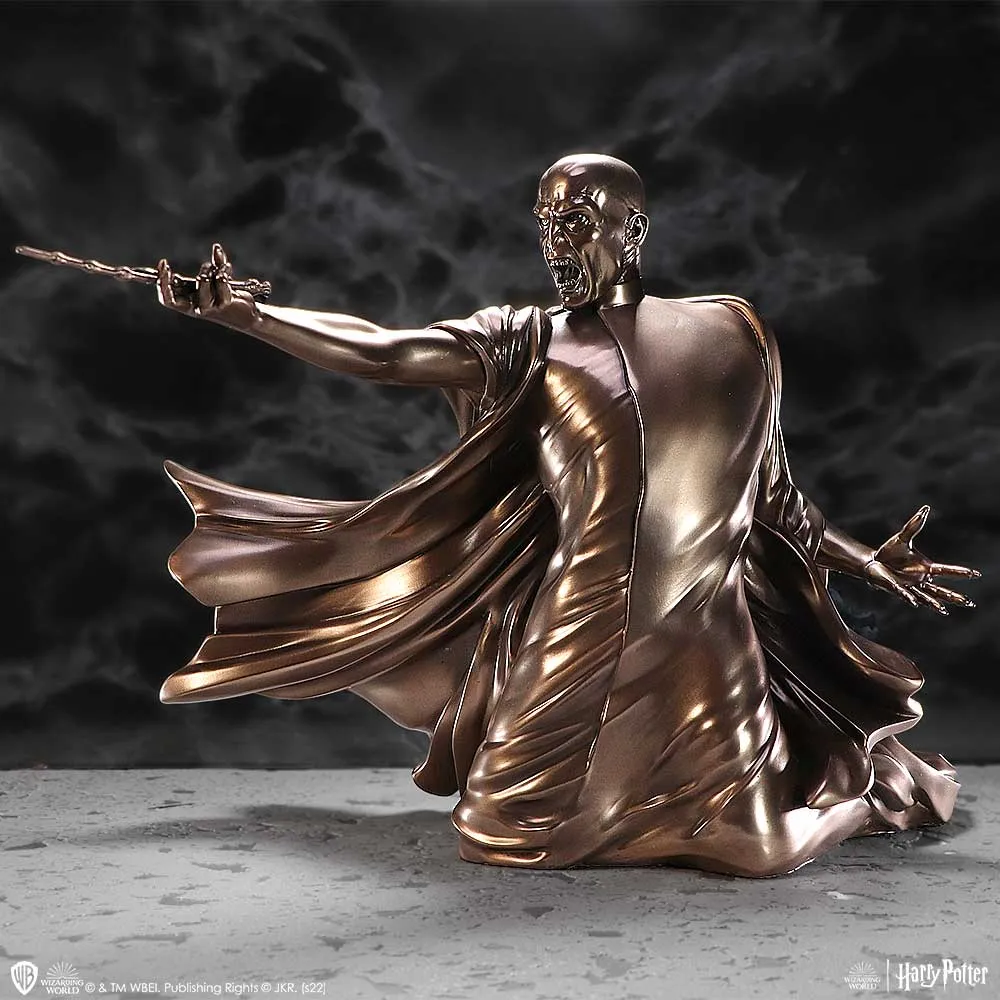
There is also a visual shift happening. Fans increasingly want items that nod to a franchise without looking childish or cluttered. Some will always love bold logos and bright statement pieces, and rightly so. Others want collectables that blend into gothic interiors, magical corners, darker aesthetics, or cosy pop culture spaces. That is one reason themed candles, decorative mugs, alternative tableware, and home accessories work so well beside more traditional figures and ornaments. They feel collectable without feeling one-note.
Fans want licensed pieces with more personality
For years, the licensed space often leaned heavily on obvious product formats. There is still a place for those classics, especially where nostalgia is strong, but the next wave is about character-led design rather than just logo placement.
A collectable now has to do a bit more. It might need to look striking on a shelf, feel suitable for gifting, or fit naturally into a room with a strong personal style. This is especially true for shoppers who move between fandoms and aesthetics rather than staying inside one neat category. Someone who loves Game of Thrones might also want gothic homeware. A Lord of the Rings fan may also be shopping for autumn décor, candles, or magical gifts. The lines are blurrier than they used to be, and that is good news for more imaginative licensed ranges.
That crossover appeal will shape the future of licensed collectables more than many brands expect. The winners are likely to be products that sit comfortably in both fandom culture and lifestyle shopping. If a piece can please a collector and still make sense as a distinctive present, it has a much longer life in the basket.
Smaller drops, better design, less filler
One of the most likely directions for the category is a move away from endless sameness. Fans are already good at spotting when a licence has been stretched too thin. If every franchise receives the exact same formats with swapped artwork, the magic goes quickly.
Smaller, better-considered releases tend to create more excitement. They feel chosen rather than churned out. That does not always mean expensive or ultra-limited. Sometimes it simply means a product has had more thought put into its shape, finish, packaging, or how it fits the mood of the franchise.
There is a trade-off here, of course. Broader ranges make it easier to offer lower price points and something for everyone. Tighter curation can mean certain fans miss out on very niche corners of a licence. Still, from a shopper’s point of view, a collection of well-picked items often feels more special than pages of near-identical stock.
This is where specialist retailers can stand out. A curated mix feels less like a warehouse and more like a discovery. That matters when customers are not only collecting for themselves but also hunting for a present that says, I know exactly what you are into.
The practical collectable is here to stay
Not every fan wants another purely decorative piece. Some do, and some collections are built on display alone, but practical collectables are becoming more important. Mugs, notebooks, storage tins, candles, tableware, and home fragrance all offer a nice middle ground between fandom and everyday life.
They also solve a common gifting problem. When you know someone loves AC/DC or Harry Potter but do not know what they already own, a practical licensed item often feels safer and more useful than a shelf figure they may already have a version of. It still feels personal, but it earns its place quickly.
That does not mean traditional collectables are on the way out. Quite the opposite. It means the category is broadening. A modern collection might include figurines, yes, but also seasonal décor, kitchen pieces, stationery, and alternative accessories that build a whole atmosphere around a fandom rather than a single display shelf.
Nostalgia will keep driving demand, but not in the same way
Nostalgia is still one of the strongest forces in licensed retail, and it is not going anywhere. The difference is that shoppers are becoming more thoughtful about how they indulge it. Instead of buying anything tied to a beloved franchise, many now want pieces that feel durable, displayable, and worth revisiting.
That is partly about budget and partly about space. Most people do not have infinite room for collectables, especially if they enjoy several franchises at once. So the question becomes less, can I get this, and more, do I actually want this in my home?
For retailers and brands, that means nostalgia alone is not enough. The item still needs charm. It needs to suit modern interiors, gifting occasions, or personal aesthetics. A piece that captures the emotional pull of an older favourite while still feeling stylish has a much better chance of lasting beyond a quick impulse buy.
Official licensing will matter even more
As fans become pickier, official licensing becomes part of the appeal rather than just a technical detail. It signals quality, legitimacy, and a stronger connection to the franchise itself. That can be especially important when someone is buying a gift and wants confidence that the item feels authentic rather than like a generic imitation.
The future of licensed collectables is therefore not just about more products. It is about trust. Customers want to know they are getting something that respects the source material and looks the part. In a category built so heavily on emotion, that confidence matters.
It also helps separate genuinely collectable items from novelty clutter. Not every officially licensed product will become treasured, naturally. Some are still fun, light purchases. But the combination of licensing, strong design, and sensible curation gives an item a better chance of feeling like a keeper.
Shopping will feel more curated and theme-led
The way people shop for licensed collectables is changing alongside the products themselves. Increasingly, customers are not browsing one franchise in isolation. They are shopping by mood, occasion, and theme. Someone might be searching for a fantasy-inspired birthday gift, a gothic home accessory, a Halloween table piece, or a magical stocking filler, and then discovering a licensed item that fits perfectly.
That kind of shopping journey suits brands like The Hidden Hatch because it reflects how people actually buy gifts and collectables in real life. They are not always making a grand collector’s purchase. Sometimes they want one brilliant little find with character, story, and a touch of fandom recognition.
This wider context is good for the category. It allows licensed products to feel more integrated into everyday shopping habits rather than limited to convention culture or specialist collector circles. It also opens the door for customers who may not call themselves collectors, even though their shelves suggest otherwise.
What collectors and gift buyers should expect next
Expect more crossover between fandom and home style. Expect collectables that feel easier to display, easier to gift, and less reliant on loud branding alone. Expect a continued appetite for recognisable franchises, but also a sharper eye for design, usefulness, and mood.
There will always be room for big launches and statement pieces. There will also always be fans who want every variation of a beloved character. But for many shoppers, the future looks more selective and more expressive. Licensed collectables are becoming less about sheer accumulation and more about choosing pieces that mean something.
That is a healthier direction for the category. It gives fans better products to live with, not just buy. And for anyone searching for a gift with a bit more soul, it means the best licensed pieces will keep feeling less like merchandise and more like small treasures worth passing from basket to bookshelf.