
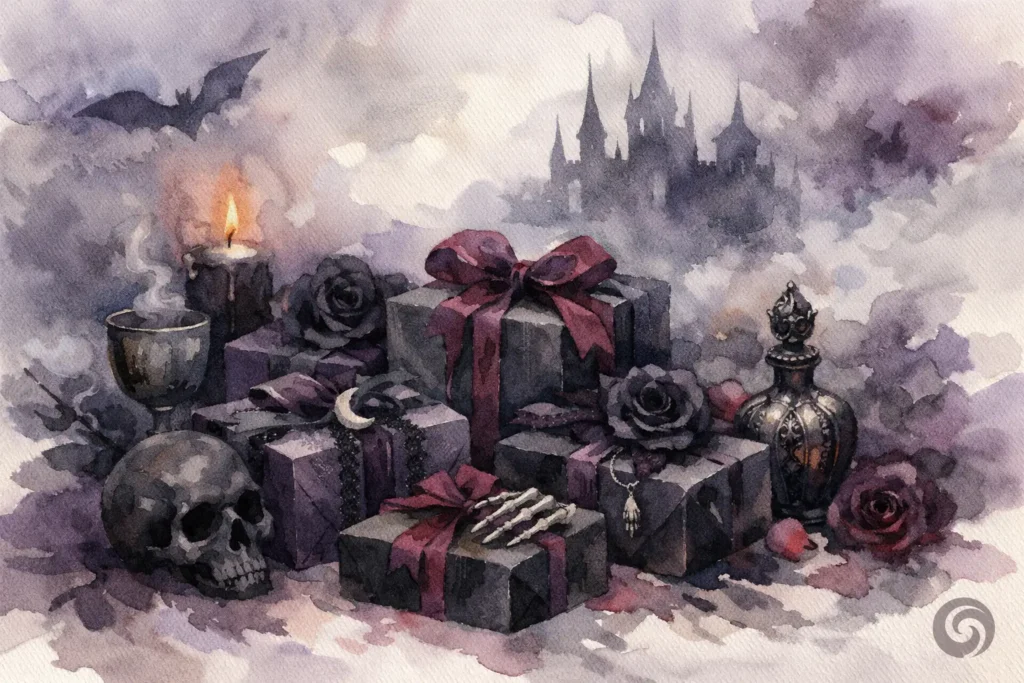
A black candle gift set used to feel like a niche find. Now, gothic gifting trends are showing up across birthdays, housewarmings, seasonal shopping and collector wish lists, with buyers looking for presents that feel darker, richer and far more personal than the usual safe options. The appeal is not just about black packaging or Halloween-adjacent novelty. It is about atmosphere, identity and gifts that actually look like they belong to the person receiving them.
That shift matters because gothic gifting has become broader without losing its character. It now sits comfortably alongside fandom collecting, magical home décor, incense rituals, alternative tableware and statement accessories. For shoppers, that means more choice. For gift buyers, it means you no longer have to choose between something unusual and something genuinely giftable.
Why gothic gifting trends are growing
The strongest reason is simple. People want gifts with personality. A generic mug from a supermarket shelf might do the job, but it rarely feels memorable. Gothic-inspired presents carry a stronger sense of taste, whether that comes through candlelight, occult motifs, ravens, moon phases, skull detailing or darkly romantic homeware.
There is also a clear overlap with other interests. Fans of fantasy, horror, witchy aesthetics and collectable culture often shop across categories rather than sticking to one identity label. Someone who loves Stranger Things or Harry Potter may also want incense burners, gothic décor, unusual stationery or a candle holder that looks like it belongs in an old manor house. The aesthetic is flexible, and that is part of its strength.
Social gifting habits have shifted too. Buyers increasingly want presents that photograph well, display well and feel curated rather than rushed. Gothic gifts do that particularly well because they often have stronger visual identity than mainstream seasonal stock. A well-chosen oil burner, goblet or decorative figure feels deliberate. It tells the recipient you know their taste.
The gothic gifting trends shaping what people buy
Home fragrance with a darker edge
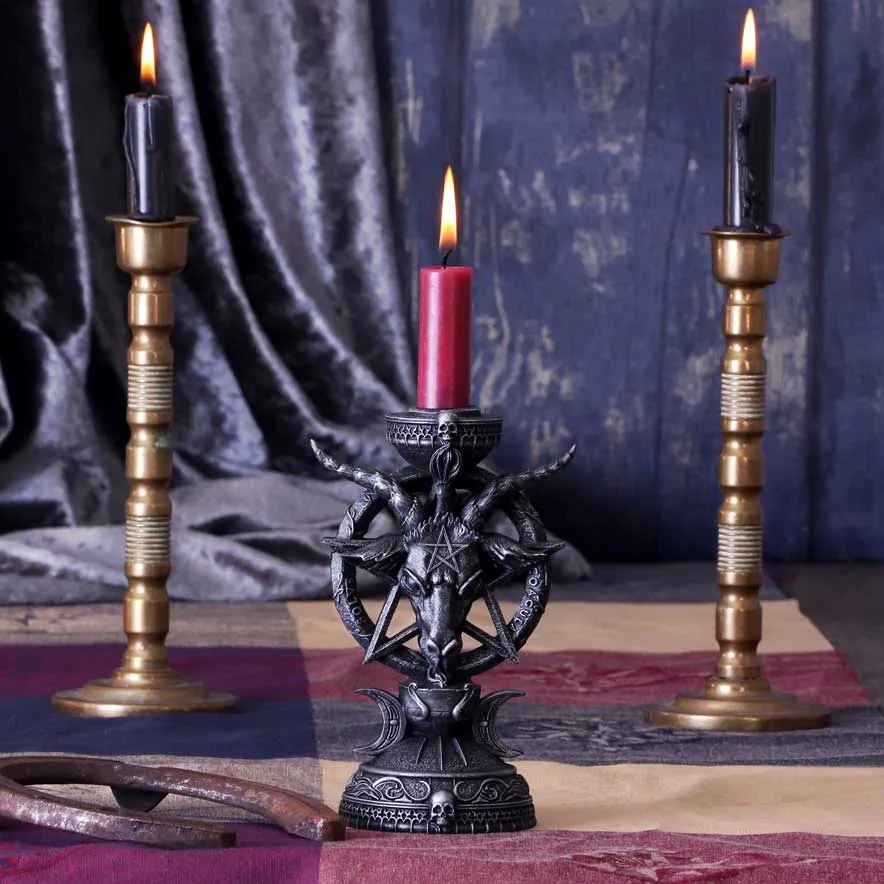
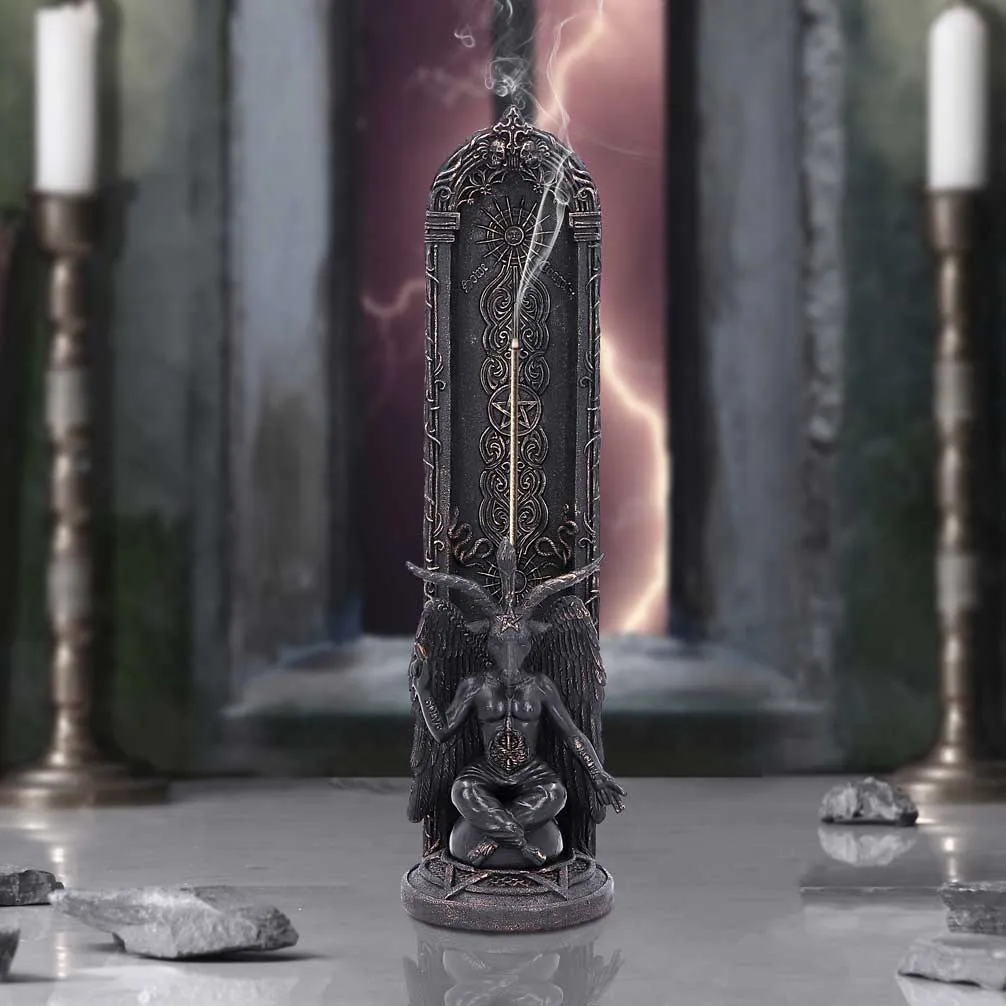
Candles, incense and oil burners continue to be some of the easiest entry points into gothic gifting. They are practical enough to suit everyday use, but atmospheric enough to feel special. Dark wax colours, celestial details, carved holders and occult-inspired shapes all tap into the look without becoming costume-like.
This category works especially well because it suits different budgets. A smaller incense accessory can be a thoughtful add-on gift, while a more decorative burner or candle arrangement can stand on its own. The trade-off is that scent is personal. If you are buying for someone whose preferences you do not know well, visual style may matter more than choosing a very bold fragrance.
Decorative pieces that feel collectable
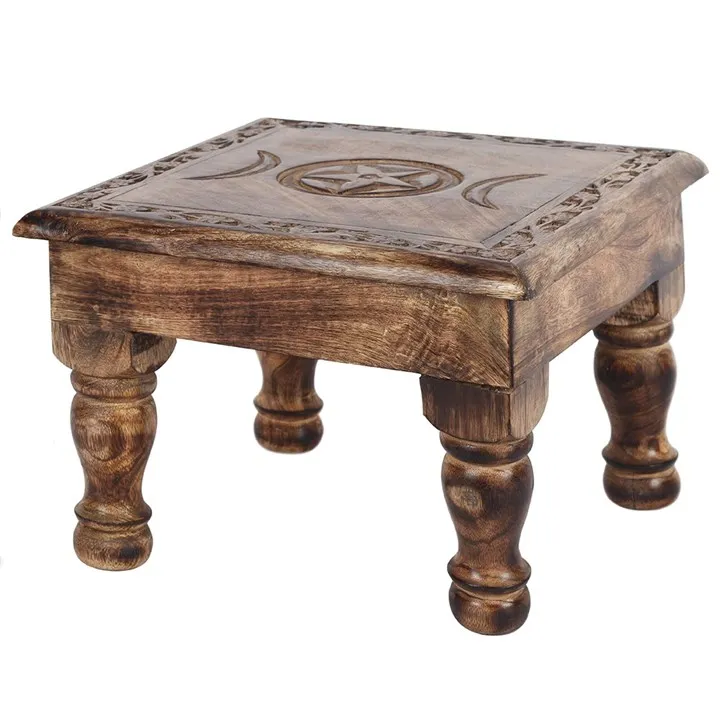
Gothic shoppers rarely want filler décor. They tend to prefer pieces with presence – something displayable, themed and a little conversation-starting. That might be a figurine, a raven-themed ornament, a skull-based design, a moonlit wall piece or alternative tableware that turns everyday use into part of the aesthetic.
This is where gifting overlaps with collecting. Buyers are not only looking for something attractive; they are looking for something that earns space on a shelf, desk or sideboard. A good gothic gift often feels discovered rather than mass-produced, even when it is officially licenced or widely recognisable.
Licenced fandom meets gothic style
One of the most interesting shifts is how often gothic taste crosses into licenced merchandise. Dark fantasy worlds, supernatural series and legendary rock iconography all sit naturally within this space. Gifts inspired by Game of Thrones, Lord of the Rings, Harry Potter or AC/DC can appeal to shoppers who want a present rooted in fandom but still aligned with a darker style.
That crossover is useful for gift buyers because it narrows the search. Instead of buying something generically gothic, you can choose something tied to a world the recipient already loves. The result usually feels more personal. It also helps if you are buying for someone who enjoys alternative aesthetics but is still particular about themes and symbols.
What makes a gothic gift feel current rather than cliché
Not every black item counts as a strong gothic present. The better end of the trend is less about gimmicks and more about thoughtful styling. Shoppers are responding to products that feel finished, displayable and character-led.
Texture matters more than people think. Matte ceramics, metallic details, glass elements, sculpted shapes and intricate patterns all give a gift more depth. The same goes for iconography. Crescent moons, potion motifs, ravens, cats, medieval references and Victorian-inspired details tend to have more staying power than novelty slogans or overly theatrical graphics.
There is also a growing preference for gifts that are useful as well as decorative. A gothic mug, journal, incense holder or trinket box works because it offers everyday value while still looking distinctive. That balance matters, especially when buying for adults who enjoy the aesthetic but do not necessarily want purely ornamental clutter.
How shoppers are using gothic gifting trends for different occasions
Birthdays remain the obvious fit, but gothic gifting is no longer limited to one-off novelty moments. Housewarming presents are a strong example. Alternative homeware, candles and décor pieces give people a way to shape a space that feels more like them from the start.
Autumn also gives the category a natural boost, though the best products work beyond Halloween. A skull-themed cup or celestial incense burner should feel at home in January as much as October. That year-round appeal is what separates a lasting gift from a seasonal impulse buy.
Christmas shopping is another moment where gothic style stands out. When every gift guide starts to look the same, darker aesthetics offer a way to buy something memorable without losing the festive spirit. For some recipients, a magical or gothic-themed collectable will always feel more exciting than traditional stocking filler.
Small gifts and stocking-sized finds
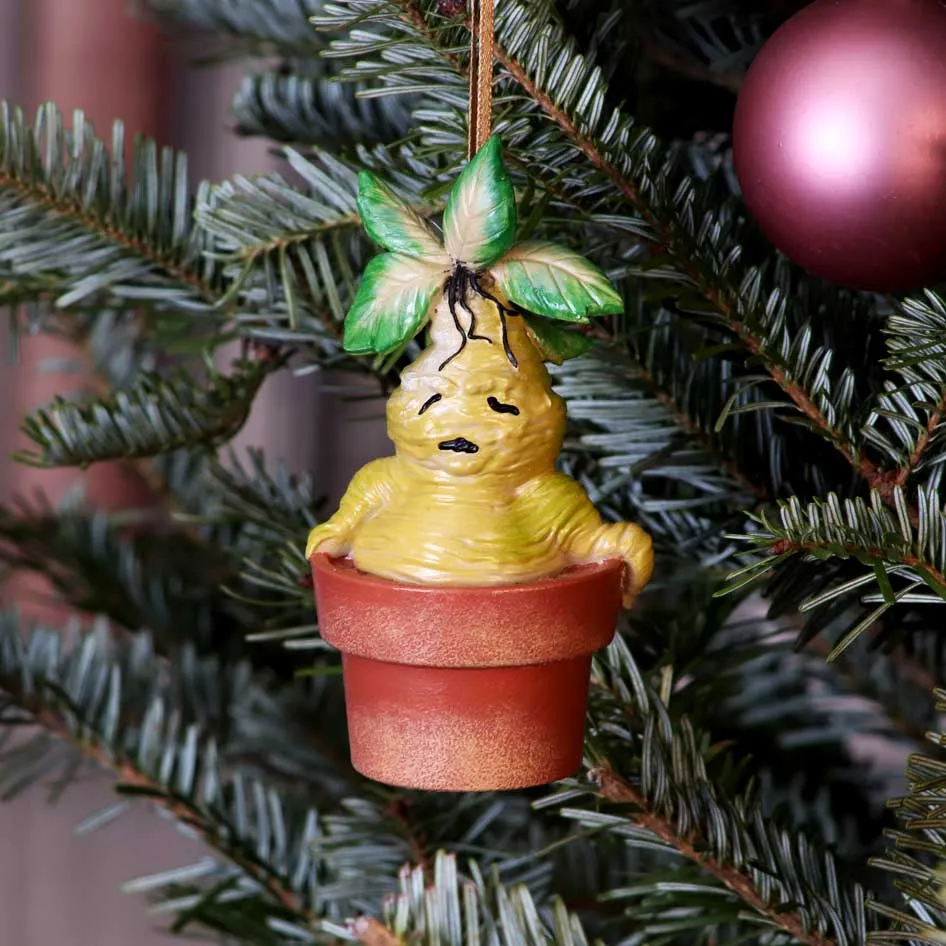
Not every purchase needs to be dramatic. One of the most useful gothic gifting trends is the rise of smaller items with strong visual appeal. Mini décor pieces, incense accessories, themed stationery and compact mugs can all work as affordable but still characterful presents.
These are especially good for younger shoppers, Secret Santa exchanges or add-on gifting. The key is making sure smaller does not mean forgettable. If it looks curated and specific, it still lands well.
Buying well within the trend
The easiest mistake is buying to the label rather than the person. Gothic style covers a lot of ground, from elegant and mystical to playful horror to rock-and-roll edge. Someone who loves celestial décor may not want overt skull motifs. Someone else might adore dark fantasy collectables but have no interest in witchy home fragrance.
That is why curation matters. A good gift choice usually sits at the overlap between aesthetic and lifestyle. Think about where the item will live, how the person decorates, and whether they are more likely to display, use or collect what you give them. If they are a long-term fan of a franchise, licenced merchandise with a gothic feel may be a safer bet than a generic alternative item. If they love home atmosphere, candles and burners may make more sense than figurines.
Price point plays a role too. More decorative or collectable pieces often feel more impressive, but practical items can be the better gift if you want something they will reach for often. Neither is automatically better. It depends on whether the recipient is more collector, homebody or fandom display enthusiast.
Why this category has staying power
Some trends fade as soon as the season changes. Gothic gifting has held on because it taps into something more stable than fashion alone. It connects with identity. It gives people a way to make their homes, desks and routines feel more expressive. It also works across age groups better than many niche categories, because the tone can shift from playful to refined depending on the product.
For retailers with a carefully chosen range, this creates a particularly strong gifting category. Shoppers do not want hundreds of lookalike products. They want a selection that feels edited, themed and a bit special. That is where specialist curation wins. A shop like The Hidden Hatch works best when it brings together gothic décor, magical gifting and licenced collectables in a way that helps people find the exact kind of unusual present they had in mind – or the one they did not know they were looking for.
The best gothic gifts are not trying too hard to be dark. They simply feel distinctive, well chosen and full of character, which is exactly what makes them worth giving.