
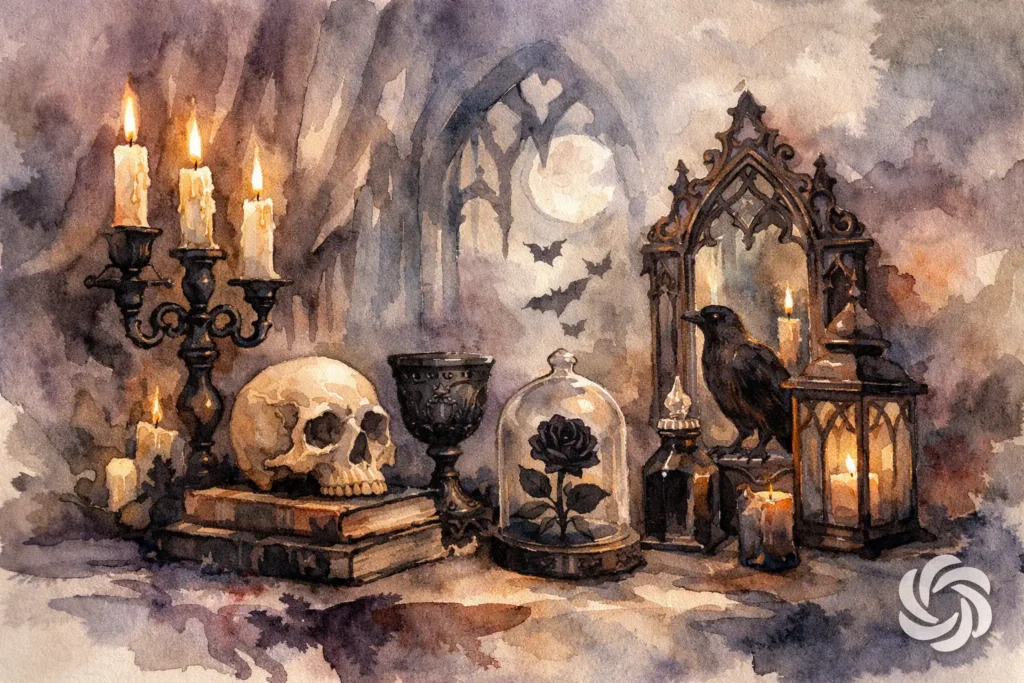
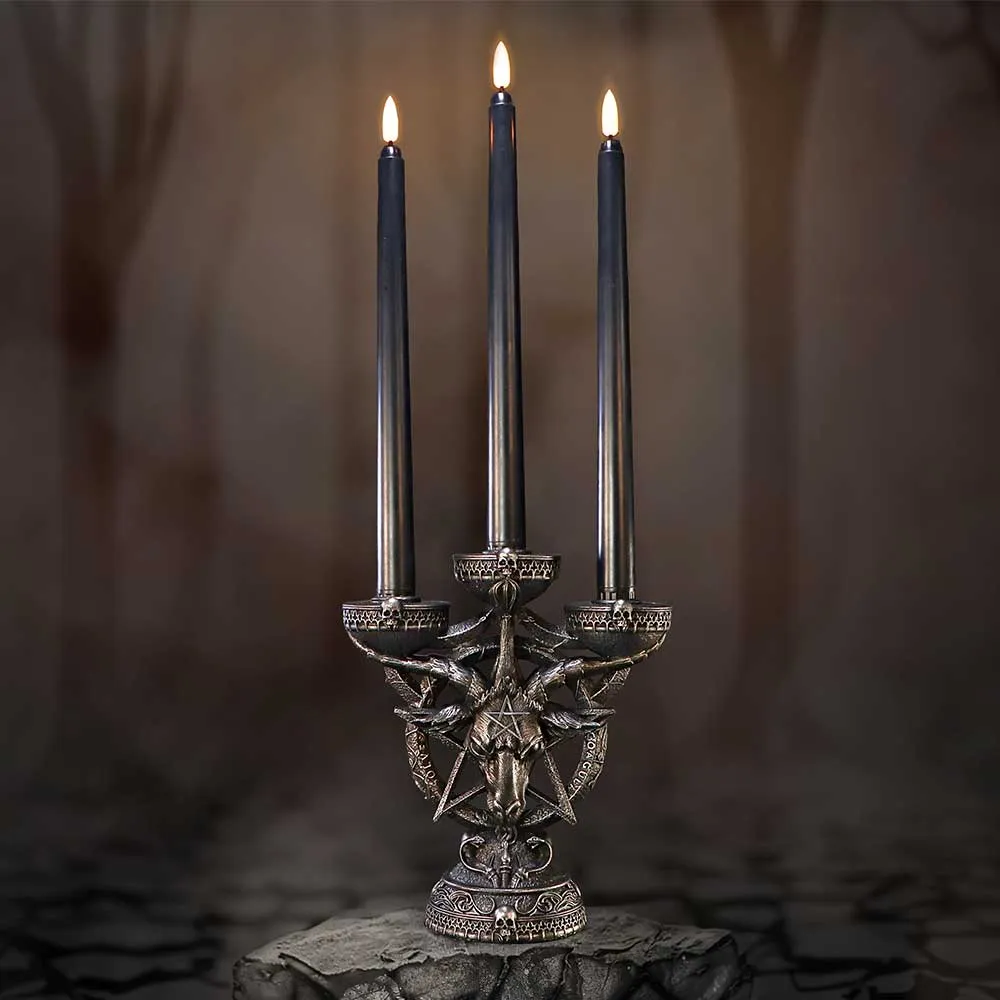
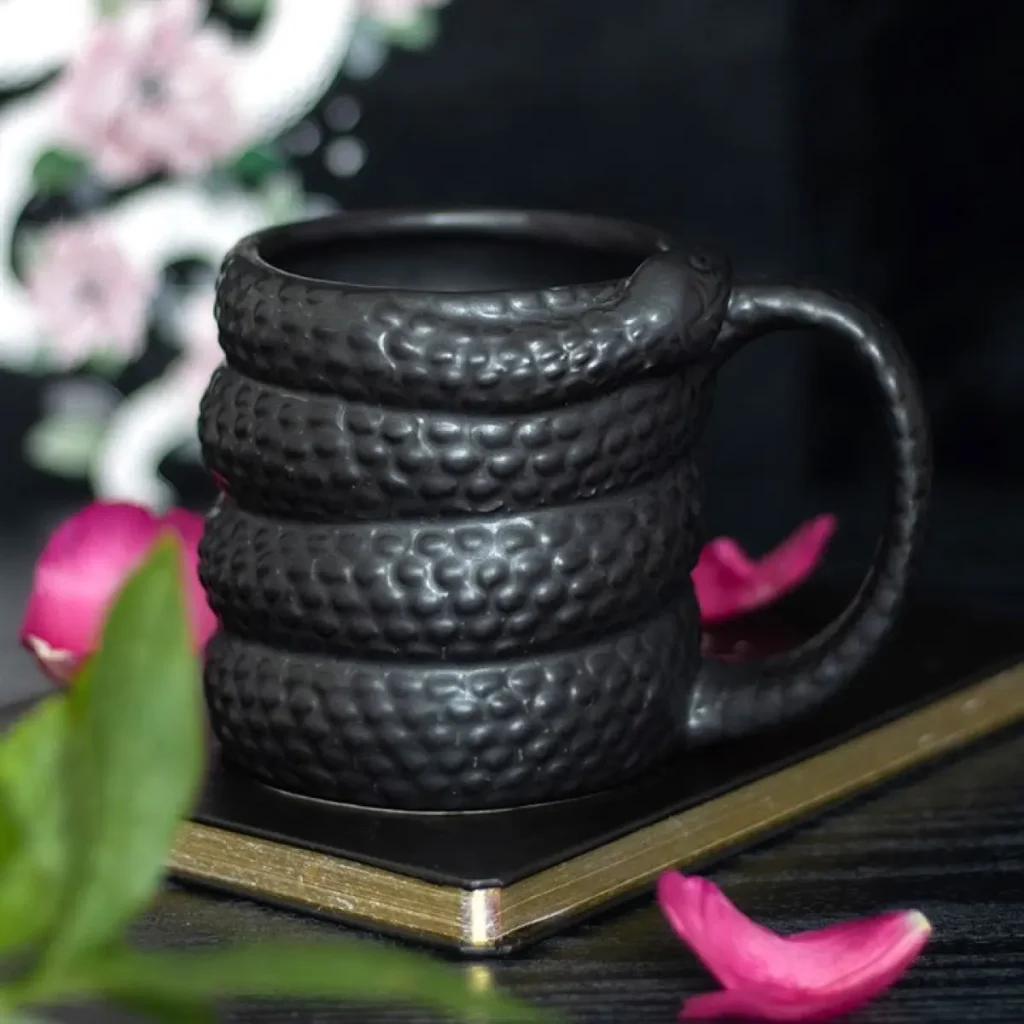
A black mug on an otherwise ordinary kitchen shelf can change the whole mood of the room. Add a raven-shaped trinket dish, a candle holder with cathedral detail or a richly illustrated incense burner, and the space starts to feel chosen rather than simply furnished. That is the appeal of gothic homeware: it gives everyday rituals a little more atmosphere.
This style is not limited to all-black interiors, Halloween parties or grand Victorian houses. The most compelling gothic pieces work in rented flats, cosy cottages, busy family kitchens and bedrooms filled with books, records and collectables. They bring in mystery, history and personality without asking you to redecorate from floor to ceiling.
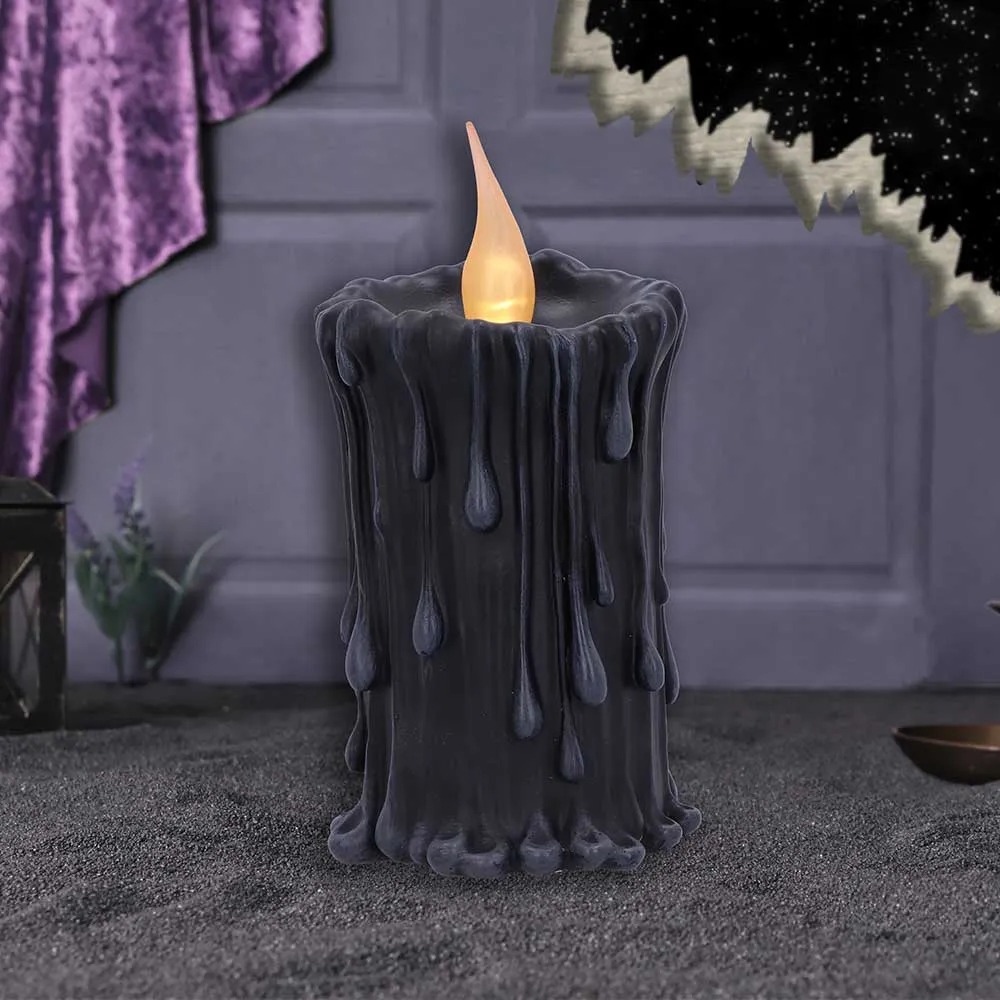
Gothic homeware is about atmosphere, not rules
Gothic style has room for plenty of interpretations. For some, it means ornate black décor, skull motifs and flickering candles. For others, it is moonlit magic, forest creatures, celestial symbols, ancient-looking finishes and a touch of witchy charm. There is also a strong overlap with fantasy and fandom, where dragon figures, medieval goblets and richly detailed wall art can feel right at home.
The thread tying it together is mood. Gothic décor tends to favour depth over minimalism and character over bland coordination. It makes a room feel collected, as though every object has a story behind it. A beautiful incense holder is more than a place for ash to fall. A darkly decorative mug makes a late-night tea feel like a proper ritual.
That does not mean every item needs to be dramatic. In fact, smaller pieces are often the easiest way to make the look feel natural. Start with objects you already use, then choose versions with a little more presence.
Start with the places you actually live in
The kitchen, desk and bedside table are excellent places for gothic touches because they are used every day. Mugs and cups are a particularly easy entry point: choose a design featuring ravens, moon phases, mystical illustrations or an unmistakable favourite character. They are useful, giftable and visible without overwhelming the room.
Tableware can take the same approach. A striking plate, goblet or serving dish becomes especially effective during film nights, autumn gatherings and Halloween hosting, but there is no reason to pack it away once October is over. Alternative tableware adds a sense of occasion to even the simplest snack.
For a desk or dressing table, look for a substantial pen holder, trinket dish, small figurine or decorative storage piece. These details do practical work while keeping cables, jewellery and loose bits from making the space feel cluttered. Gothic style can be ornate, but it still looks best when the surface beneath it has room to breathe.
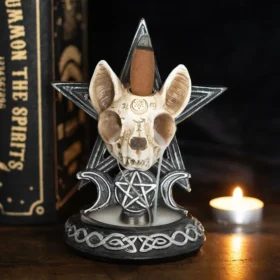
In a bedroom, candle holders, oil burners and softly coloured glass can create a calmer, more enclosed feel. Keep fire safety in mind: place candles and burners on a stable heat-resistant surface, away from curtains, bedding, pets and anything likely to be knocked. If open flames are not practical, a sculptural holder or atmospheric ornament still brings the same visual magic.
Build a gothic display with contrast
A common worry is that dark décor will make a room look gloomy. It can, if every finish is black, shiny and crowded together. Contrast is what gives gothic interiors their richness.
Pair darker pieces with warm wood, aged brass, deep green foliage, burgundy textiles or cream ceramics. A black candle holder has greater impact on a pale shelf; a detailed skull ornament can look wonderfully unexpected beside a stack of colourful novels. Even a compact space benefits from a few lighter surfaces that let the darker details stand out.
Texture matters too. Matte ceramics, distressed-effect finishes, velvet, carved wood and metallic accents all bring different qualities to the look. Mixing them prevents a display from feeling like it came from one set. The goal is a personal cabinet of curiosities, not a themed shop window.
There is a trade-off, of course. If your room is already filled with patterned wallpaper, framed prints and busy shelving, select simpler gothic pieces with a strong silhouette. If your home is pared back, a more elaborate oil burner, candle holder or statement ornament can carry the theme beautifully.
Choose one motif to lead the way
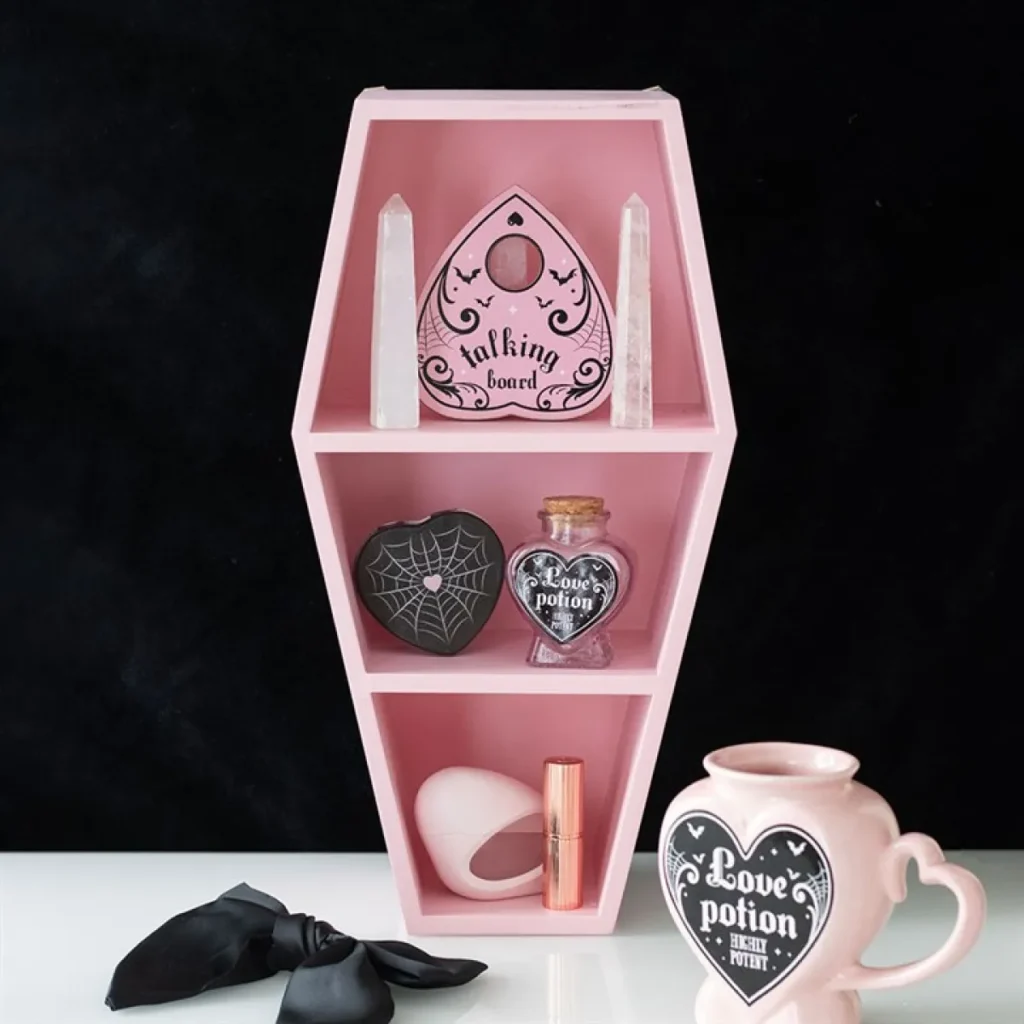
A little focus makes decorating easier. You might lean into celestial magic with moons, stars and sun symbols, or choose woodland gothic with ravens, mushrooms, bats and forest creatures. Traditional darker motifs such as skulls, roses and gothic arches create a more dramatic look, while dragons and fantasy-inspired décor suit collectors who want their home to echo the worlds they love.
You do not need to follow one motif forever. A black cat mug can sit happily beside a dragon ornament if the colours or finishes feel connected. Think of the motif as a starting point rather than a rulebook.
Let your fandom sit alongside the darker details
For many collectors, a home should show the stories that matter to them. Officially licensed pieces from fantasy, horror and cult entertainment can work surprisingly well with gothic styling, particularly when they share an old-world, magical or moody feel.
A Harry Potter-inspired item may suit a shelf of magical gifts and potion-like bottles. Game of Thrones and Lord of the Rings collectables naturally complement medieval tableware, dragon décor and dark wood finishes. Even an AC/DC mug or Stranger Things ornament can add a sharp pop of personality to a room that is otherwise filled with black, red and antique-inspired details.
The trick is to give collectables a proper setting. Rather than scattering them across every available surface, group a few together on a tray, in a display cabinet or on one dedicated shelf. Add height with books or small boxes, then leave some negative space around each item so the details can be seen. Collectables deserve to look treasured, not lost in the crowd.

Make it feel curated, not costume-like
The difference between a memorable room and a temporary theme is usually editing. Pick pieces because you genuinely enjoy them, not because they are all technically gothic. A single ornate incense burner that you use every week is more convincing than a dozen novelty ornaments that never quite find a home.
It also helps to avoid buying everything in one go. Let a room develop through gifts, seasonal finds and those little objects that make you stop scrolling. Over time, the mix of useful pieces, decorative treasures and fandom favourites becomes distinctly yours.
The Hidden Hatch’s kind of gothic and magical gift finds are ideal for this approach: small discoveries with enough character to stand alone, but enough theme to build into a larger collection. A thoughtful mug for a birthday, a candle holder for a housewarming or a mythical ornament for the friend with impossible-to-buy-for taste can all become part of someone’s everyday space.
Gothic homeware makes gifting more personal
Generic gifts are easy to wrap and easy to forget. A well-chosen gothic piece says that you noticed the recipient’s taste, whether they love witchy interiors, alternative décor, fantasy worlds or simply a good black cat illustration.
Practical items are often the safest option when you do not know their home well. A mug, stationery accessory, trinket dish or incense holder offers personality without demanding a full style commitment. For someone who already embraces the aesthetic, a larger statement piece or collectable can feel more special.
Consider how they spend their time. The tea drinker may appreciate a favourite new cup; the reader might love a dramatic bookmark or shelf decoration; the host may prefer unusual tableware. The best gothic gifts are not just dark for the sake of it. They fit naturally into a person’s rituals, hobbies and favourite corners.
Give your space a little darkness on purpose
There is no need to wait for autumn, a new flat or a complete redecorating plan. Choose one object that makes the room feel more like you, put it somewhere you will see it often, and let the rest grow from there. A home with character is rarely finished all at once – it is built from the things you are delighted to keep.
Gothic Homeware: Elevating Your Space with Dark Elegance
Gothic home decor is defined by a blend of Victorian drama, moody aesthetics, and architectural intrigue. It is not just about the color black; it is about creating an atmosphere that feels intentional, sophisticated, and slightly mysterious.
Curating a Gothic Interior
| Category | Key Elements | Impact |
| Lighting | Candelabras, velvet lampshades, antique brass | Sets a warm, dramatic, and moody ambiance. |
| Textiles | Heavy velvet, brocade, lace, faux fur | Adds depth, texture, and a sense of opulence. |
| Furniture | Ornate wood carvings, tufted upholstery, claw-foot pieces | Provides structural focal points with historical flair. |
| Decor/Accents | Mirrors with heavy frames, skulls, ravens, vintage portraits | Introduces the signature macabre storytelling. |
| Color Palette | Deep plums, emerald greens, charcoals, blood reds | Creates a grounded, sophisticated foundation. |
Frequently Asked Questions
How do I make a Gothic room feel cozy rather than cold?
The secret lies in layering textures. Avoid minimalist surfaces; instead, introduce plush velvet pillows, thick knit throws, and ornate rugs. Mixing metals like antique brass or silver against dark matte walls helps reflect light softly, preventing the room from feeling stark.
Can I incorporate Gothic elements into a modern home without a total renovation?
Absolutely. Start with “Gothic touches” rather than a full theme. Swap out modern hardware for vintage-style iron handles, add a singular statement piece like an ornate mirror or a dramatic candelabra, or introduce deep, moody accent pillows. You can easily balance a modern silhouette with these darker, character-rich accessories.
What is the best way to choose art for a Gothic-inspired space?
Look for pieces that evoke a sense of history or melancholy. This could include moody landscape photography, vintage anatomical sketches, oil-style portraits with ornate gilded frames, or botanical prints of “darker” flora. The key is the frame; an elaborate, heavy frame can make even a simple print feel distinctly Gothic.
Is Gothic decor only for large, Victorian-style homes?
Not at all. While high ceilings and crown molding complement the style, you can achieve the look in a smaller or contemporary space by focusing on color saturation and lighting. Using darker paint on a feature wall or focusing on high-impact accessories allows you to create a “Gothic nook” in any apartment or room size.