
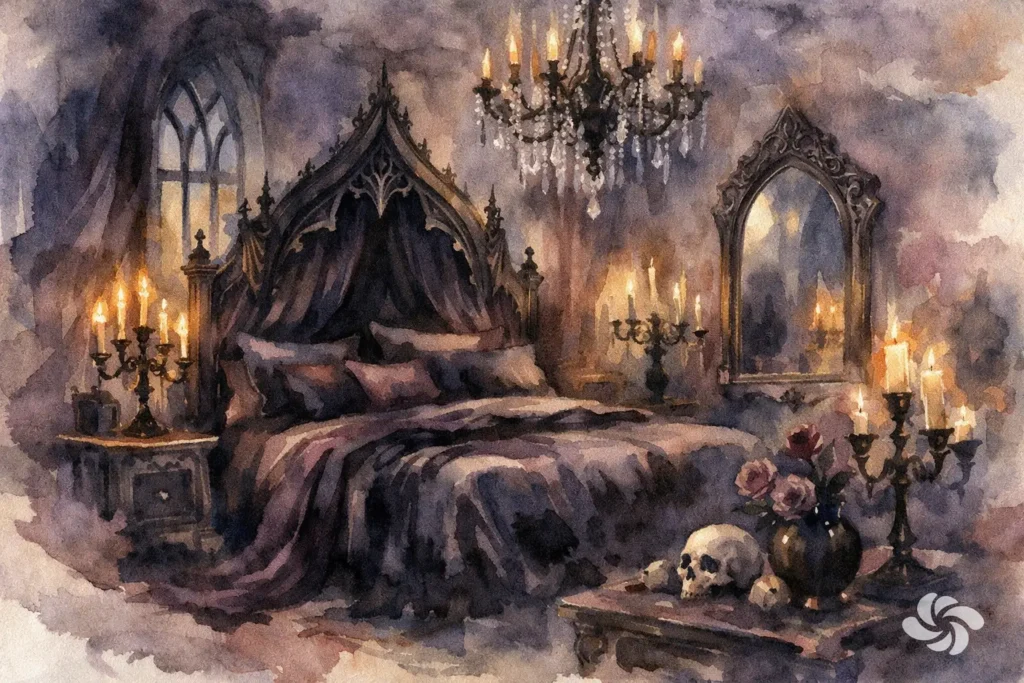
Black walls are not the whole story. A good gothic room makeover example feels layered, personal and a little theatrical, with just enough drama to turn an ordinary bedroom, reading nook or lounge corner into something that looks curated rather than costume-like. That is the difference between a space that feels richly atmospheric and one that feels as though Halloween never quite packed up.
For anyone drawn to candlelight glow, raven-black accents, old-world motifs and a touch of fantasy, gothic décor works best when it balances mood with comfort. You want a room that feels lived in, not a film set. The trick is choosing a few strong anchors, then building around them with texture, lighting and details that actually say something about you.
A gothic room makeover example that feels stylish, not stagey
Imagine a small UK bedroom with standard cream walls, pale carpet and basic furniture. Nothing wrong with it, but nothing memorable either. The makeover starts with one clear decision – this room is going moody, but still practical enough for everyday life.
The first change is colour. Instead of painting every wall pure black, one feature wall is finished in a deep charcoal or dark plum. That gives the room the gothic depth people love without making it feel smaller than it already is. The remaining walls stay softer, perhaps a smoky grey or warm off-black, so the contrast feels intentional.
Next comes the bed, because in most bedrooms it is the visual centre. Swap bright or plain bedding for layered textiles in black, burgundy or forest green. Velvet cushions, a heavy throw and darker sheets instantly shift the mood. This is where gothic styling gets its cosy side. Without texture, dark décor can look flat. With texture, it starts to feel luxurious.
Furniture is where the room gets character. If the existing pieces are simple, they can still work. A plain bedside table can be transformed with antique-look candle holders, a decorative trinket dish and a framed print with celestial, botanical or occult-inspired artwork. You do not need genuinely antique furniture to create the effect. In many cases, one or two ornate-looking pieces do more than a whole room of carved furniture ever could.
Lighting changes everything. The big ceiling light that makes the room feel like a dentist’s waiting area has to stop being the star. A table lamp with a warm bulb, a lantern-style light or even carefully placed LED candles creates a softer, more flattering atmosphere. Gothic interiors thrive in low, warm light. Bright white lighting will undo half your effort.

Start with mood, then add the story
The strongest gothic rooms do not rely on one note. They mix classic dark styling with personal obsessions, whether that means folklore, witchy details, Victorian romance or a favourite fantasy franchise. That is where the room stops looking generic.
If you love ravens, moons and apothecary-style details, build in those motifs through incense holders, mirrors, wall art and small decorative pieces. If your taste leans more towards fantasy and collectables, let that show. A dramatic shelf with carefully chosen pieces from beloved worlds can sit beautifully within a gothic setting, especially when the colours stay cohesive. A room can nod to Harry Potter or Game of Thrones without looking like a themed children’s bedroom. The key is restraint and placement.
Think of your room as a collection, not a pile. That matters more in gothic décor than people realise. The aesthetic welcomes abundance, but it still needs editing. A few standout items with presence will always look better than twenty bits competing for attention.
The easiest way to build a gothic room makeover example on a real budget
Not every makeover starts with repainting walls or replacing furniture. Sometimes the quickest change comes from accessories doing the heavy lifting.
Start with textiles. Curtains in a heavier fabric instantly make a room feel more dramatic, even if the walls stay neutral. A dark bedspread, black lace accents or a patterned rug can shift the entire tone of a space. If you rent or simply do not want to commit to decorating, this is usually the smartest route.
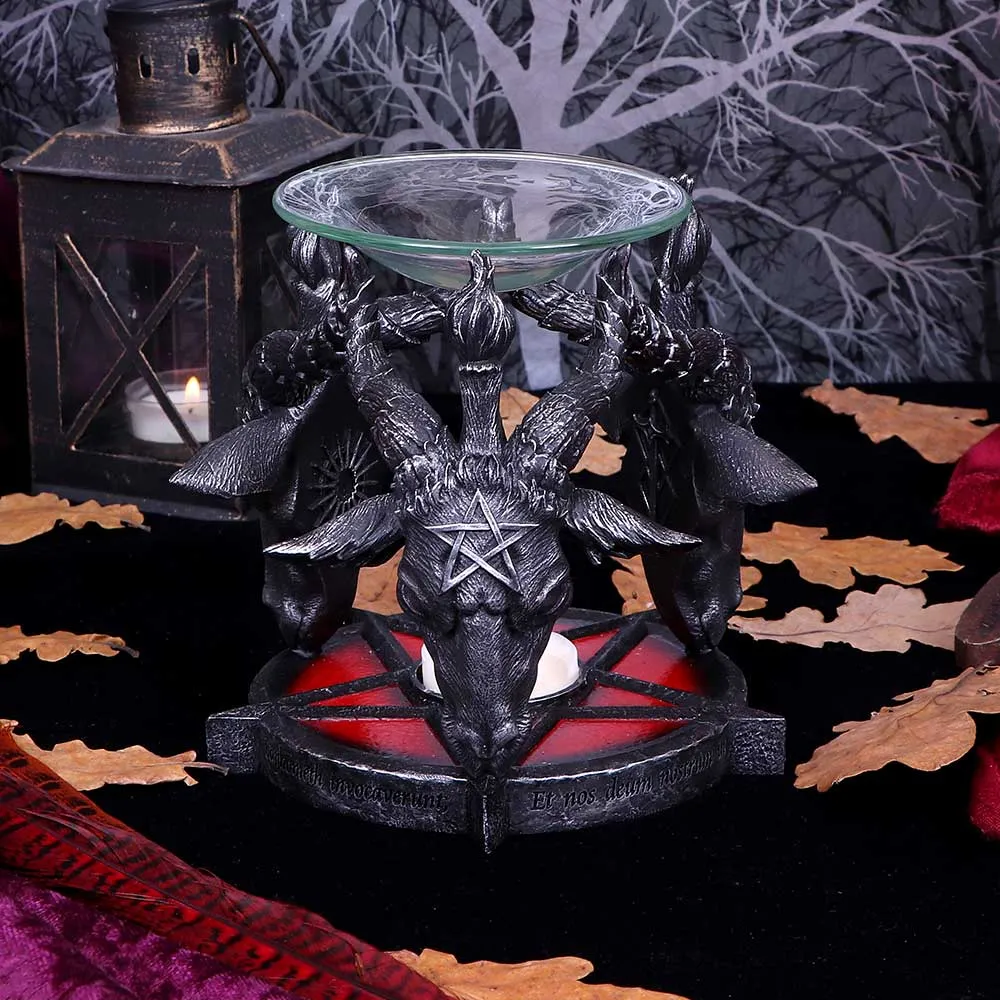
Then look at surface styling. A tray with candle holders, a stack of dark-covered books, a small skull ornament or ornate mirror, and a burner for incense or wax melts can make a plain dresser look deliberately gothic in minutes. These are the sorts of details that feel giftable too, which is part of their charm. They are small enough to swap in and out, but distinctive enough to change the room’s personality.
Wall décor is another high-impact move. Framed prints with celestial charts, botanical sketches, gothic typography or vintage-style imagery can make a neutral room feel transformed without major cost. If you prefer a cleaner look, one larger piece often works better than lots of tiny frames.
There is a trade-off here. The more decorative objects you bring in, the more dusting and upkeep the room requires. If you love the gothic look but hate clutter, choose fewer statement pieces and let dark textiles and lighting carry the theme.
What makes gothic décor feel modern enough to live with
One reason some people hesitate over a gothic room makeover is fear of going too far. Fair enough. There is a fine line between dramatic and impractical, especially in smaller homes and flats.
The easiest way to keep the room modern is to pair ornate details with clean structure. A sleek black shelving unit can hold richly detailed ornaments. A modern lamp can sit beside antique-look accessories. Fresh bedding in solid dark tones can stop patterned wallpaper from becoming overwhelming. Contrast gives the eye somewhere to rest.
This matters even more if the room has to do multiple jobs. A bedroom that doubles as a study area or dressing space needs function as well as atmosphere. In that case, keep the desk or storage streamlined and let the gothic feeling come through lighting, wall art and decorative touches. You still get the aesthetic, but without making the room hard to use on a Monday morning.
The décor pieces that usually do the most work

Some items consistently earn their place in a gothic scheme because they add mood quickly and do not need much explanation. Candles and candle holders are obvious favourites, but they work because they bring shape, glow and ritual into the room. Mirrors with ornate frames bounce light around while adding that old-world look. Incense burners, oil burners and trinket trays make smaller surfaces feel considered rather than empty.
Collectables also have a natural place here, especially if they lean magical, eerie or fantasy-inspired. The Hidden Hatch, for example, sits comfortably in that overlap between alternative décor and fandom finds, which is why gothic shoppers often end up browsing beyond one category. A room can hold a licensed collectable and still feel sophisticated if the item fits the palette and the atmosphere.
The pieces that do less work are often the novelty buys. One or two playful seasonal items can be fun, but if every object is shouting, the room loses its mystery. Gothic style tends to look best when some items whisper.
A gothic room makeover example for different tastes
Not all gothic rooms need to look the same. Some people want cathedral drama, while others just want their space to feel darker, richer and more expressive.
A romantic gothic version might use black and wine-red bedding, rose motifs, metallic candle holders and soft velvet textures. A witchy version might lean towards moon phases, herbal imagery, incense, potion-bottle styling and natural dark greens. A fandom-led version might weave in collectables, magical references and darker fantasy details while keeping the overall palette restrained.
If you are decorating for a teenager or a young adult, flexibility matters. A room built around removable décor, display pieces and textiles can evolve more easily than one committed to highly specific wallpaper or large furniture purchases. That is often the better call if tastes change quickly or the room needs to grow with them.
How to know when the room is finished
A gothic room is finished when it feels immersive, not overcrowded. You should walk in and feel the mood straight away, but still know where to put a cup of tea, charge your phone and fold your clothes. Style has to survive real life.
That usually means pausing before one last shopping spree. If the room already has dark grounding colours, layered fabrics, warm lighting and a few memorable details, it may not need more. Gothic décor thrives on atmosphere, and atmosphere is not created by buying every raven-shaped object in sight.
The best rooms in this style feel like extensions of the people who live in them. They hold a bit of mystery, a bit of comfort and a few treasures that spark conversation. If your makeover gives you that feeling, you are on the right track – and if it starts with one candle holder, one dramatic throw or one perfectly chosen collectable, that still counts as a very good beginning.