
A scent can change the whole character of a room before anyone notices the cushions, candles or curious collectables on the shelf. Knowing how to choose incense scents means choosing an atmosphere: a calm reading nook, a moonlit ritual corner, a cosy autumn evening or a home that simply smells wonderfully like you.
Incense is delightfully personal, so there is no single ‘best’ fragrance. What feels grounding and mysterious to one person may be too sweet, smoky or floral for another. The trick is to begin with the mood you want to create, then consider the room, the people sharing it and the strength of the scent itself.
How to choose incense scents by mood
Rather than starting with a long list of fragrance names, start with the feeling you would like when you light a stick or cone. This makes choosing far less hit-and-miss, particularly if you are buying incense as a gift.
For a peaceful, settled atmosphere, reach for woody, resinous or herbal notes. Sandalwood is soft, warm and gently creamy, while cedarwood has a drier, forest-like character. Frankincense and myrrh bring a richer, more ceremonial feel, making them natural companions for a magical display, a gothic-inspired space or a quiet evening with a book.
If your room needs warmth and comfort, choose sweeter scents. Vanilla, amber, cinnamon and honeyed blends can make a space feel inviting, especially through autumn and winter. These are brilliant for relaxed evenings, but they can become intense in a small room. A light one-stick burn is often plenty.
For a fresher, clearer feel, look towards citrus, eucalyptus, mint or lighter botanical blends. These scents suit daytime burning, a home-working desk or a kitchen after cooking. They tend to feel less heavy than resins and spices, although mint and eucalyptus can still be quite powerful.
Floral incense is ideal when you want softness, romance or a touch of vintage charm. Rose is often deep and traditional rather than simply sweet; jasmine can be rich and heady; lavender is familiar and calming. Florals work beautifully in bedrooms and bathrooms, but it is worth testing them first if you are sensitive to perfume-like fragrances.
Start with the incense families you already enjoy
Your favourite candle, perfume, tea or even bath product can offer useful clues. If you gravitate towards smoky whiskies, antique bookshops, forests after rain or dark wood furniture, you may enjoy sandalwood, patchouli, oud-style blends, frankincense and dragon’s blood. If your taste is more enchanted cottage than haunted manor, lavender, rose, jasmine, apple, honey and gentle herbal notes may be more your style.
Patchouli deserves a special mention because it is often misunderstood. In the right blend, it is earthy, musky and beautifully grounding. On its own, it can feel strong and distinctly vintage. If you are curious but unsure, try it mixed with amber, sandalwood or floral notes rather than committing to a whole pack of pure patchouli.
Likewise, dragon’s blood is not one fixed fragrance. It is commonly used to describe a dark, resinous scent profile that may include warm woods, spice and sweetness. It is a popular choice for anyone building a witchy, pagan or gothic corner at home, but it is usually bolder than a simple floral or citrus incense.
Match the scent to the size of the room
A fragrance that feels lovely in a large sitting room can quickly overwhelm a compact bedroom or flat. Incense carries further and lingers longer than many people expect, particularly with cones and resins.
For smaller spaces, choose lighter scents such as lavender, lemon, white sage-style herbal blends or delicate florals. Burn one stick with a window slightly open, then see how the room feels after ten minutes. You can always burn more another day, but it is difficult to rush a fragrance out once it has settled into curtains and soft furnishings.
Larger rooms can hold fuller scents with more presence. Frankincense, sandalwood, cinnamon, patchouli and spiced blends are especially suited to living rooms, hallways and spaces used for seasonal decorating. A rich incense beside a favourite candle holder, oil burner or characterful ornament can make an ordinary evening feel properly curated.
The time of day matters too. Bright citrus or herbal scents feel at home in the morning, while woody resins and cosy spice blends suit later hours. There are no rules, of course. If burning sandalwood at breakfast makes you happy, that is reason enough.
Consider the format before choosing a fragrance
Incense sticks, cones and backflow cones do not always smell or behave in the same way. The format affects both the strength of the fragrance and the kind of burner you need.
Sticks are an easy starting point. They burn steadily, work with many holders and usually give you a clear sense of whether a scent suits your home. Cones often produce a more concentrated burst of fragrance, so they are great for bigger spaces or shorter scent sessions. Backflow cones are chosen as much for the visual ritual as the aroma: the smoke tumbles down through a suitable burner, creating a miniature misty scene that looks especially striking in darker, magical décor.
If you are new to incense, a few different stick fragrances are usually a wiser choice than buying several packs of one unfamiliar scent. Think of it as building a small scent wardrobe. You might want something clean for daytime, something warm for evenings and something dramatic for when the mood calls for a little theatre.
Think about who shares the space
The most beautiful scent is not the right choice if it gives someone else a headache or makes a shared room unpleasant. If you live with housemates, children, pets or anyone sensitive to fragrance, opt for a shorter burn, lighter blends and good ventilation.
Never leave incense burning unattended, and place it in a stable burner on a heat-resistant surface, well away from curtains, papers, pets and anything flammable. Let the ash fall into a holder designed to catch it. If you are using cones, check that the burner is suitable for them rather than balancing one on a makeshift dish.
A little incense goes a long way. You do not need to burn it for the full length of the stick every time. Once the fragrance has filled the room, carefully extinguish it in a fire-safe dish if you prefer a subtler result.
Choosing incense as a gift
Incense makes a thoughtful gift because it feels personal without requiring you to know someone’s exact size, shade or collecting habits. The best choice comes from matching the scent to their style.
For the friend whose shelves are filled with crystals, moons and curious treasures, try frankincense, myrrh, sandalwood or dragon’s blood. For someone who loves cosy autumn décor and Halloween all year round, cinnamon, amber, clove and warm vanilla blends have instant appeal. A fan of softer, whimsical interiors may prefer lavender, rose or jasmine, particularly paired with an attractive incense holder.
When you are uncertain, avoid scents at either extreme. Very sweet gourmands, intense smoke notes and powerful white florals can be divisive. Sandalwood, lavender and gentle citrus are often safer starting points, while a mixed selection lets the recipient find their own favourite.
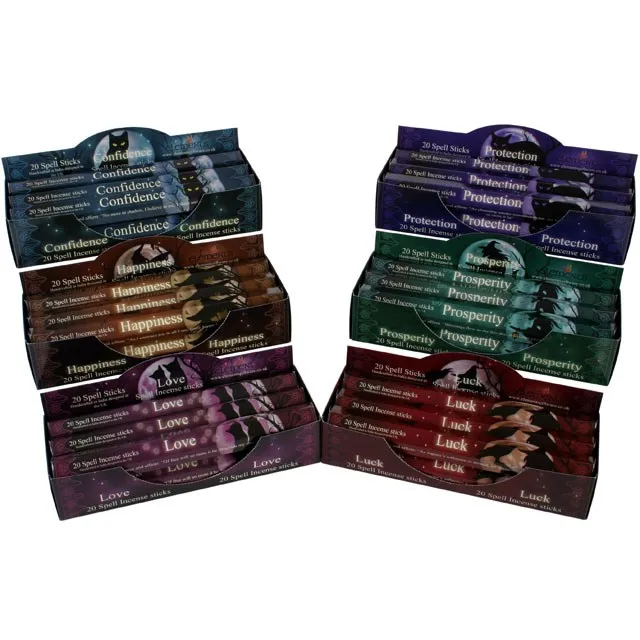
Trust your first reaction
Fragrance descriptions are helpful, but incense is not a quiz with a correct answer. A scent might be described as spiritual, grounding, mystical or uplifting, yet the real question is simpler: do you want to light it again?
Choose one or two familiar notes, then add a wildcard that suits your more unusual side. Perhaps that is a dark resin for a candlelit evening, a spellbinding floral for your dressing table, or a bright herbal blend for clearing the mood after a long day. The best incense scents are the ones that make your space feel a little more like your own hidden world.
How to Choose Incense Scents for Your Space QandA
| Mood / Vibe | Recommended Scent Notes | Best Room and Time | Fragrance Profile |
| Peaceful and Settled | Sandalwood, Cedarwood, Frankincense, Myrrh | Reading nooks, quiet evenings, ritual spaces | Creamy woods, dry forest notes, ceremonial resins |
| Warm and Cosy | Vanilla, Amber, Cinnamon, Honeyed blends | Living rooms, autumn/winter evenings | Sweet, inviting, rich, and comforting |
| Fresh and Clear | Citrus, Mint, Eucalyptus, Light botanicals | Home offices, kitchens, daytime | Uplifting, crisp, clean, and air-clearing |
| Soft and Romantic | Rose, Jasmine, Lavender | Bedrooms, bathrooms, winding down | Sweet, heady, calming vintage florals |
| Earthy and Mystical | Patchouli, Dragon’s Blood, Oud blends | Gothic spaces, altar displays, late night | Bold, musky, dark resins with warm spice |
Questions and Answers
Q1: What is the primary difference between incense sticks and incense cones?
A: Incense sticks burn steadily and evenly, making them ideal for everyday use and testing new scents. Incense cones release a more concentrated, intense burst of fragrance in a shorter amount of time, making them better suited for larger rooms. Backflow cones also create a cascading smoke effect specifically designed for visual rituals.
Q2: How should room size affect the type of incense chosen?
A: Smaller rooms require lighter scents (such as lavender, lemon, or delicate florals) to prevent the fragrance from overwhelming fabrics and soft furnishings. Larger spaces like living rooms and hallways can handle richer, heavier scents such as frankincense, cinnamon, patchouli, and sandalwood.
Q3: Which scents are best when selecting a safe gift for an uncertain recipient?
A: Mild, universally appealing scents like sandalwood, lavender, or light citrus are the safest choices. Extremely sweet gourmands, intense smoky notes, and heavy white florals should be avoided because they tend to be divisive.
Q4: How can someone safely enjoy incense in a smaller or shared living space?
A: Keep a window slightly open for ventilation, choose lighter herbal or floral blends, and extinguish the stick early in a fire-safe dish once the desired scent level is reached rather than burning the entire stick.
Q5: What scent notes best match someone drawn to antique bookshops and dark woods?
A: Woody and resinous profiles such as sandalwood, patchouli, oud-style blends, frankincense, and dragon’s blood naturally complement dark wood and vintage aesthetics.