
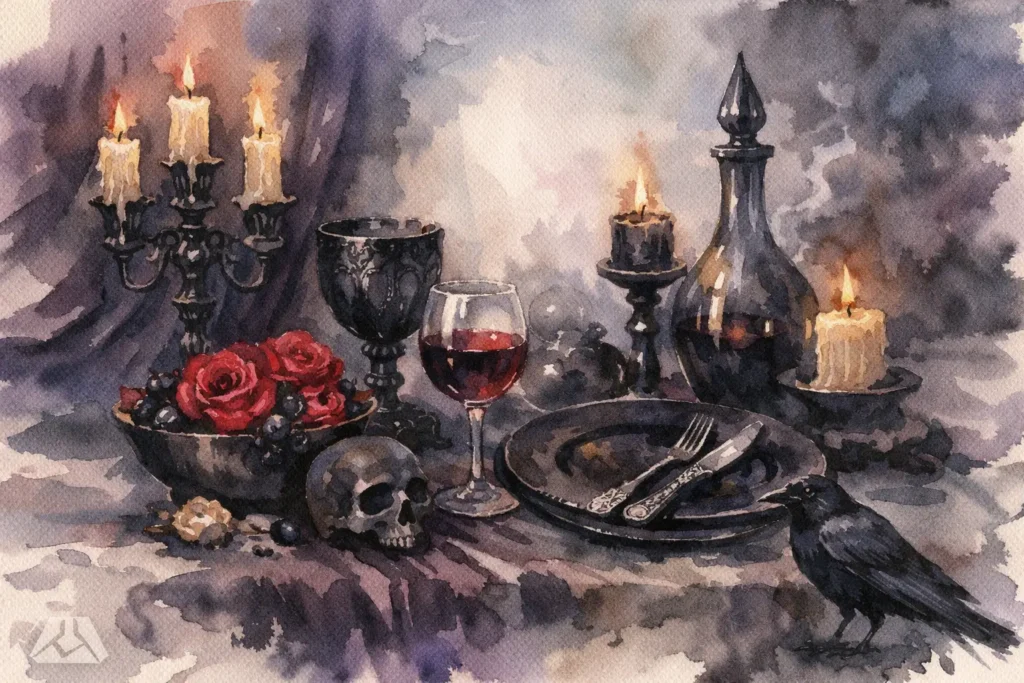
To style gothic tableware at home, focus on mood, contrast, and layering rather than making everything black. The best gothic tables feel curated and atmospheric, with a mix of textures, colours, and statement pieces that create drama without looking cluttered.
A black goblet, a raven-topped candle holder and a plate with just enough drama can do more for a table than a full set of plain dinnerware ever will.
If you’re wondering how to style gothic tableware, the trick is not making everything dark for the sake of it. The best gothic tables feel curated, atmospheric and a little theatrical — with enough balance to look intentional rather than like a box of Halloween leftovers.
For gift buyers, collectors and anyone building a home with more personality than the usual high-street look, gothic tableware has real charm. It can be elegant, playful, romantic or full-on macabre depending on what you pair together.
| Element | What to Aim For |
|---|---|
| Colours | Black + 1–2 accent tones (burgundy, green, silver) |
| Texture | Mix matte, gloss, glass, metal, fabric |
| Focal point | One standout “hero” piece |
| Lighting | Candlelight or soft lighting |
| Balance | Statement pieces + simple basics |
Start with the mood before the pieces
Before you choose plates, cups or serving pieces, decide what kind of gothic you actually want on the table. This is where many setups go off track. Gothic is a broad aesthetic, and a medieval-inspired feast table looks very different from a sleek black-and-silver modern setting.
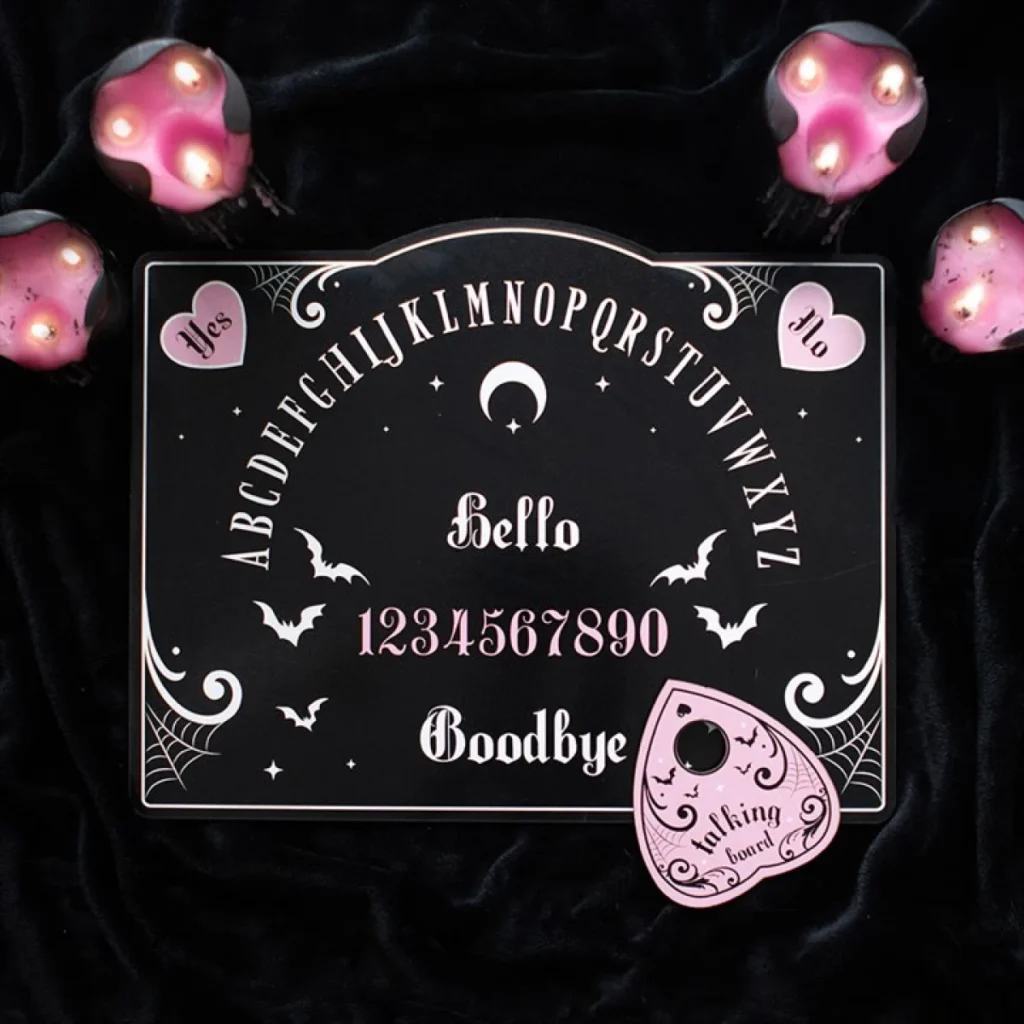
If you lean romantic, think candlelight, antique-style finishes, deep burgundy accents and floral or baroque motifs. If your taste is more witchy, you might prefer moons, stars, natural textures, incense holders and darker, earthier tones. If you enjoy a more pop-culture edge, licensed pieces inspired by fantasy worlds, darker franchises or collector favourites can bring in character without losing the gothic feel.
Choosing the mood first makes shopping easier. You stop buying random black pieces and start building a table that feels like it belongs together.
How to style gothic tableware with colour
Black is the foundation, but it should not be the only note. A table done entirely in one flat shade can look heavy rather than striking. The richer approach is to layer black with one or two supporting colours.
Deep red is a classic because it adds warmth and a slightly dramatic, old-world feel. Plum, forest green and midnight blue also work beautifully, especially for autumn and winter tables. For a more luxe finish, touches of silver, aged gold or pewter break up the darkness and catch candlelight well.
White can work too, particularly if your gothic style leans Victorian or skeletal rather than medieval. A white plate with black detailing, for example, can feel sharper and more distinctive than a plain all-black setting. The point is contrast. Gothic styling comes alive when there is something for the dark elements to play against. Contrast is what brings gothic styling to life.
Mix textures so the table feels layered
Texture is what gives gothic tableware its depth. Matte ceramics, glossy glaze, smoked glass, metal finishes and soft fabrics all bring something different. If every surface is shiny, the table can feel a bit harsh. If every surface is matte, it can fall flat.
A good setup might pair black ceramic plates with cut-glass goblets, a velvet or lace runner, and metal candle holders. Even small details help. Ribbed mugs, embossed serving dishes or textured napkins can make the whole table feel more collected and less one-note.
This is especially useful if you’re styling a smaller table or a simple shelf display rather than a full dinner setting. Texture creates interest without needing lots of separate items.
Mix textures so the table feels layered
Texture is what gives gothic tableware its depth.
Combine:
matte ceramics
glossy glaze
glass
metal
fabrics like velvet or lace
Without texture, the table feels flat — even if the pieces are good.
Build from a hero piece
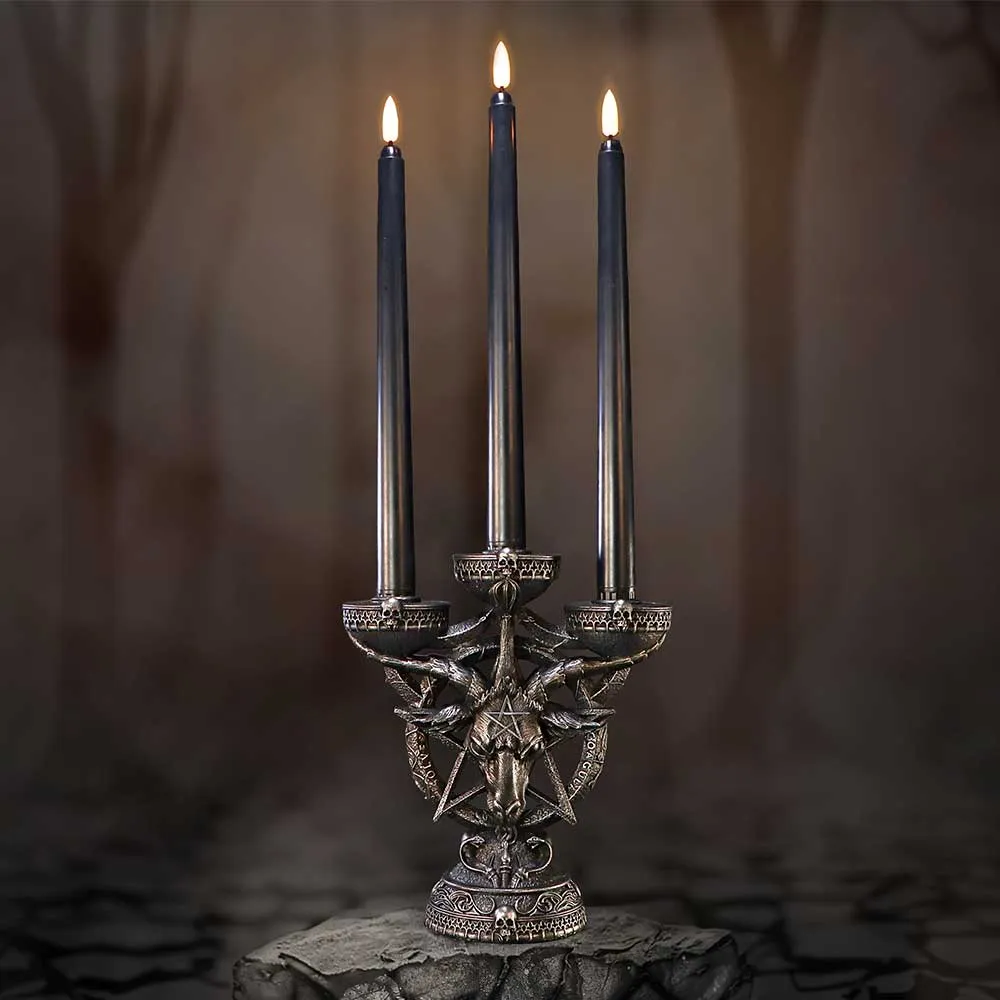
One of the easiest ways to style gothic tableware is to choose a hero piece and let everything else support it. That could be a statement teapot, a pair of unusual goblets, a skull-shaped serving bowl, a raven motif plate or an ornate candle holder that anchors the scene.
Once you have that focal point, the rest becomes much simpler. You can repeat a shape, a finish or a colour from the hero piece across the table. If your standout item is highly decorative, keep the surrounding pieces plainer. If the main piece is sleek and minimal, add more detail through textiles or accessories.
This approach works particularly well for gifting too. If you’re buying for someone with a gothic or alternative style, one memorable centrepiece often feels more special than a lot of filler items.
Let candles and lighting do some of the work
Gothic tableware almost always looks better in softer lighting. That does not mean your table has to be dim, but it does mean atmosphere matters. Candles are the obvious choice because they instantly make dark ceramics, metallic details and glassware feel more dramatic.
Tall candlesticks give a more formal, old-world mood. Small clustered candles feel cosier and more casual. Black candles can look fantastic, but cream, burgundy or deep green often create a richer contrast against darker tableware.
If you’re styling a table for everyday use rather than a dinner party, you can still borrow from this idea. A single candle holder or oil burner at the centre of the table can carry the same mood without making the setup feel overdone.
Don’t overcrowd the setting
This is the main trade-off with gothic styling. Because the details are often decorative, it is easy to tip from atmospheric into cluttered. Skulls, ravens, moons, roses, potion-bottle shapes and ornate trims all have plenty of personality, but they need space around them.
If your plates are highly detailed, keep the placemats and napkins simpler. If you already have bold glassware, choose cleaner serving pieces. You want the eye to move around the table and land on individual items, not get stuck in a sea of competing motifs.
A good rule is to mix statement pieces with grounding pieces. Plain black side plates, simple cutlery and one-colour linens can calm a table beautifully while still keeping the gothic look intact.
Bring in story through themed details
The most memorable gothic tables usually have a sense of narrative. They feel like they belong to a particular world, whether that world is dark academia, witchy cottage style, fantasy banquet hall or classic Halloween glamour.
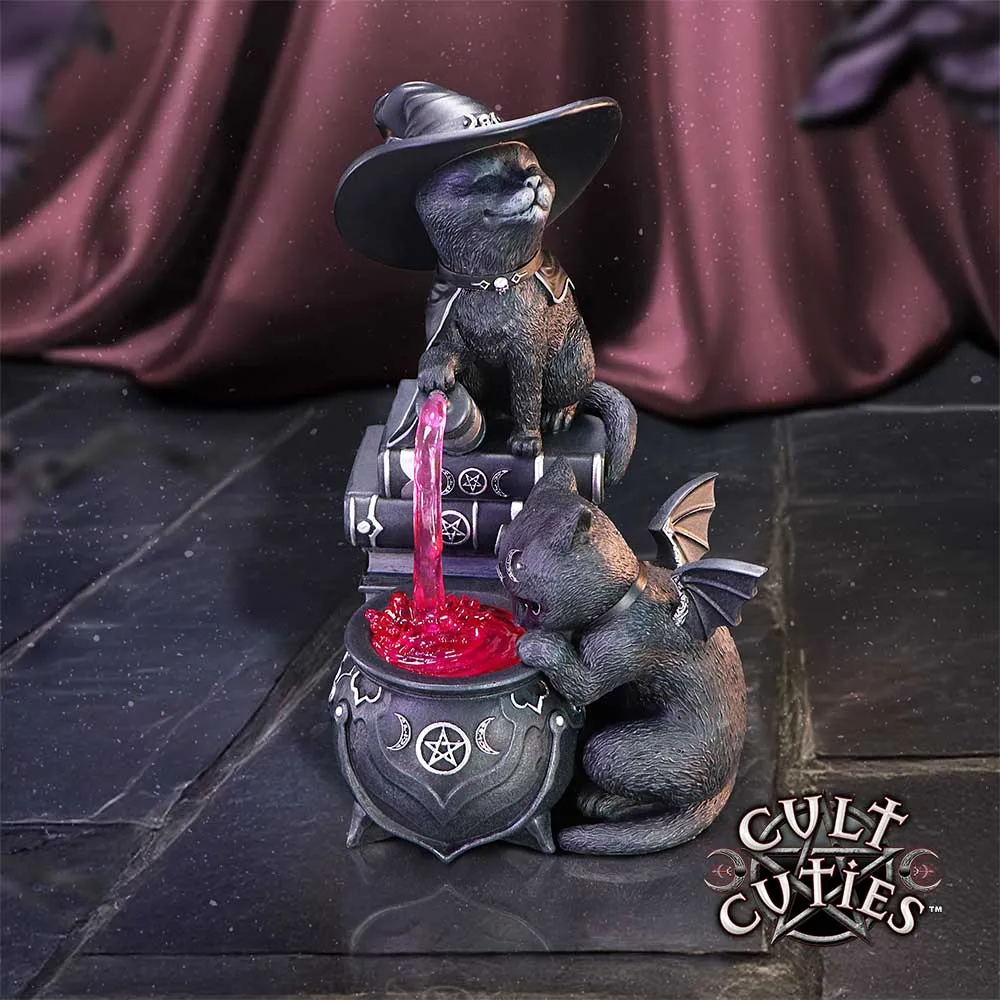
That is where themed details make all the difference. A table with celestial motifs feels different from one built around ravens and cathedral-inspired shapes. Likewise, fantasy fans might enjoy styling gothic tableware alongside collectable pieces that hint at dragons, medieval feasts or darker magical themes.
This is also where curated shopping really helps. Instead of trawling through unrelated homeware, it is much easier to build a table when the pieces already share some visual DNA. Shops like The Hidden Hatch are especially appealing for that reason – you can find gothic, magical and fandom-led pieces that feel expressive rather than generic.
Use gothic tableware beyond dinner parties
A lot of people assume gothic tableware is only for seasonal displays or themed events, but it can work brilliantly in everyday spaces. The key is deciding how bold you want the look to be.
For daily use, a few anchor pieces often do enough. Black mugs, a decorative tray, a dark-glazed bowl or a striking goblet can add character to a kitchen or dining area without making it feel costume-like. If you enjoy hosting, you can then build those pieces out with extra candles, serving dishes and table décor when the occasion calls for it.
There is no need to keep the good pieces hidden away for one month of the year. Gothic tableware earns its place best when it becomes part of your usual surroundings.
How to style gothic tableware for different occasions
Not every gothic table needs the same level of drama. For an everyday breakfast nook, keep it lighter with a couple of dark mugs, textured placemats and one decorative centrepiece. For evening dining, lean into richer fabrics, layered plates, goblets and candlelight.
For Halloween, you can go further into novelty and theatrical motifs, because the occasion welcomes it. For Christmas, gothic tableware can look unexpectedly beautiful with deep green, red and metallic accents. For birthdays or gifts, themed place settings can make the table feel personal, especially if the recipient loves alternative décor, fantasy references or collectable presentation.
So much depends on who the table is for. If you are styling for yourself, choose pieces you genuinely enjoy seeing every day. If you’re styling for guests or as a gift idea, think about recognisable motifs and conversation-starting details.
Keep it collected, not matched to death
Perfectly matched sets are not always the most interesting choice for gothic styling. In fact, a slightly collected look often feels more authentic. Mixing complementary plates, unusual glassware and decorative accessories can create a richer, more lived-in finish.
That said, there is a balance. Random pieces only work if they share something in common, whether that is colour, finish, motif or mood. A raven-themed serving dish can sit happily with plain black plates and antique-look candle holders because the atmosphere still lines up. A bright tropical tumbler probably will not.
Think curated rather than chaotic. Gothic style has room for personality, but it still benefits from restraint.
If you’re learning how to style gothic tableware, trust the pieces that make you pause for a second. The plate with the ornate edge, the goblet that feels a touch dramatic, the candle holder that looks like it belongs in another world – those are often the items that turn a table into something worth remembering.
So how should you style gothic tableware?
- Choose a mood first
- Use contrast, not just black
- Mix textures and materials
- Anchor the table with one strong piece
- Keep space between details
The best gothic tables are not the darkest or busiest — they are the most intentional.
Gothic Tableware Styling: QandA
Q: What is gothic tableware?
A: Gothic tableware includes plates, goblets, serving pieces and décor inspired by darker aesthetics such as medieval, Victorian, witchy or gothic-style themes. It often features black tones, ornate detailing, and motifs like ravens, skulls, or celestial patterns.
Q: Do you have to use all black to create a gothic table?
A: No. While black is the base, the best gothic tables use contrast. Deep reds, greens, metallic accents or even white elements help add depth and prevent the table from looking flat.
Q: How do you make gothic tableware look elegant instead of cluttered?
A: Focus on balance. Use one or two statement pieces and pair them with simpler items. Leaving space between decorative elements helps each piece stand out and keeps the table feeling intentional.
Q: What colours work best with gothic tableware?
A: Popular pairings include black with burgundy, forest green, plum, silver, or aged gold. These colours add richness and help reflect candlelight, which enhances the overall atmosphere.
Q: What is the easiest way to style gothic tableware for beginners?
A: Start with one strong focal piece, such as a goblet or candle holder, and build around it using a consistent colour palette. Keeping the setup simple at first helps avoid clutter.
Q: Can gothic tableware be used every day?
A: Yes. A few key pieces, like mugs, trays or bowls, can add character to everyday spaces. You can always expand the setup with candles and décor for special occasions.
Q: What lighting works best with gothic tableware?
A: Candlelight or soft lighting works best. It enhances dark colours, highlights textures, and creates the atmospheric feel gothic styling is known for.
Q: How do you style gothic tableware without it looking like Halloween décor?
A: Focus on balance, colour contrast, and refined textures rather than novelty items. Using metallics, glassware, and subtle accents helps keep the look timeless rather than seasonal.