
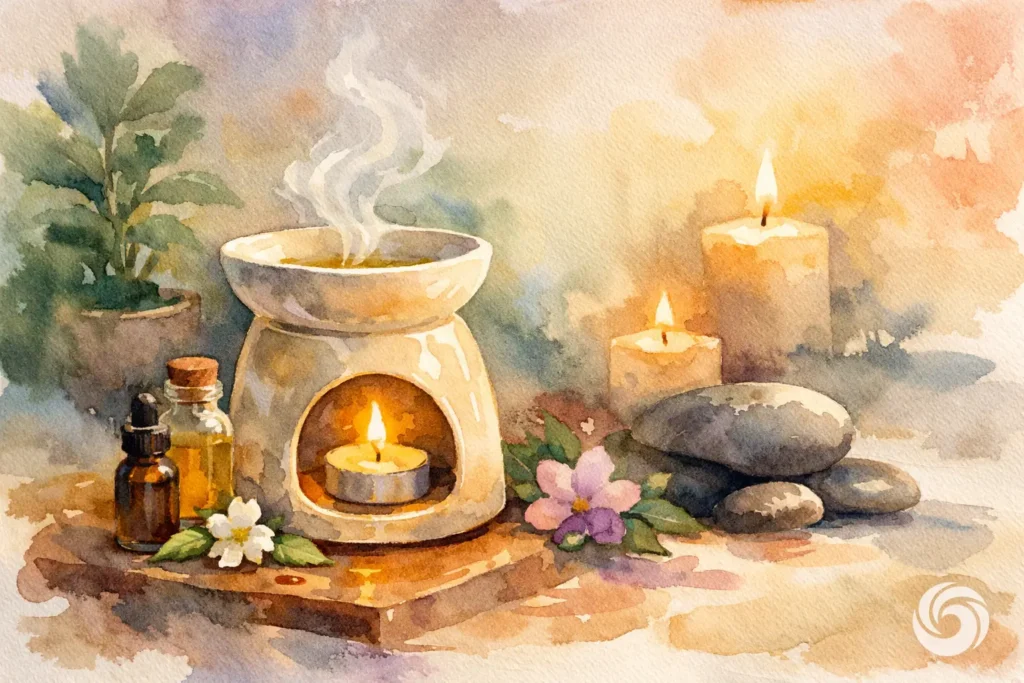
A good oil burner can change the mood of a room in minutes. One small tealight, a little fragrance, and suddenly your reading nook, hallway or bath-time setup feels far more intentional. If you have been wondering how to use oil burners without making a mess, overheating the dish, or wasting your favourite scents, the trick is simpler than it looks – but a few details matter.
How to use oil burners without the guesswork
Oil burners are designed to gently warm fragrance oil or wax melt from above using the heat of a tealight below. The top dish holds the scented product, while the lower chamber holds the candle. As the heat rises, the fragrance starts to disperse through the room.
That sounds straightforward, and it is, but the exact method depends on whether you are using diluted fragrance oil with water or a wax melt. Not every burner suits every product equally well. Some have deeper bowls that are ideal for oil and water, while others work best with wax melts because the dish is broader and shallower.
If your burner is part of your décor as much as your fragrance routine, that is part of the fun. A burner can feel practical, but it can also add a little theatre to a shelf, side table or cosy corner – especially if your taste leans magical, gothic or a touch witchy.
What you need before you start
Before lighting anything, gather the basics. You will need your oil burner, an unscented tealight, your chosen fragrance oil or wax melt, and a lighter or matches. If you are using fragrance oil, keep a little water nearby too.
Unscented tealights are usually the best choice because they let the fragrance do the work. A strongly scented candle underneath can compete with the oil above and muddy the overall scent. It is also worth checking the size of the tealight. Standard tealights are usually right for most burners, while larger or longer-burning candles may create too much heat.
Set the burner on a flat, heat-resistant surface away from curtains, books, trailing cables or anything else that could catch. It should also sit out of reach of children and pets. Even the most decorative burner is still a heat source, so placement matters more than people sometimes expect.
Using fragrance oil in an oil burner
If you want to know how to use oil burners in the classic way, this is it. Start by filling the top dish with water. You do not need to fill it to the brim, but the base of the dish should be properly covered. Then add a few drops of fragrance oil.
How many drops depends on the size of the room, the strength of the oil, and your own preference. A smaller room may only need a little, while a larger space can take more. Start modestly if you are trying a fragrance for the first time. It is much easier to add another drop next time than to sit through an overpowering blend for the evening.
Once the water and oil are in the dish, place the tealight in the chamber beneath and light it carefully. Within a short while, the heat will warm the liquid and release the scent. Keep an eye on the water level as it burns. If the dish dries out completely while the tealight is still lit, the burner can become too hot and may damage the surface or leave residue that is harder to clean.
That is one of the most common mistakes. People add the oil, enjoy the scent, and forget that the water needs monitoring. If you are settling in with a film, a book, or a long catch-up over tea, it is worth checking the burner now and then.
Can you use wax melts in an oil burner?
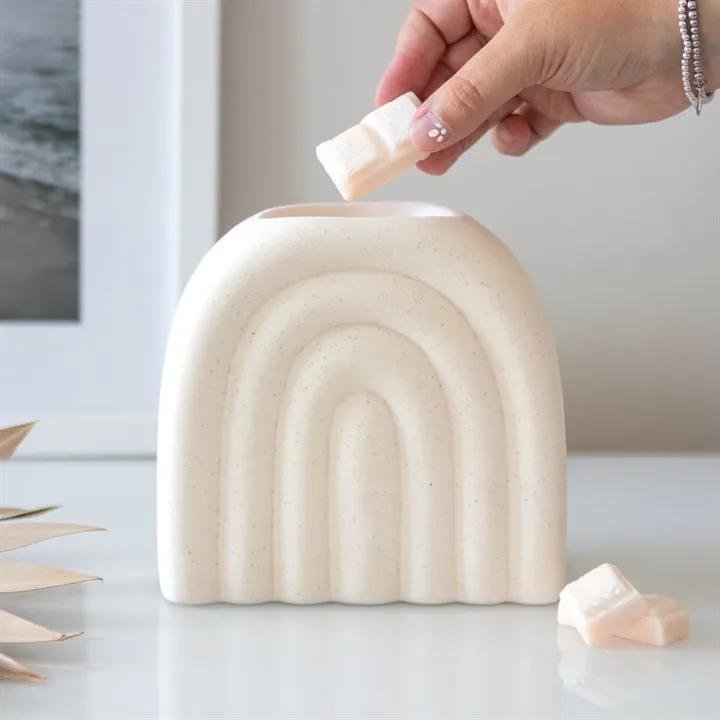
Often, yes – but only if the burner is suitable for them. Many ceramic burners can handle wax melts perfectly well, especially if the top dish is roomy enough and not too close to the flame. In that case, place a small piece of wax melt into the dry dish and light the tealight underneath. There is no need to add water.
As the wax softens and melts, the fragrance is released. This can be a lovely option if you prefer richer, longer-lasting scent or want to swap between themed wax melts depending on the season. Autumn spice, dark florals, soft vanilla, enchanted forest notes – it is very easy to match your mood or the room.
The trade-off is heat control. Some burners run hotter than others, and wax can burn through its fragrance more quickly if the flame is too close to the dish. If you notice the scent disappearing unusually fast, your burner may simply be better suited to oils and water, or to shorter burn sessions with wax.
How to use oil burners safely
The charming part of an oil burner is the soft candle glow. The serious part is that it involves an open flame. Never leave it unattended, even for a quick errand or a dash upstairs. If you are leaving the room for more than a moment, blow the tealight out.
It is also best not to move the burner while it is in use. The ceramic can become very hot, and the liquid or melted wax at the top can spill easily. Let everything cool fully before handling it, emptying it, or cleaning it.
Ventilation matters too. You do not need draughty windows flung open in the middle of winter, but a little airflow helps keep the room comfortable. If a fragrance starts to feel too heavy, blow out the tealight and allow the burner to cool.
If you share your home with curious cats, enthusiastic dogs, or little ones with grabby hands, think carefully about where the burner lives. High shelves can seem like a fix, but only if they are genuinely stable and far from edges. A secure sideboard or mantel-style surface is often a safer choice.
If you are looking for something more earthy then try our range on our sister site Funkystride.
Getting the best scent from your burner
There is a bit of trial and error in finding your ideal setup. Larger rooms usually need a stronger fragrance or a little more oil, while smaller rooms can become intense quite quickly. Bedrooms and bathrooms often suit softer scents, while living spaces can carry deeper or spicier blends well.
The quality of the oil or wax melt also makes a difference. Some fragrances are naturally delicate, while others have more throw. If a scent seems faint, the issue may not be the burner at all. It could simply be a gentler blend.
Burn time affects the experience as well. A short burst can freshen a hallway before guests arrive, while a longer session suits a quiet evening in. You do not always need hours of fragrance for it to feel effective. Sometimes twenty to thirty minutes is plenty, especially in a smaller room.
Cleaning and aftercare
A clean burner performs better and looks better too. If you have used oils with water, wait until the burner is cool, then pour away the remaining liquid and wipe the dish with a soft cloth. If any residue remains, a little warm soapy water usually sorts it.
For wax melts, let the wax cool and solidify before removing it, unless your preferred method is to soak it up while still soft with cotton wool or kitchen roll. Either way, make sure the burner is not hot enough to cause burns. Avoid scraping aggressively at the dish, especially with metal tools, as that can damage the finish.
Regular cleaning also helps stop old fragrances mixing with new ones. That matters more than it sounds. A fresh citrus layered over yesterday’s spiced plum can end up smelling muddled rather than magical.
Choosing the right oil burner for your space
Not all oil burners are created equal. Some are made purely for function, while others feel like decorative pieces in their own right. If your home style leans cosy, mystical, seasonal or fandom-inspired, the burner itself can be part of the atmosphere.
Look at the bowl depth, the height between flame and dish, and the overall sturdiness. A very small burner may be ideal for a bedside table or compact flat, while a larger one can make more impact in a living room. If you enjoy changing your décor with the season, having a burner that feels collectable as well as useful is no bad thing.
That is where a curated shop such as The Hidden Hatch tends to appeal. The pleasure is not just in finding something that works, but in finding something with a bit of character.
Common mistakes to avoid
The biggest mistake is using too much oil and expecting stronger to mean better. Usually it just means overwhelming. Another is forgetting the water when using fragrance oil, or assuming every burner is automatically suitable for wax melts.
Using oversized candles is another easy one to miss. More flame does not equal more fragrance. It often just means too much heat, faster evaporation, and a burner that gets hotter than intended. A standard unscented tealight is usually the safest bet.
Lastly, do not rush the cooling process. A burner can stay hot long after the tealight is out. Giving it proper time to cool is one of the easiest ways to avoid spills, cracked ceramic, and singed fingertips.
Used well, an oil burner adds more than scent. It adds mood, ritual and a little personality to everyday spaces. Start simply, pay attention to how your burner behaves, and you will soon find the combination that makes your home feel more like your kind of place.
Master the Art of the Oil Burner (Without Burning the House Down)
How to use Oil Burners QandA.
Q: How much water am I supposed to put in the well? Can I just use pure oil?
A: Never use pure essential oil or fragrance oil directly in the reservoir bowl. Without water, the intense, direct heat from the tealight candle will scorch the oil instantly. It will create an acrid, toxic black smoke, ruin the hand-painted finish of your beautiful burner, and can cause the oil to violently crackle or ignite.
- The Safe Ratio: Fill the top reservoir bowl about 70% to 80% full with warm water first, then drop in 3 to 5 drops of your chosen fragrance or essential oil. The water acts as a protective buffer, gently vaporizing the aroma without burning the botanicals.
Q: Why did my ceramic oil burner suddenly crack while the candle was lit?
A: This is almost always caused by a phenomenon called thermal shock, and it usually happens when the reservoir bowl runs completely dry.
If the water evaporates entirely, the tealight flame keeps heating the dry ceramic or resin bowl to extreme temperatures. If you then try to “fix it” by pouring cold water directly into that blistering hot bowl, the sudden drop in temperature causes the material to instantly fracture or shatter.
- The Safety Check: If you notice your burner has run dry, blow out the candle immediately. Leave the burner completely alone for 20 minutes to cool down naturally before wiping it out or adding more water.
Q: What kind of candles should I use? Are those big 8-hour tealights okay?
A: Stick strictly to standard, low-profile 2-hour or 4-hour unscented tealights.
Avoid those large 8-hour maxi-tealights. Because they sit much taller, the flame sits far too close to the bottom of the water bowl. This intense, concentrated heat will boil the water away way too quickly, drastically increasing the risk of thermal shock or cracking the burner. Plus, always choose unscented candles so they don’t fight against the fragrance oil you are actually trying to smell!
2. The Oil Burner Safety Matrix
This quick-reference table covers the essential house rules for running any traditional tealight oil burner safely.
| Safety Protocol | The Potential Danger | The Golden Rule for The Hidden Hatch Homes |
| The Surface Shield | Heat transferring through the base can scorch, melt, or discolor wooden tables or delicate surfaces. | Always place your burner on a heat-resistant coaster, slate tile, or ceramic plate—never directly on bare wood or plastic. |
| The Airway Clearance | Trapped heat inside enclosed or hollow gothic burners can cause the tealight to combust or suffocate. | Ensure there is at least 10cm of clear open headspace above the burner. Never place it on a crowded bookshelf or under low hanging curtains. |
| The Wax Melt Transition | Mixing water with solid wax melts or overheating a full bowl can cause a messy, dangerous spillover. | If you switch from oils to wax melts, never add water to the wax. Simply place one solid wax cube directly into a completely dry, clean bowl. |
| The Active Draft Alert | A sudden breeze from an open window can cause the tealight flame to flicker wildly, licking the sides of the burner. | Keep burners away from open windows, fans, and busy hallways where pets or children could accidentally brush past and tip them. |
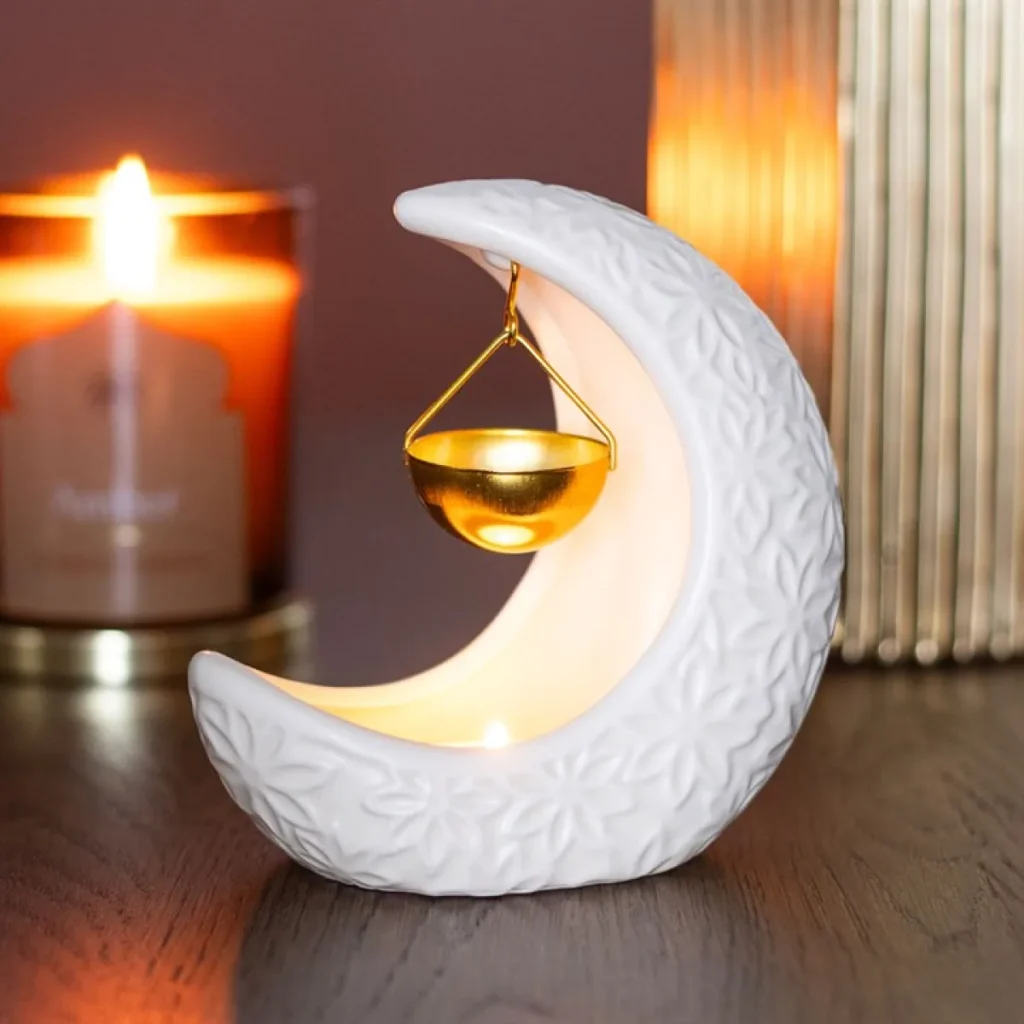
A Quick Note for Alternative Homes: Many of our favourite Nemesis Now or Something Different burners feature stunning, intricate cut-out shapes (like crescent moons, witch cauldrons, or gothic filigree) that cast beautiful shadows when lit. Just remember: because these pieces are highly stylized, they can get incredibly hot to the touch. Once your tealight is lit, treat the burner like a sacred altar piece—look, enjoy the aroma, but don’t touch or move it until the flame is out and the wax has cooled!