
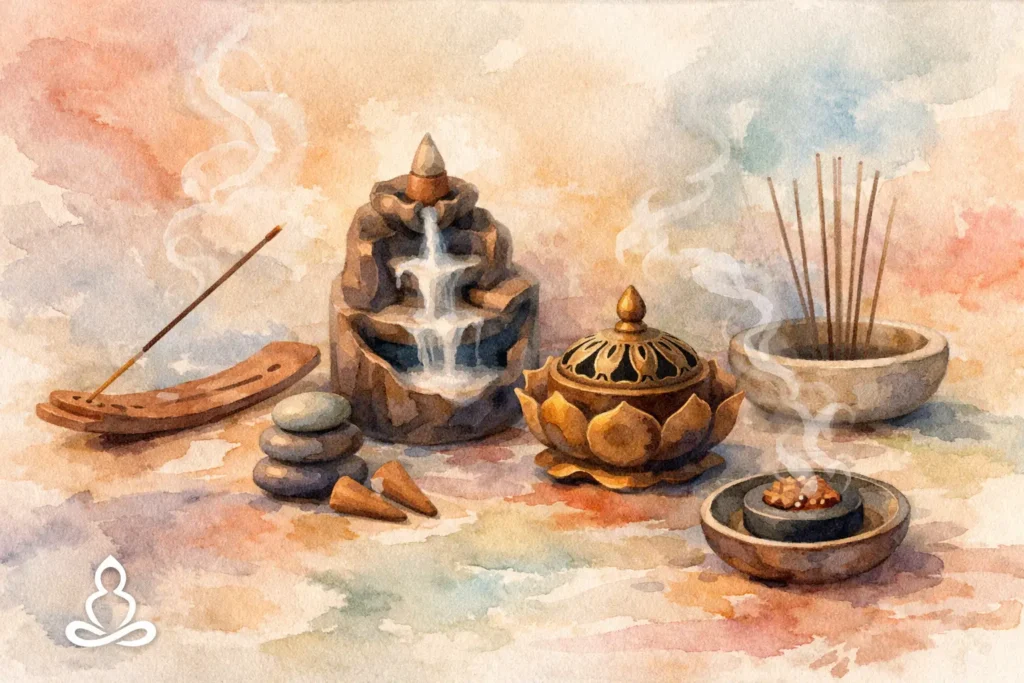
That first incense burner usually starts as a small thing – a shelf detail, a gift idea, a little bit of atmosphere for your room. Then you realise there is more than one type, more than one scent format, and definitely more than one look. If you are shopping for incense burners for beginners, the easiest way to get it right is to match the burner to the kind of mood, space, and style you actually want at home.
For some people, that means a simple ash-catching holder they can use in the evening. For others, it is a striking backflow design that feels a bit magical on a desk, sideboard, or altar space. The good news is that starting out is not complicated. You do not need expert knowledge, just a clear sense of what each burner is made for and a little care around safety.
Check out our fantastic Incense Range at our sister site Funkystride.
Incense burners for beginners: start with the basics
The biggest mistake beginners make is choosing purely on looks without checking what the burner is designed to hold. Incense sticks, cones, backflow cones, resin, and powders all burn differently, and the burner needs to match the format. A gothic dragon cone holder might look brilliant, but if you want to burn traditional sticks every evening, it may not be the right fit.
Sticks are usually the easiest place to begin. They are straightforward to light, widely available in different fragrances, and many holders are slim, tidy, and easy to place in smaller rooms. Cone burners are also beginner-friendly, though they create a more concentrated scent and can burn a little faster. Backflow burners are the most dramatic visually, producing that smoky waterfall effect, but they need specific backflow cones to work properly.
If you are after something low-fuss, start with a stick holder or a basic cone burner. If you are buying partly for display value, a themed backflow burner can feel more like a collectable piece of décor than just a practical accessory.
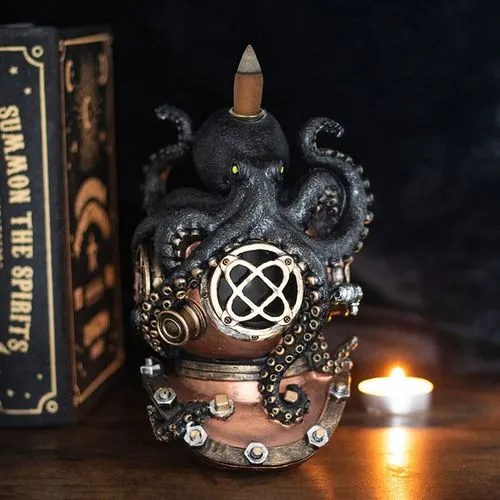
The main types of incense burner
Stick holders
These are the classic option and often the easiest to live with. They are usually long and narrow, designed to catch falling ash while holding a single incense stick at an angle. They suit everyday use, especially if you want a simple ritual in the evening without much setup.
A stick holder works well in a bedroom, reading nook, or living room corner, but size matters. A very small holder can look neat, though it may not catch every bit of ash. If you are trying to keep surfaces clean, a tray-style design is usually more forgiving.
Cone burners
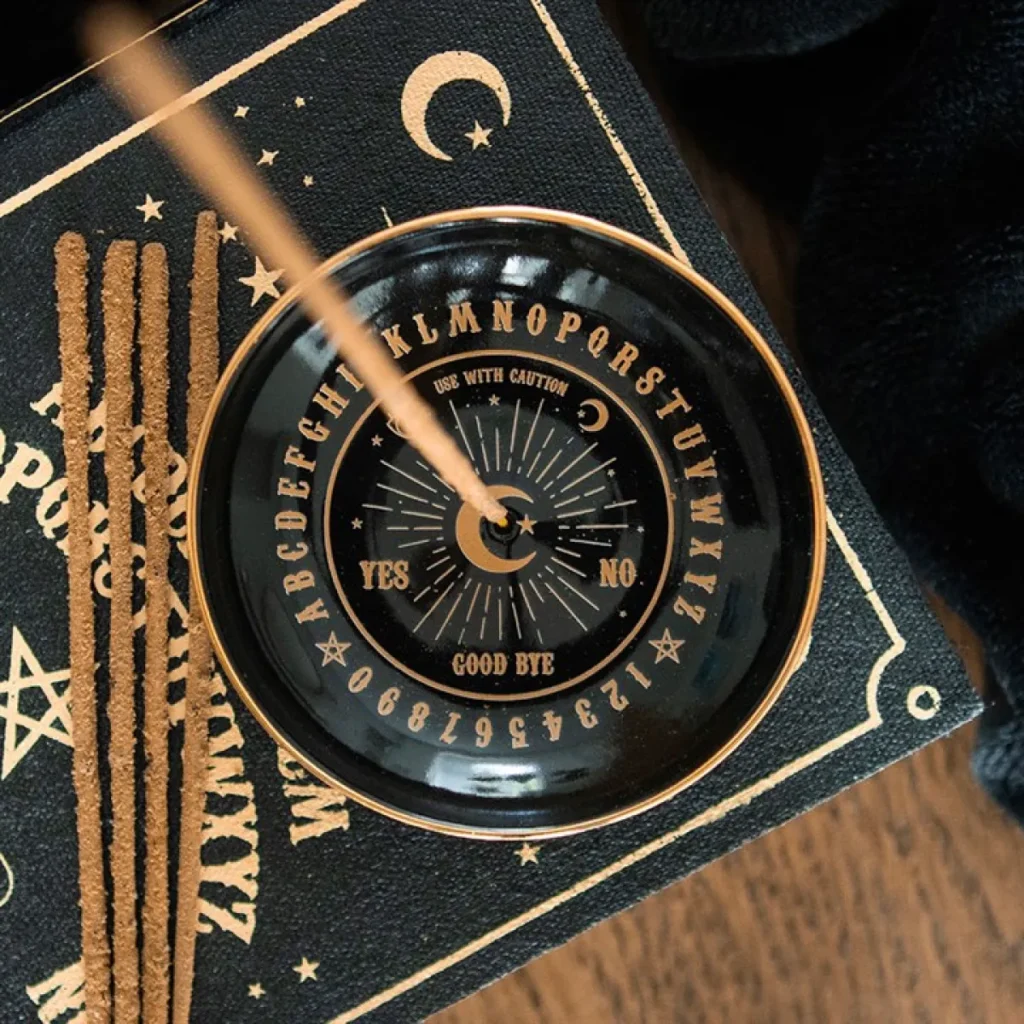
Cone burners are compact, practical, and often more decorative than basic stick holders. Because incense cones sit directly on the burner, the dish or chamber needs to be heat-safe and easy to wipe clean. Cones can leave more visible residue than sticks, so a burner with a glazed or smooth surface is often easier for beginners.
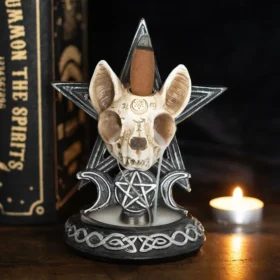
They are a good choice if you like richer bursts of fragrance or want a burner with more sculptural detail. Many themed designs, especially mystical, gothic, or fantasy-inspired pieces, are made for cones.
Backflow burners
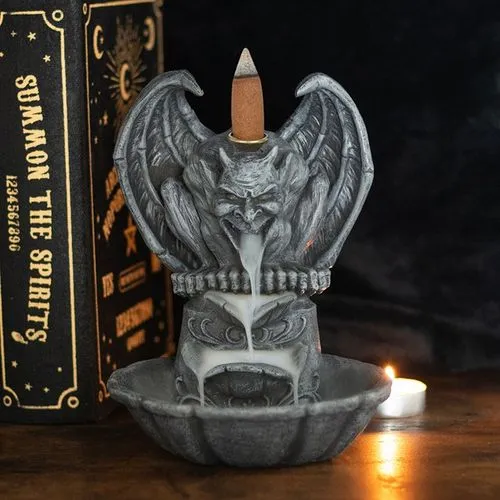
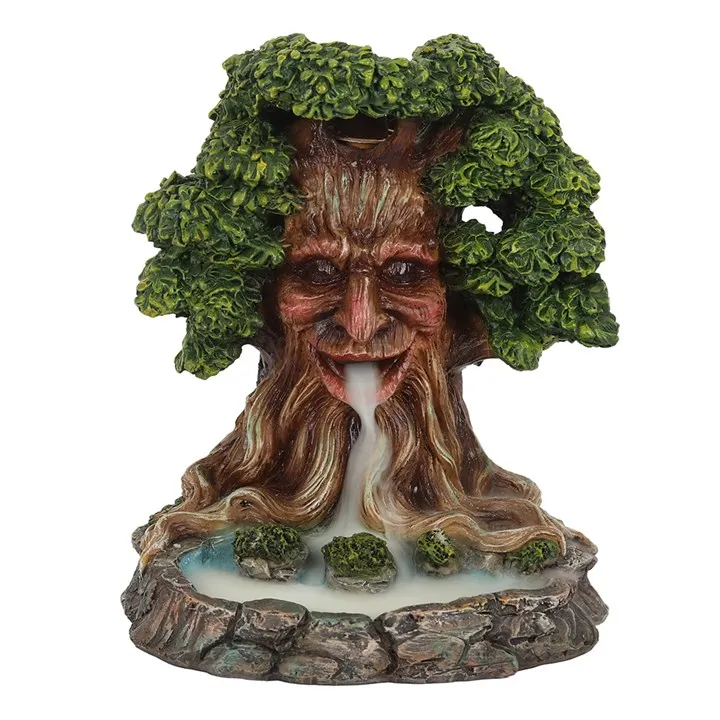
Backflow incense burners are popular for a reason. The smoke flows downwards in a slow cascade, which gives them a dramatic, almost spellbook-on-the-shelf sort of presence. They can be brilliant for gifting because they feel special before they are even lit.
That said, they are slightly fussier than standard burners. They need backflow cones rather than ordinary ones, and the effect works best in still air. If your room is draughty or the burner is placed near an open window, the smoke trail may not behave as expected. For beginners who care as much about visual atmosphere as scent, they are still a strong choice.
Resin burners and oil-burner styles
These are less beginner-friendly unless you already know you want a more traditional or ritual-led experience. Resin incense usually requires charcoal discs and more careful handling, while some oil burner styles are made for wax melts or fragrance oils rather than incense. They can be beautiful, but they are not always the most straightforward first purchase.
If you are buying your very first burner and want easy use from day one, sticks and cones are the safer bet.
How to choose a burner that suits your space
The right incense burner is partly about function and partly about personality. If your home style leans dark, celestial, witchy, or fantasy-inspired, an ornate burner can add to the whole mood of the room. If you prefer a cleaner look, a simpler ceramic or wooden holder may feel less busy.
Think about where it will live. A backflow burner on a crowded bedside table may not be practical, while a cone dish on a hallway shelf might be too small to make much impact. If you are styling a room as well as scenting it, choose something that still looks good when it is not in use.
This is where themed burners really earn their place. A well-chosen incense burner can feel like part décor, part collectable, and part ritual object. For fans of magical, gothic, or character-led interiors, that extra bit of identity matters. It turns a useful item into something with presence.
Safety matters more than style
Even the best-looking burner has to be used properly. Incense involves heat, ash, and smoke, so placement matters. Always use your burner on a flat, heat-resistant surface away from curtains, papers, and anything else that could catch. It sounds obvious, but plenty of people place burners on cluttered shelves because that is where they look nicest.
Ventilation matters too. A room does not need to be draughty, but it should not be sealed shut. Incense is meant to add atmosphere, not overwhelm the space. If you are very scent-sensitive, start with shorter sessions and milder fragrances.
It is also worth remembering that some burners get hotter than they look, especially ceramic cone holders and resin setups. Let everything cool fully before moving or cleaning it. If you have pets or young children at home, choose a stable design that cannot be tipped easily.
What beginners often get wrong
The first issue is mismatch. People buy a beautiful burner and then realise it only works with cones when they have stocked up on sticks, or they order a backflow design without backflow cones. A quick check on compatibility saves that disappointment.
The second is expecting every incense type to smell the same in strength. Sticks can be lighter and more gradual, while cones often feel denser. Backflow cones are chosen as much for visual effect as fragrance. There is no universal best option – it depends on whether you want a subtle background scent or a stronger, mood-setting moment.
The third is forgetting maintenance. Incense leaves residue. A burner that is awkward to clean may stop feeling charming quite quickly. If you want something for regular use, smooth ceramic, metal, or easy-wipe finishes are often more practical than highly textured designs.
Buying incense burners for beginners as gifts
Incense burners make excellent gifts because they feel thoughtful without being overly difficult to choose. They suit birthdays, housewarmings, seasonal gifting, and those little just-because presents when you want something with a bit more character than the usual candle.
If you are buying for someone else, the safest route is to think about their aesthetic first. Do they love fantasy worlds, gothic décor, mystical touches, or unusual home accessories? A themed burner can feel very personal when it matches their style. If they are completely new to incense, stick or cone burners are easier to enjoy straight away than more specialist options.
This is also where a curated shop comes into its own. Rather than trawling through endless generic options, it is easier to find pieces that already feel story-rich, display-worthy, and a little more memorable. That is part of the appeal with collections like those at The Hidden Hatch – the burner can feel like a find, not just a purchase.
So which one should you actually choose?
If you want the easiest everyday option, go for a stick holder with decent ash catch. If you want stronger fragrance and a decorative feel, choose a cone burner. If the visual effect is half the fun and you want something conversation-worthy on a shelf or desk, a backflow burner is likely your best fit.
There is no single perfect beginner burner because the right choice depends on how you want to use it. Daily routine, room styling, gifting, and fragrance strength all change the answer slightly. The trick is not to overcomplicate it. Start with a design that fits your space, works with the incense type you are most likely to burn, and still makes you smile when it is sitting there unlit.
A good first incense burner should feel inviting, easy to use, and just distinctive enough to make the ritual worth repeating.
Is it healthy to breathe in incense?
Ventilation is Key: Always crack a window or ensure there is active airflow. Never burn incense in a small, sealed room.
Short Duration: Don’t leave incense burning continuously. Light it for a few minutes to scent the room, then extinguish it.
Source Quality: Look for “low-smoke” varieties or high-quality natural resins (like frankincense or sandalwood) rather than cheap, synthetic sticks which often use petroleum-based binders.
Does incense help with allergies?
If you are looking for the therapeutic benefits of a scent without the irritating smoke, consider these alternatives:
- Electric Incense Warmers: These heat the resin or wood without burning it, releasing the scent without the carbon-heavy smoke.
- Essential Oil Diffusers: Ultrasonic diffusers use water vapor to carry scent. While much safer for the lungs, you should still ensure the specific oil isn’t a personal allergy trigger.
- High-Quality “Low Smoke” Incense: Some Japanese brands (like Koh) offer low-smoke varieties made with charcoal bases, which produce significantly less visible smoke and ash.
What was the purpose of burning incense?
| Material | Common Source | Historical Purpose |
| Frankincense | Tree Resin (Arabia/Africa) | Religious ceremonies, protection, and status. |
| Sandalwood | Wood (India/Asia) | Meditation, calming the mind, and building temples. |
| Sage | Dried Leaves (Americas) | Indigenous “smudging” to clear negative energy. |
| Palo Santo | Wood (South America) | “Holy Wood” used for spiritual healing and luck. |
What is the incense burner in the Catholic Church?
| Feature | Description |
| The Thurible | The metal vessel used to burn incense; suspended by chains for swinging. |
| The Boat | A separate, boat-shaped container that holds the unburned incense resin. |
| The Spoon | A small utensil used to transfer incense from the boat to the hot coals. |
| The Thurifer | The altar server designated to carry and swing the thurible during the service. |
| The Motion | Swung to keep coals oxygenated and to spread smoke throughout the sanctuary. |
| The Symbolism | Represents prayers rising to God and the sanctification of the people and altar. |