
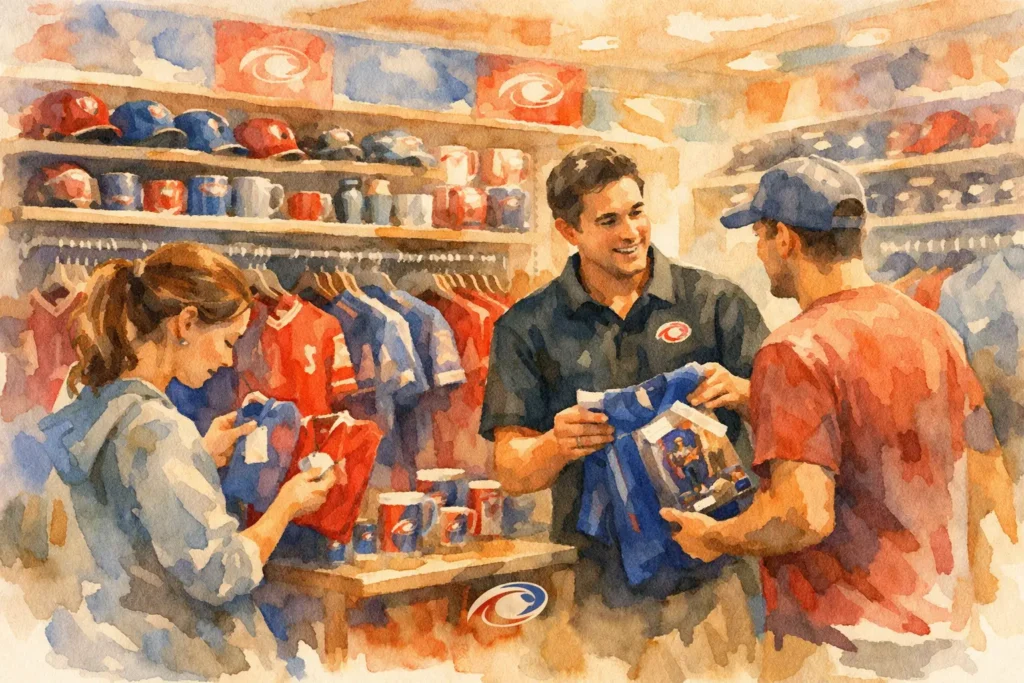
That cheap fandom mug with the slightly wonky print might look fine on a quick scroll, but it feels very different when it arrives. Colours are off, the design looks borrowed rather than approved, and the whole thing misses the magic of the world it is meant to represent. That is exactly why asking whether to buy officially licensed merchandise is such a useful question to ask before you check out.
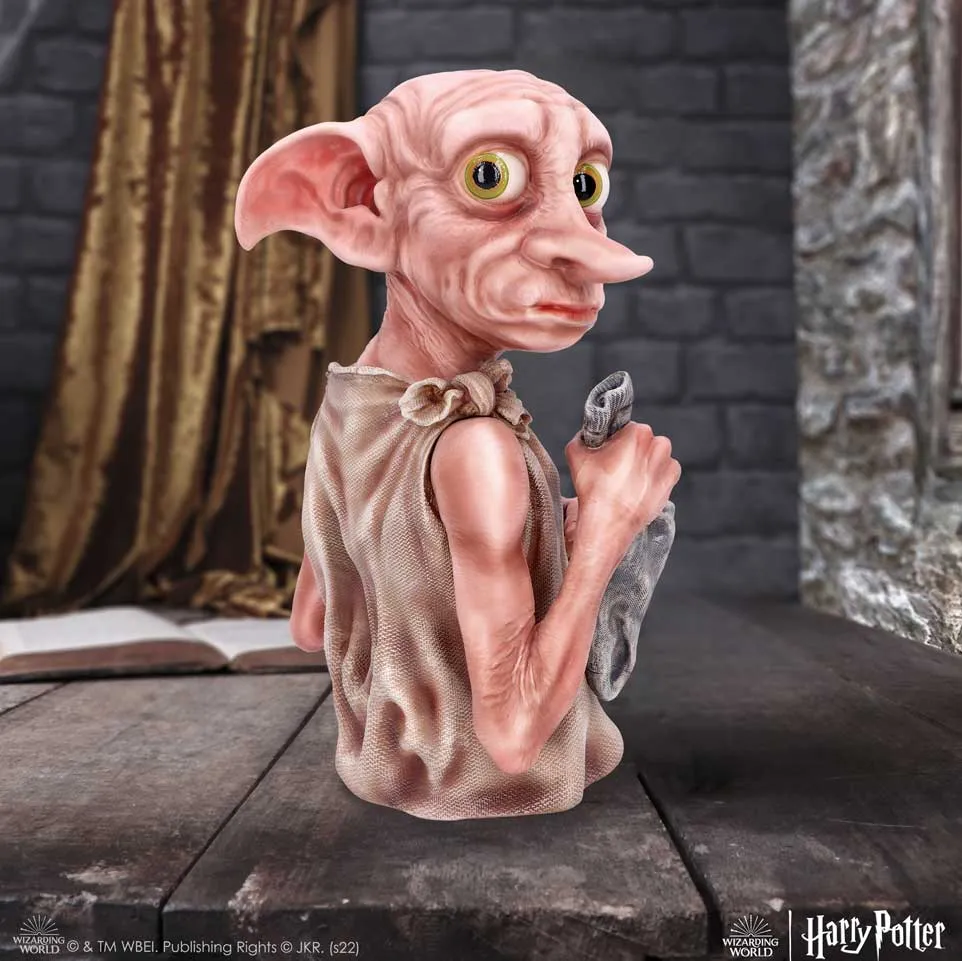
For fans, collectors and gift buyers, licensing is not just a technical label tucked into the small print. It often tells you whether an item has been properly designed, approved and produced with the character, franchise or story in mind. If you are buying a Harry Potter gift, a Stranger Things collectable, or a Lord of the Rings mug for someone who knows every detail, that difference matters.
Why buy officially licensed merchandise in the first place?
The short answer is that licensed products usually feel more authentic, more trustworthy and far more satisfying to own or give. They are created with permission from the brand owner, which means the artwork, logos, character details and packaging have been approved rather than copied.
That approval matters because fandom is personal. People do not buy a Game of Thrones goblet or an AC/DC gift because they simply need an object. They buy it because it connects to a favourite world, band, character or era. When the item is officially licensed, it tends to respect that connection instead of cashing in on it.
There is also a practical side. Licensed merchandise is often made to a more consistent standard, especially when it comes to print quality, materials and finishing. That does not mean every licensed item is luxurious or every unlicensed item is terrible. It does mean you are usually buying with more confidence.
It looks and feels closer to the real thing
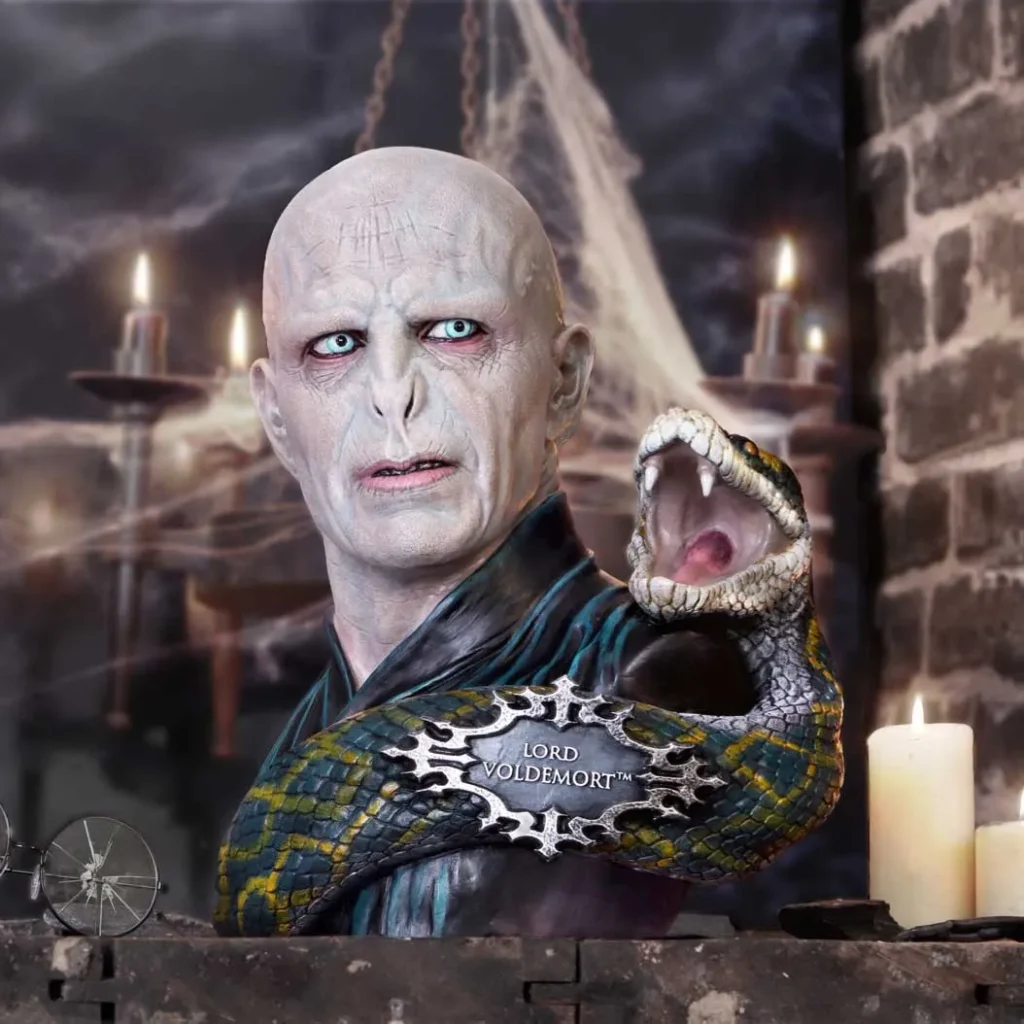
One of the biggest reasons people choose licensed merchandise is accuracy. Fans notice details. A house crest in the wrong shape, a slogan in the wrong font, or artwork that feels slightly off can turn a brilliant idea into a disappointing gift.
Officially licensed merchandise products are typically reviewed against brand guidelines, so they are more likely to get those details right. The colours are closer to the original source material. The symbols and logos look as they should. The design feels part of the fandom rather than a loose imitation of it.
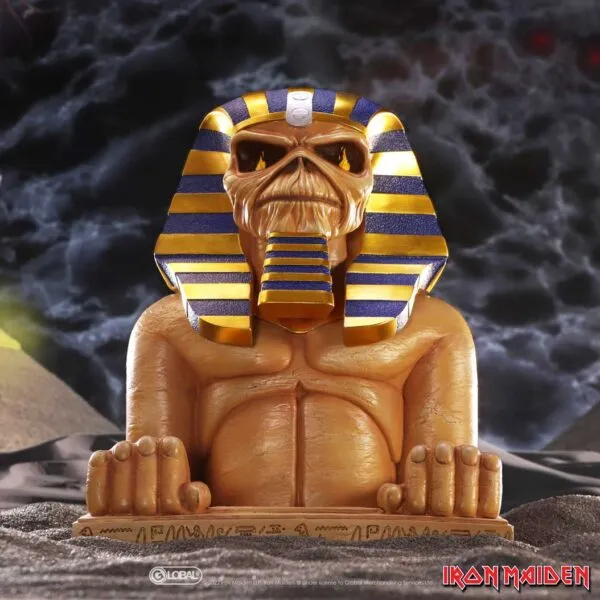
That is especially important for visually strong franchises. If you are buying for someone who loves the gothic drama of Wednesday, the fantasy atmosphere of The Lord of the Rings, or the bold iconography of AC/DC, design accuracy is part of the appeal. The right item should feel like it belongs on the shelf, in the kitchen or on display with pride.
Quality tends to be more reliable
Licensed does not automatically mean premium, but it often means the product has gone through more checks before reaching the customer. That can show up in clearer printing, better packaging, more durable finishes and a stronger overall sense that the item was made to be sold, used and enjoyed – not rushed out to catch a trend.
For gifting, that reliability is a big part of the value. A candle holder, notebook, mug or collectable figure should not feel like a gamble. If you are buying for a birthday, Christmas, Halloween or a just-because surprise, you want the product to arrive looking presentable and true to the listing.
This is one reason curated retailers matter as much as licensing itself. A good shop does not simply stock anything with a logo on it. It chooses pieces that actually feel giftable, display-worthy or collectable, which makes the whole experience better for the customer.
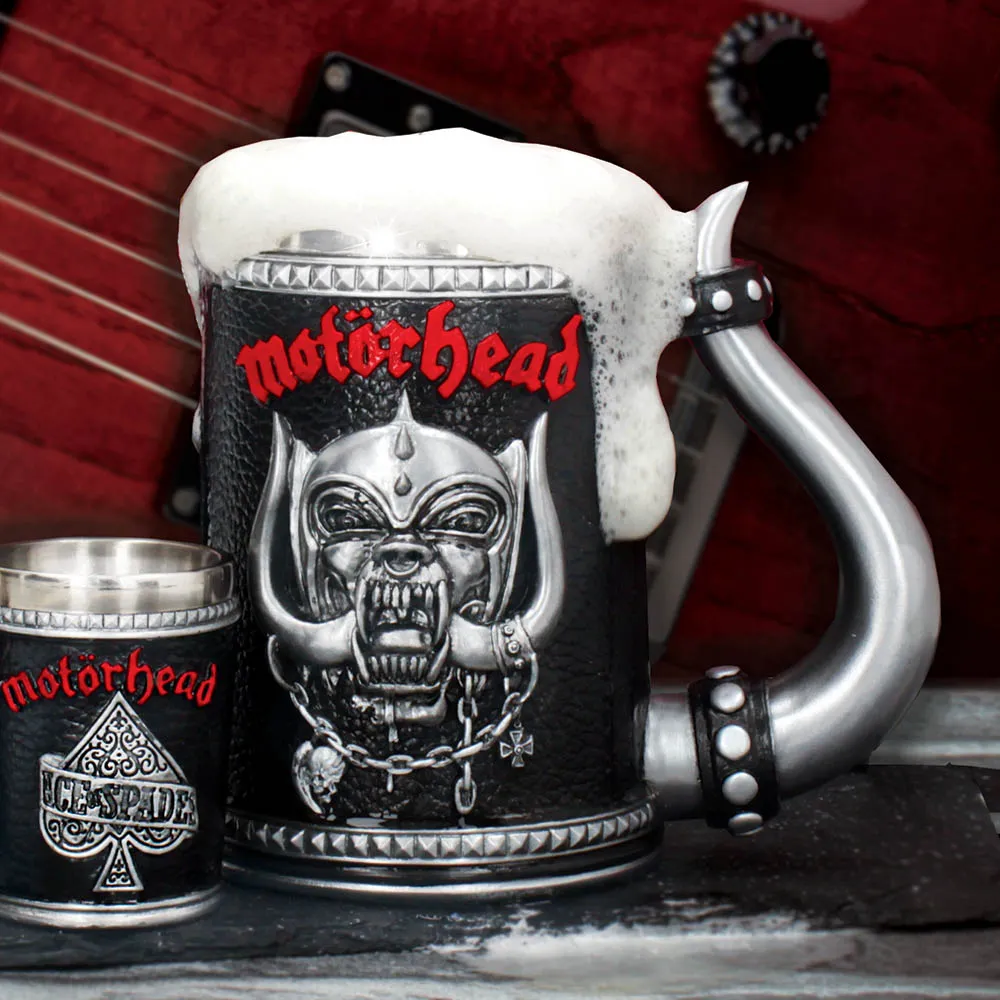
Licensed merchandise respects the fandom
There is a difference between merchandise that celebrates a story and merchandise that merely borrows from it. Officially licensed merchandise products usually sit on the first side of that line. They are part of a wider relationship between the franchise and the makers producing the goods.
For fans, that respect counts. It means the product exists with permission, and in many cases with creative oversight. It suggests that the item is intended to represent the world properly, not just mimic enough of it to make a quick sale.
That can make a surprising difference to how a piece feels in your home. A licensed Harry Potter mug on a shelf with your favourite books or a properly branded Stranger Things item in a themed room feels like part of the story you love. A knock-off often feels temporary, even if you cannot quite explain why.
Why buy officially licensed merchandise for gifts?
Because gifts land better when they feel thoughtful and genuine. If you are shopping for somebody with strong tastes, whether they are into fantasy, metal, gothic décor, magical touches or cult TV favourites, the last thing you want is a present that feels generic.
Officially licensed merchandise tends to carry more confidence as a gift. It tells the recipient that you picked something real, not a rushed imitation. That is particularly useful when buying for collectors, teenagers deep in a fandom phase, or adults who have loved the same franchise for years and can spot a fake immediately.
There is also less awkwardness around presentation. Packaging is often cleaner, branding is more polished, and the item generally feels more complete. When a gift has charm and legitimacy, it rarely needs much explaining.
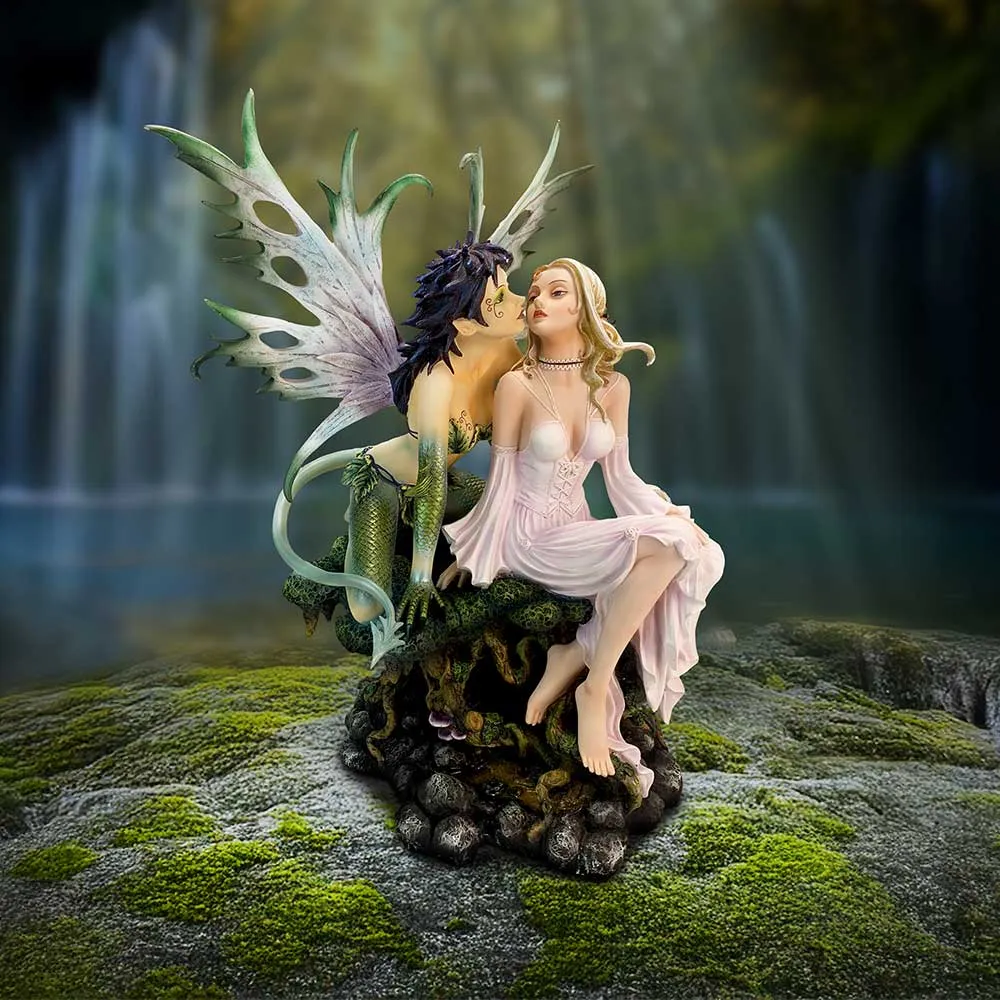
It can hold collector appeal for longer
Not every licensed item becomes rare or valuable, and it is best not to treat every mug or figurine as an investment piece. Still, officially licensed merchandise often has better long-term collector appeal than unlicensed alternatives.
Part of that comes down to provenance. Collectors like knowing where an item came from and whether it was released as part of an approved range. Limited runs, themed collections and franchise-specific releases are more meaningful when they are officially tied to the property.
Even if resale value is not the point, collectability still matters. Plenty of people build shelves, seasonal displays or room themes around favourite worlds. In that context, licensed pieces usually sit together more naturally. They feel like part of a curated collection rather than a bundle of similar-looking objects from random sources.
There is an ethical and practical side too
When you buy officially licensed merchandise, some of that value flows back through the proper channels. Depending on the product and agreement, licensing helps support the brands, creators and rights holders behind the worlds people love. For many fans, that matters.
It is also a practical way to avoid the usual problems that come with copied goods. Unlicensed products can be inconsistent, poorly finished or misleading in listings. Sometimes the photo looks brilliant and the product that arrives feels like a distant cousin. Licensed ranges are not immune from disappointment, but the baseline is usually safer.
That is especially useful when shopping online. You cannot hold the item before buying, so signs of legitimacy help reduce the guesswork.
When it depends
There are a few trade-offs worth mentioning. Officially licensed merchandise can cost more than unlicensed alternatives, and that extra cost is not always dramatic but it is often there. If you are simply after a fun novelty item with no collector interest, you might wonder whether the difference is worth it.
For some buyers, the answer will be no. If price is the only factor, a cheaper unofficial product may seem tempting. But if design accuracy, gifting confidence, collectability and better overall presentation matter, licensed usually earns its place.
It also depends on the type of item. For display pieces, collectables and themed gifts, official licensing tends to matter a great deal. For very simple novelty products, the gap might feel smaller. Even then, fans usually notice the difference more than casual shoppers expect.
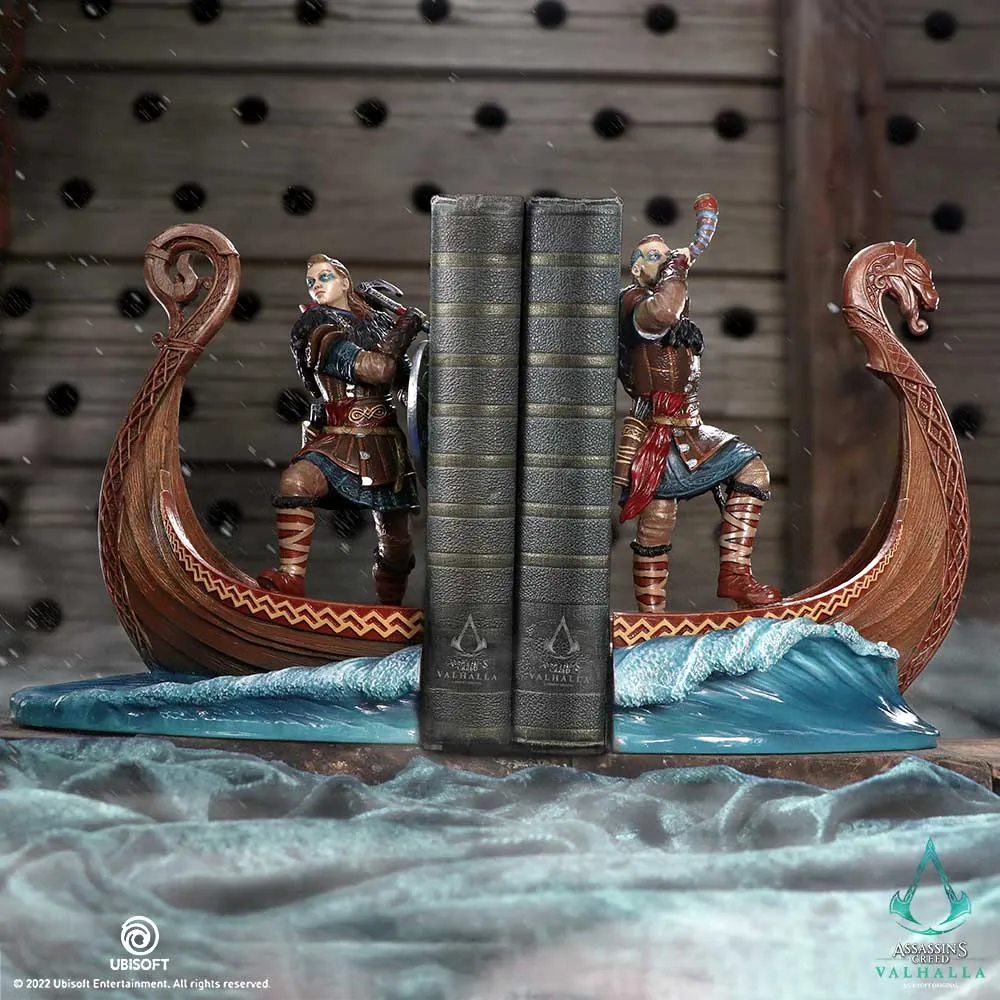
Choosing Officially licensed merchandise well
The smartest approach is not just buying licensed – it is buying licensed products that suit the person and the moment. A dramatic goblet, an atmospheric candle accessory, a bold band mug or a character-led notebook can all be great choices, but the best one is the one that matches the recipient’s taste.
That is where curation comes into its own. A well-chosen range makes it easier to find merchandise that feels personal rather than mass-produced. At The Hidden Hatch, that is part of the appeal: officially licensed fandom finds sitting alongside magical gifts, gothic pieces and collectables with real personality. The result feels less like trawling through generic stock and more like finding something with a story attached.
If you have ever opened a parcel and instantly known it was the right piece, you already understand the value here. Officially licensed merchandise is not only about logos and permissions. It is about buying something that feels true to the world it came from and right for the person receiving it. That little bit of extra certainty can turn a simple purchase into something worth keeping.
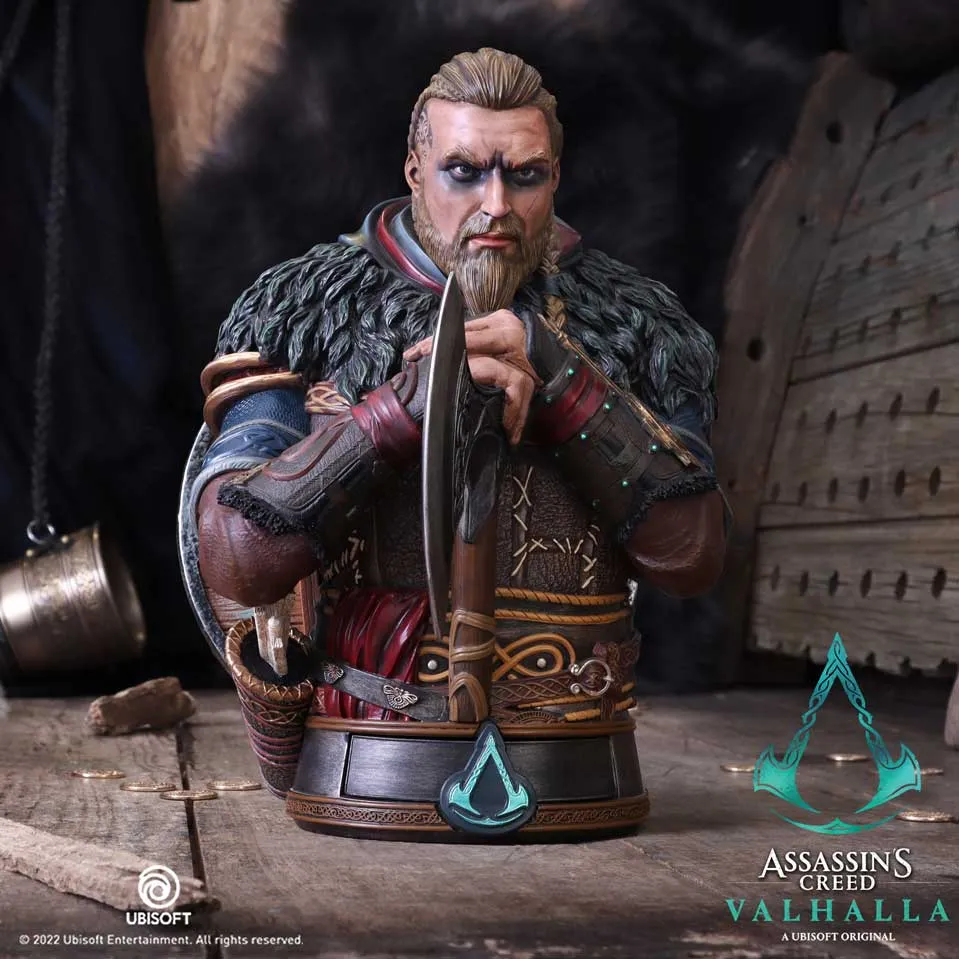
Officially Licensed Merchandise vs. Unlicensed Alternatives
Understanding the difference between legitimate officially licensed merchandise and unauthorised lookalikes is crucial for protecting your money, your collection, and the creators behind the brands.
| Feature | Officially Licensed Merchandise | Unlicensed / Counterfeit Goods |
| Definition | Goods produced with formal legal permission from the intellectual property (IP) owner. | Goods produced without authorisation, often copying logos, characters, or brands. |
| Quality Control | Strict manufacturing oversight; must pass rigorous safety and material standards. | Little to no oversight; frequently uses inferior plastics, toxic dyes, or poor stitching. |
| Creator Support | A direct percentage of sales (royalties) goes back to the original creators/studios. | 100% of the profits go directly to unauthorised third-party manufacturers. |
| Authenticity Marks | Features official holographic stickers, branded tags, and specific copyright text. | Lacks official tracking; tags are often generic, blurred, or missing copyright years. |
| Collectibility Value | Retains or increases in financial value over time on the secondary collectors’ market. | Holds zero resale or investment value; widely considered worthless by collectors. |
Frequently Asked Questions: Understanding Officially Licensed Products
Q: What exactly does the term “officially licensed products” mean?
A: Officially licensed products are goods that a manufacturer has been granted formal, legal permission to produce by the owner of the intellectual property (such as a sports league, movie studio, video game developer, or artist). This relationship is bound by a licensing agreement, ensuring the product accurately and legally represents the brand.
Q: How do royalties work with officially licensed merchandise?
A: When a company manufactures officially licensed merchandise, they pay a licensing fee or a percentage of every sale—known as a royalty—back to the original brand or creator. For example, when you buy a licensed high-end collectible statue, a portion of your purchase directly funds the creators, writers, and artists who built that franchise.
Q: Why are officially licensed products usually more expensive than unlicensed ones?
A: The price difference reflects the premium costs built into legitimate production. Licensed products must pay for the rights to use the brand, utilise high-grade food-safe or consumer-safe materials, and undergo intensive quality assurance checks by the IP holder. Unlicensed goods are cheap because bootleggers cut corners on materials, bypass safety tests, and pay nothing to the original creators.
Q: How can a consumer spot a bootleg vs. an officially licensed product?
A: Look for these three primary indicators:
- The Hologram/Sticker: Most major brands (like Marvel, Disney, or football clubs) include a shiny, serialised holographic sticker or a textured tag on the packaging.
- The Copyright Line: Genuine products will always feature a crisp micro-print stamp showing the exact copyright year and the registered owner (e.g., © 2026 Square Enix. All Rights Reserved).
- The Retail Source: Authorised distributors and legitimate e-commerce registries rarely hide their supplier origins. If a product is missing its original box or is sold on a questionable discount site, it is highly likely unauthorized.
Q: Can an unlicensed product damage a collector’s community?
A: Absolutely. When the market is flooded with unauthorised reproductions, it dilutes the value of genuine collections. More importantly, it siphons critical revenue away from the core businesses, which can lead to studios canceling product lines, pulling licenses, or reducing the development of new merchandise.
Q: Is it illegal to buy or sell unlicensed goods?
A: While consumer laws generally focus on penalising the sellers and manufacturers of unauthorised goods (who face severe fines, asset-seizure, and criminal fraud charges under intellectual property laws), knowingly purchasing counterfeits carries major risks. Customs border agencies routinely seize and destroy imported unlicensed packages, leaving the buyer completely out of pocket.