
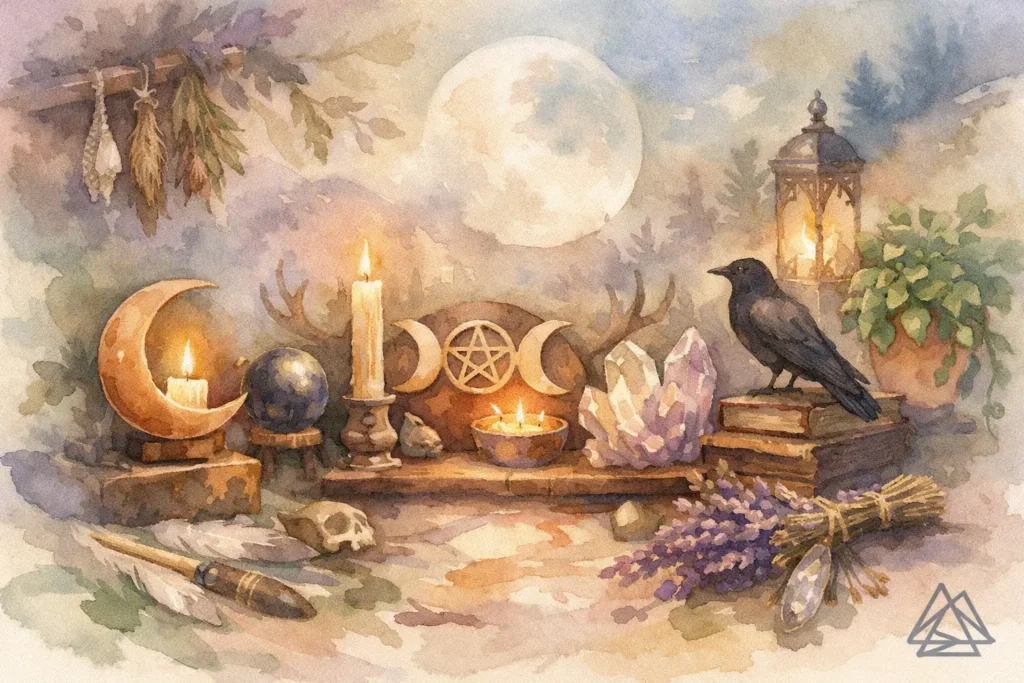
Some rooms look styled. Others feel inhabited by a point of view. That is where pagan home decor really shines – not as a costume, not as a one-month Halloween phase, but as a way of filling a space with meaning, ritual and a bit of mystery.
The best part is that it does not need a dedicated witchy tower, a black-painted cottage or shelves groaning under crystals to work. A flat, student room, first house or cosy reading corner can all carry the look beautifully. The trick is choosing pieces that feel symbolic, atmospheric and genuinely you, rather than piling on every moon-and-raven motif you can find.
What makes pagan home decor feel right
Good pagan home decor styling sits somewhere between spiritual, natural and collected. It often draws on the seasons, the moon, folklore, woodland imagery, candles, herbs and meaningful symbols. But there is no single rulebook, which is part of the appeal. One person leans earthy and rustic with oak tones, dried botanicals and altar cloths. Another goes darker with gothic candle holders, black ceramics and silver moon phases. Both can feel authentic.
That is worth keeping in mind if you are shopping for yourself or hunting for a gift. The strongest spaces usually have a clear mood. They do not try to do everything at once. If your taste is more enchanted forest than occult cabinet, follow that. If you prefer something richer and more dramatic, let the darker details lead.
Start with atmosphere, not clutter
Not every home has space for a full altar or a dramatic statement wall. Small areas are often where this look works best. A bedside table, bookshelf, mantelpiece or hallway console can become a miniature focal point with very little effort.
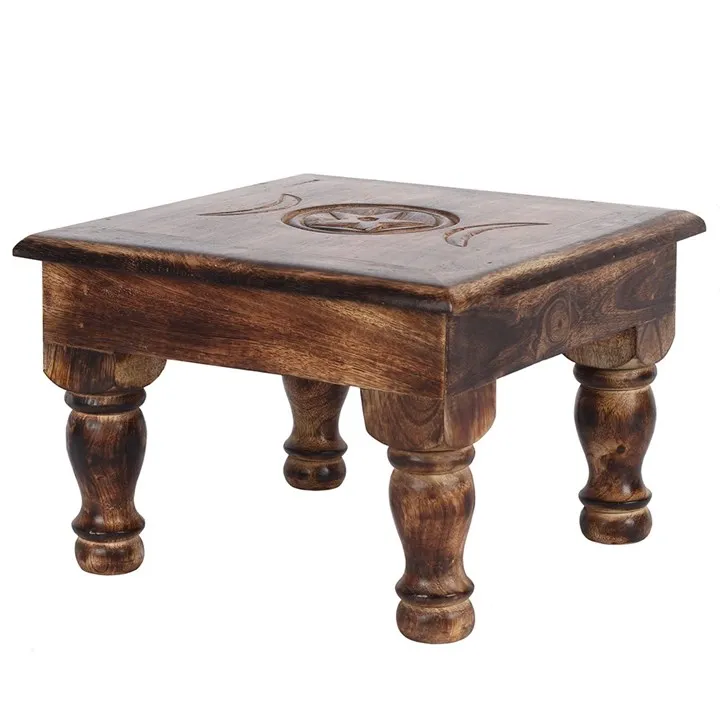
A lot of pagan home decor goes wrong when every surface gets treated like a market stall. Atmosphere matters more than volume. A single oil burner with a beautiful silhouette, a pair of candle holders, and one striking wall hanging can do more for a room than ten unrelated trinkets.
Begin with the senses. Soft light is usually the quickest win. Candles, tealight holders and lantern-style pieces change a room instantly, especially in the evening. They make a space feel ceremonial without becoming theatrical. Incense burners and oil burners add another layer, especially if you like your home to feel calm, smoky, resinous or seasonal.
Texture matters too. Natural wood, stone-effect finishes, ceramic pieces, velvet touches and woven textiles all sit well in this style. Too much shiny plastic can flatten the mood, so it helps to mix in materials that feel a little older, rougher or more grounded.
Pagan home decor for shelves, tables and small corners
Candles are the obvious starting point, but they work best when they are framed. Put them beside a small dish, a decorative trinket box, a moon-shaped ornament, a hanging bell, or a figurine with woodland or folkloric character. That mix feels curated rather than accidental. If you collect pieces over time, even better – pagan interiors tend to suit homes that look gathered, not bought in one sweep.
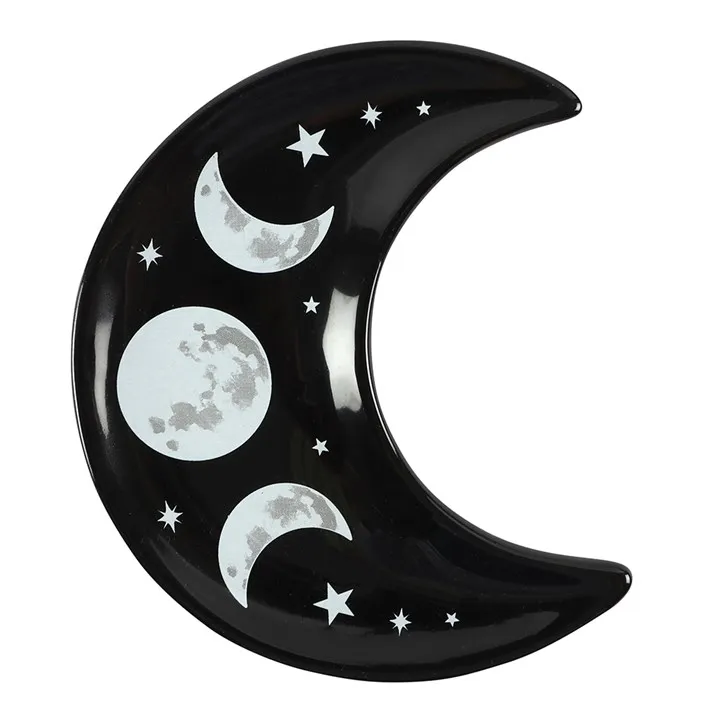
A tray can help anchor smaller objects and stop them looking scattered. On one tray, you might group a small incense holder, a crystal-style ornament, a candle and a little seasonal touch such as pinecones in winter or dried flowers in spring. It keeps the arrangement neat while still feeling expressive.
If you are working with open shelving, leave breathing room. The eye needs quiet space between objects. One shelf can hold practical items like mugs, jars or books, while another carries the more decorative side of the theme. That balance stops the room feeling too staged.
Symbolism without overdoing it
Symbols are a huge part of the appeal. Moons, suns, pentagrams, triple moons, ravens, hares, snakes, trees and herb motifs all have their place in pagan-inspired interiors. But whether they feel elegant or overblown depends on how they are used.

Repeating one or two symbols throughout a room usually works better than mixing every magical motif available. If you love lunar styling, echo moon phases through a wall plaque, a mug, and a candle holder. If you prefer a woodland feel, focus on leaves, antlers, forest creatures and natural textures. Repetition creates cohesion.
There is also a difference between sacred and decorative use, and that depends on the person. Some shoppers want pieces that connect with their practice. Others simply love the aesthetic. Neither approach is wrong, but it is worth being honest about what you want from your space. If a symbol carries real meaning for you, give it room and intention. If it is mainly part of the visual theme, style it with a lighter touch.
Bringing in the seasons
Seasonality suits pagan interiors beautifully because the style already draws so much from nature’s rhythm. This does not mean storing your whole home every few months. It means letting a few details shift with the wheel of the year, the weather or simply your mood.
Autumn is the easiest entry point and probably the most recognisable. Rich orange, deep green, plum and black look especially good with candlelight, pumpkins, ravens and gothic tableware. Winter can lean quieter – evergreen touches, darker woods, stars, moons and warm metallics. Spring suits florals, softer greens and lighter altar cloths, while summer can carry sun motifs, herbs, brighter botanicals and natural straw or wicker textures.
This is one of the reasons the look stays interesting. It is not static. A pagan-inspired home often feels alive because it changes. Even swapping one centrepiece bowl, table runner or incense burner can shift the whole tone of a room.
The giftable side of pagan styling
Pagan home decor also works brilliantly as a gift category because it feels personal without being too difficult to buy. A candle holder, oil burner, decorative mug, incense set or symbolic ornament can suit someone’s taste immediately, even if you are not shopping for a full room makeover.
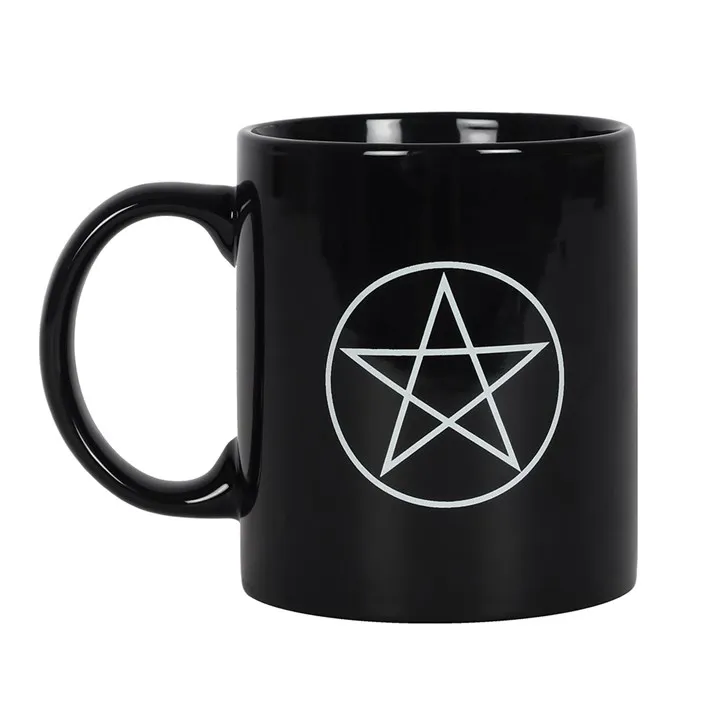
That is especially true when the item has character. The best gifts in this space do not feel generic or mass-produced. They feel like something chosen for a person who has a point of view – someone who likes folklore, fantasy, gothic interiors, magical details or just a home with more soul than the high street usually offers.
This is where curated shops earn their place. A store like The Hidden Hatch works well for this kind of shopping because the range is not trying to be blandly universal. It is built around themed discovery, so you are more likely to find decor that feels collectible, expressive and actually gift-worthy.
Mixing pagan decor with other styles
You do not have to commit to a full alternative interior for this look to work. In fact, pagan home decor often looks better when it is mixed with your existing style. A modern neutral room can gain depth from darker candle holders and mystical accents. A cottage-style space can take woodland and herbal elements naturally. Even a fandom-heavy room can carry magical decor if the pieces share the same mood.
That mix is often what makes a home memorable. Licensed fantasy pieces, gothic tableware, autumnal candles and folklore-inspired ornaments can sit together surprisingly well if the colours and materials are consistent. The common thread might be dark academia, enchanted forest, medieval tavern, or witchy autumn rather than one strict category.
It also helps the room feel lived in. Homes with personality rarely follow one label perfectly. They borrow. They collect. They tell on you a bit.
A few choices that make the biggest difference
If you are building the look from scratch, start with lighting and scent, then add one symbolic object and one textile element. That combination gives you warmth, theme and texture quickly. If you already have those basics, look at your surfaces. A decorative tray, altar cloth, small figurine or unusual mug can give an ordinary shelf more intention.
Wall decor is worth choosing carefully. One strong piece is usually enough in a small room to start your pagan home decor journey. The same goes for statement ornaments. If everything is trying to be the centrepiece, nothing wins. Let one or two items carry the drama, then support them with quieter details.
And if you are buying for someone else, think less about whether the item is obviously pagan and more about whether it suits their version of the aesthetic. Some people want moon phases and pentagrams. Others want woodland creatures, herbs and candlelight. The overlap exists, but the mood can be very different.
The most convincing pagan-inspired spaces are not built by following a checklist. They come together through instinct, symbolism and pieces that feel a little bit treasured. If your home starts to feel warmer, stranger, calmer or more like your own private world, you are probably getting it right.