
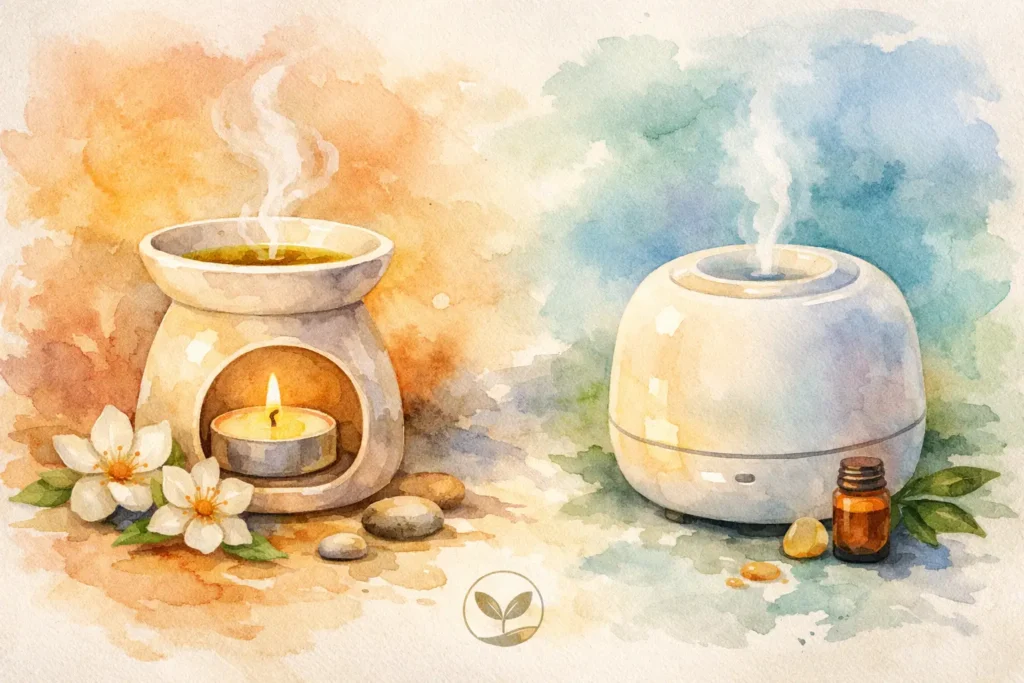
That moment when you spot the perfect tealight burner or oil / wax burner is usually about more than fragrance. It is about mood, shelf appeal, and whether you want your home to feel a bit more cosy, mystical, gothic or quietly magical. When it comes to tea light burners vs electric, the right choice depends less on which one is “better” and more on how you actually like to enjoy scent at home.
Some people want the soft flicker of a live flame and the ritual of lighting a burner in the evening. Others want fragrance without the fuss, especially in busy homes where convenience matters. Both options earn their place, but they create slightly different experiences.
Tealight burner vs oil / wax burner: the real difference
At the simplest level, a tea light burner uses a small candle to heat wax melts or fragrance oils, while an electric burner uses mains power. That practical difference changes quite a lot about how each one feels in daily use.
A Tealight burner tends to bring atmosphere first. There is a traditional charm to them that suits characterful interiors, autumn styling, gothic corners, and themed displays. If your burner is part of your décor as much as your scent setup, a tea light design often feels more expressive. It has that old-school, tucked-away-in-a-curio-cabinet appeal.
A wax burner leans more towards ease. You switch them on, enjoy the fragrance, and switch them off again. There is no need to keep tea lights in stock, no flame to monitor, and usually less mess around replacing candles. For many people, that convenience makes electric the everyday option.
Neither is automatically right for everyone. The better question is what kind of home fragrance experience you want.
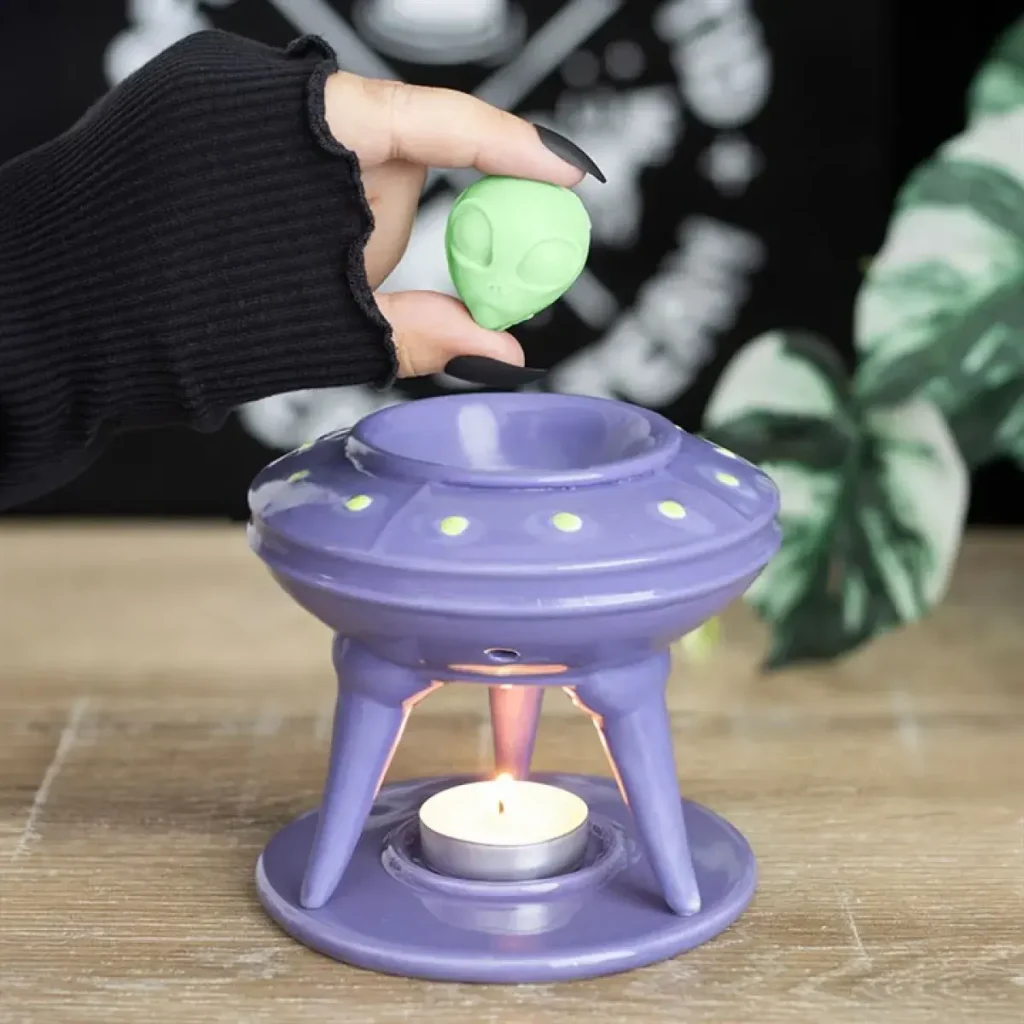
Why a tealight burner still has so much appeal
Tea light burners have never really lost their charm because they offer something electric models cannot fully copy – atmosphere. The flicker underneath the dish gives the whole setup a softer, more decorative feel. If you enjoy winding down in the evening with candles glowing around the room, a tea light burner fits naturally into that ritual.
They also tend to suit shoppers who care about design personality. Ceramic, gothic, seasonal, fantasy-inspired or witchy styles often feel especially at home as tea light burners because the live flame adds drama. A burner can feel less like an appliance and more like a small collectable piece for a shelf, side table or reading nook.
There is also something satisfying about the simplicity. No plug sockets, no cords, no switches. Just the burner, your chosen wax melt or oil, and a tea light. If you like changing scents to match the season, your mood, or even your favourite fandom-inspired corner of the house, tea light burners make the whole process feel a touch more special.
That said, they do ask a bit more of you. You need to light them, supervise them, and remember that the bowl can heat up quickly. If you are after a low-effort fragrance option for every day, the romance may not always outweigh the practical bits.
Where a oil / wax burner comes into its own
Electric oil / wax burners are ideal when convenience is the main priority. If you want fragrance while working from home, tidying, reading, or just going about your evening without thinking too much about it, electric models are easy to live with.
They are often a strong choice in homes where open flames are less appealing. That might mean households with children, curious pets, or simply anyone who would rather not keep an eye on a candle. You still get the fragrance experience, but with fewer moving parts.
Another plus is consistency. Depending on the model, electric burners can provide steadier heat than a tea light. That can help some wax melts release fragrance more evenly rather than going from very strong to fading fast. If you prefer a more controlled scent throw, electric can be appealing.
Style-wise, electric burners have improved a lot. They are no longer purely functional, plain pieces hidden in a corner. Many now feel decorative enough to work with themed interiors, especially if you prefer a cleaner or more modern look. Even so, they usually do not deliver quite the same ambience as a flame-lit burner.
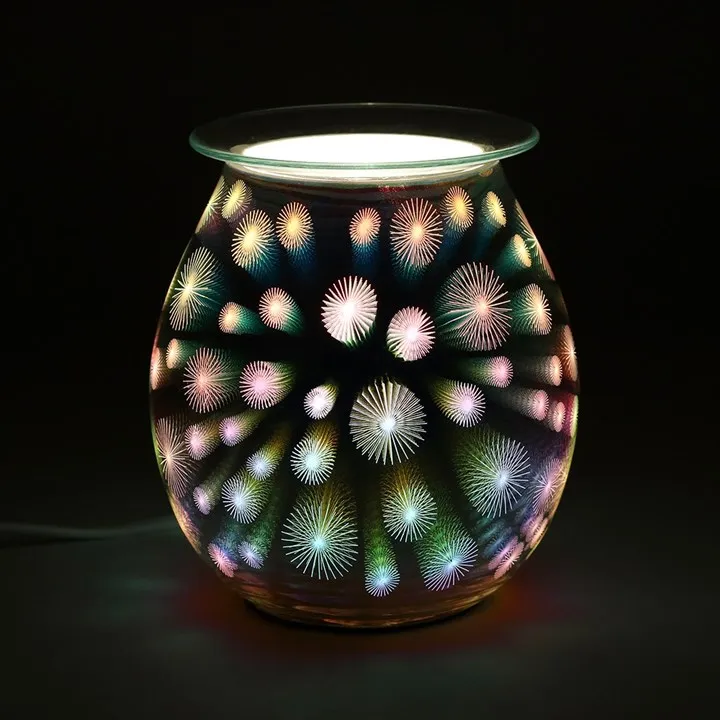
Scent throw: which one smells stronger?
This is where the answer gets a bit less tidy. In the tea light burner vs electric wax burner debate, scent strength depends on the burner design, the size of the bowl, the wax melt or oil itself, and how much heat is being produced.
A tea light burner can create a surprisingly strong scent throw, especially if the flame sits close to the dish and heats the wax quickly. For people who like fragrance to be noticeable fairly fast, that can be a big plus. The downside is that too much heat can burn through the scent more quickly, so the fragrance may fade sooner.
An electric oil / wax burner often warm more gently. That can mean a slower start, but sometimes a longer-lasting fragrance experience. If you prefer a room to smell pleasant rather than intensely perfumed, electric may feel more balanced.
So if your top priority is bold scent quickly, a tea light burner may edge ahead. If you would rather have a steadier, lower-maintenance release, electric often wins.
Cost, upkeep and day-to-day use
Tea light burners are usually the simpler buy upfront. The burner itself is often affordable, and there is a huge variety of designs. If you love collecting seasonal or themed pieces, this matters. It is easier to justify picking up a burner for Halloween, one for a magical aesthetic, and another that suits everyday décor when the entry cost is lower.
But the running cost sits in the tea lights. If you use your burner regularly, you will keep buying candles, and that adds up over time. You will also need to clear out melted wax or oil residue and handle hot components carefully.
Electric burners may cost more at the start, but they can feel simpler long term. You are not buying tea lights, and the process is often tidier. Plug in, warm the wax, let it cool, clean when needed. For frequent use, that convenience can make a genuine difference.
The choice often comes down to whether you want a decorative object with a little ritual attached, or a practical fragrance tool that slips into everyday life.
Which suits your style of home?
If your home leans cosy, electric, alternative or richly themed, tea light burners often feel more in character. They suit dark florals, fantasy décor, cottagecore touches, moon-and-stars styling, and spaces filled with collectables. They also make lovely gifts because they feel personal and display-worthy even when not in use.
Electric wax burners suit cleaner styling, busier routines, and homes where fragrance is important but candles are less convenient. They can also work well in spaces where plug-in décor already feels normal, such as a home office or kitchen corner.
For gift buying, tea light burners tend to have slightly more theatre. They feel more like a charming object to unwrap and display. Electric burners can still be a thoughtful present, especially for someone practical, but they are often chosen more for function than for drama.
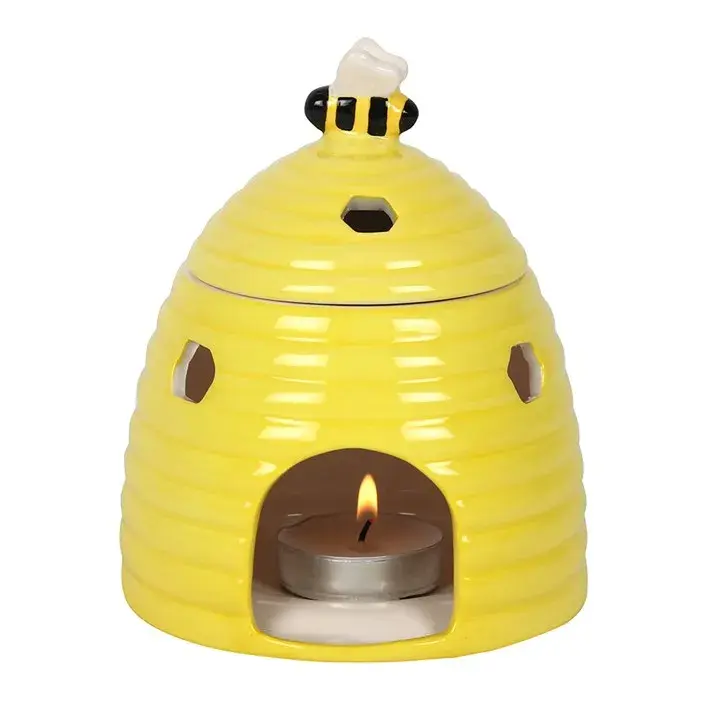
Tea light burner vs electric oil / wax burner for gifts
If you are choosing for someone else, think beyond scent and focus on personality. A tea light burner suits people who enjoy creating a mood, styling their space, or collecting decorative home pieces with a bit of story behind them. It feels especially right for fans of magical, gothic or seasonal interiors.
An electric burner is often better for someone who loves fragrance but prefers easy, low-fuss routines. It can also be the safer gift if you know they avoid candles or want something straightforward for daily use.
This is where curated shopping matters. The best burner is rarely just the one with the best specs. It is the one that matches the recipient’s taste, habits and home. A beautifully chosen burner can feel less like a household item and more like part of their world.
So which should you choose?
Choose a tea light burner if you want atmosphere, decorative charm and that little ritual of lighting a flame at the end of the day. Choose electric if convenience, consistency and peace of mind matter more.
For some people, the honest answer is both. A tea light burner for evenings when you want your space to feel special, and an electric burner for everyday fragrance without the extra steps. They are not strict rivals so much as two different ways to enjoy scent, each with its own personality.
If your home fragrance choices are part of how you express your style, it is worth picking the option that feels right as well as works well. The best burner is the one you will genuinely enjoy using, whether that means candlelit drama or a simple switch-on glow.
Tealight Burner vs. Electric Oil / Wax Burner
While both methods are designed to fill your space with fragrance, they operate with different “engines.” Here is a breakdown of how they compare.
| Feature | Tealight Burner (Traditional) | Electric Oil / Wax Burner (Modern) |
| Heat Source | Open flame (tealight candle) | Heating element or light bulb |
| Fragrance Intensity | High: Higher heat releases scent faster. | Moderate: Lower, consistent heat. |
| Safety | Requires supervision (open flame). | Safer for households with pets/children. |
| Portability | High: No wires needed. | Limited: Requires an electrical outlet. |
| Cost | Low initial cost; ongoing cost for tealights. | Higher initial cost; low ongoing cost. |
| Aesthetic | Flickering flame creates a “cozy” vibe. | Often serves as a decorative lamp/nightlight. |
QandA: Choosing Your Glow
Which one makes the fragrance last longer?
Electric burners generally win on longevity. Because they operate at a lower, more consistent temperature than a flickering flame, the essential oils in the wax evaporate more slowly. A tealight burner provides a “punchier” scent but will burn through the fragrance life of the wax more quickly.
Are tealight burners better for large rooms?
Often, yes. Because a tealight flame generates more heat than most electric bulbs, it can melt a larger pool of wax faster, creating a stronger “scent throw” that can fill an open-plan living area or a high-ceilinged room more effectively.
Can I use any wax melt in either burner?
Generally, yes, but check the thickness of the wax. Some very hard paraffin waxes require the higher heat of a tealight to melt completely, while softer soy waxes perform beautifully in electric warmers.
What is the biggest safety concern with tealight burners?
Beyond the obvious open flame, overheating is a risk if the “well” (the dish where the wax sits) is too close to the flame. Always ensure there is at least a 10cm gap between the tealight and the wax dish to prevent the wax from scorching or the ceramic from cracking.