
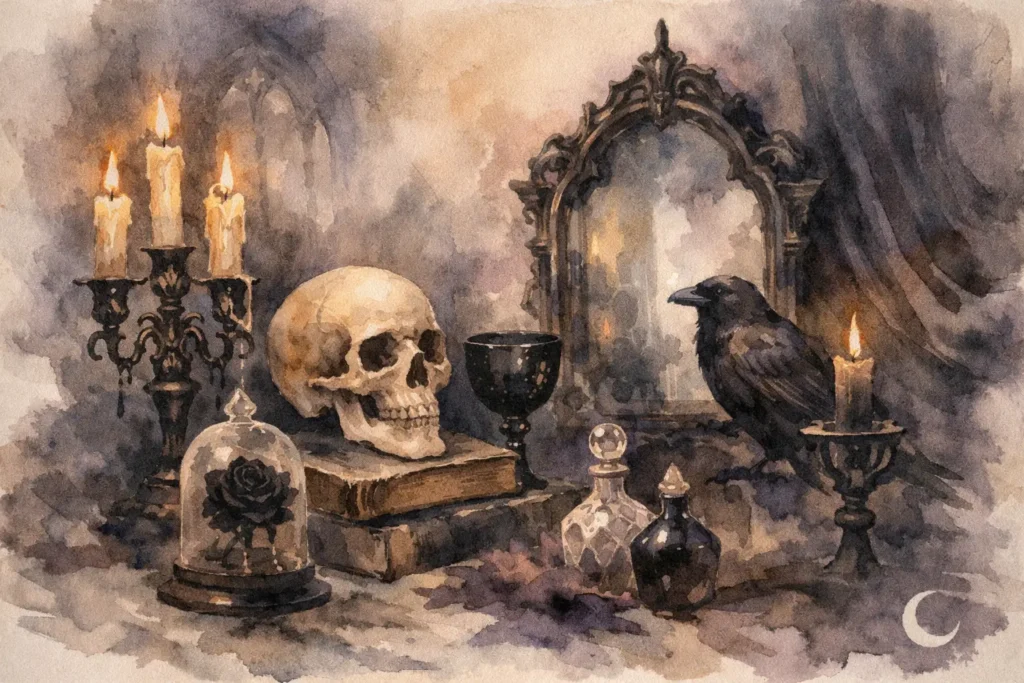
A black ceramic mug beside a flickering candle, a raven watching from a shelf, an incense burner that looks as though it belongs in an old apothecary – these are the details that turn an ordinary room into something with a story. So, what are gothic home accessories? They are decorative and practical pieces that bring the drama, mystery and romantic darkness of gothic style into everyday spaces.
They need not make a home feel like a haunted house, unless that is precisely the look you want. Gothic accessories can be theatrical, elegant, magical, macabre or quietly atmospheric. The appeal lies in choosing objects that feel personal: something beautiful enough to display, useful enough to enjoy, and interesting enough to start a conversation.
What Are Gothic Home Accessories?
Gothic home accessories are smaller décor pieces and household items inspired by gothic art, architecture, folklore and alternative culture. Think ornate detailing, deep colours, celestial symbols, skulls, ravens, bats, potion-bottle shapes, forest creatures and antique-style finishes. They may also draw on witchy, pagan, Victorian, medieval or Halloween-inspired themes.
Unlike a full decorating scheme, accessories let you add this character without replacing furniture or painting every wall black. A single moon-phase trinket dish, dark floral cushion or striking oil burner can shift the mood of a bedside table, reading nook or mantelpiece. For renters, students or anyone who enjoys changing their décor with the seasons, that flexibility is part of the charm.
Gothic does not mean one fixed style. A dramatic black-and-silver look suits one person, while another may prefer warm burgundy, aged brass and woodland motifs. The shared thread is a love of mood, symbolism and objects with a little more presence than standard homeware.
The Pieces That Create a Gothic Look
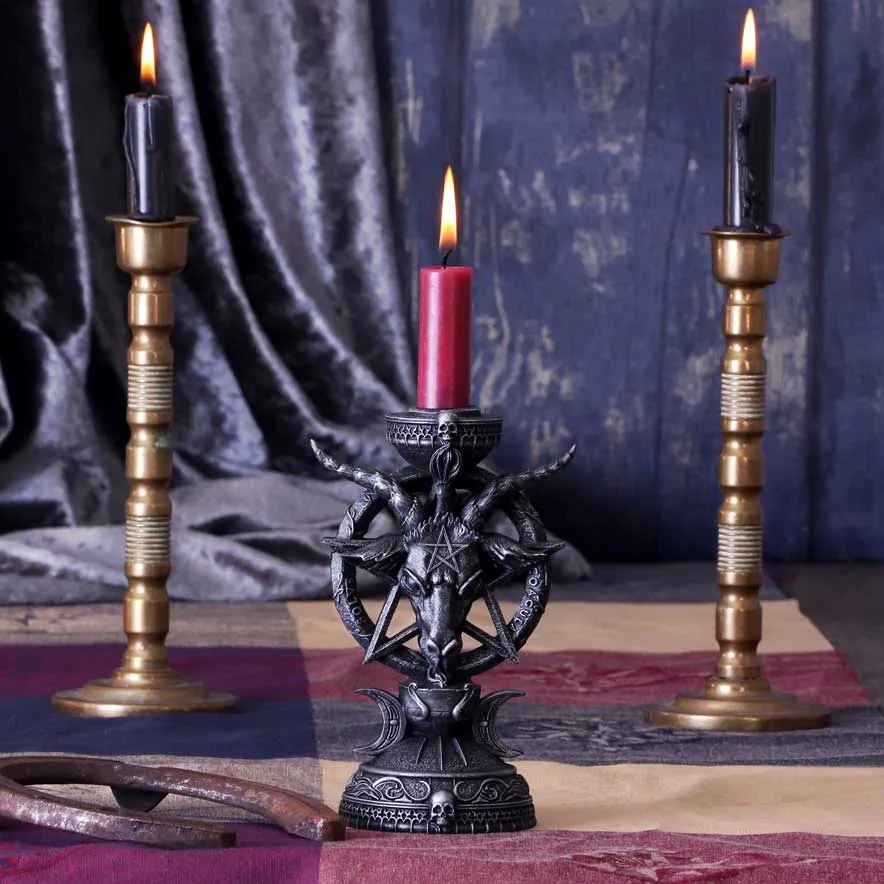
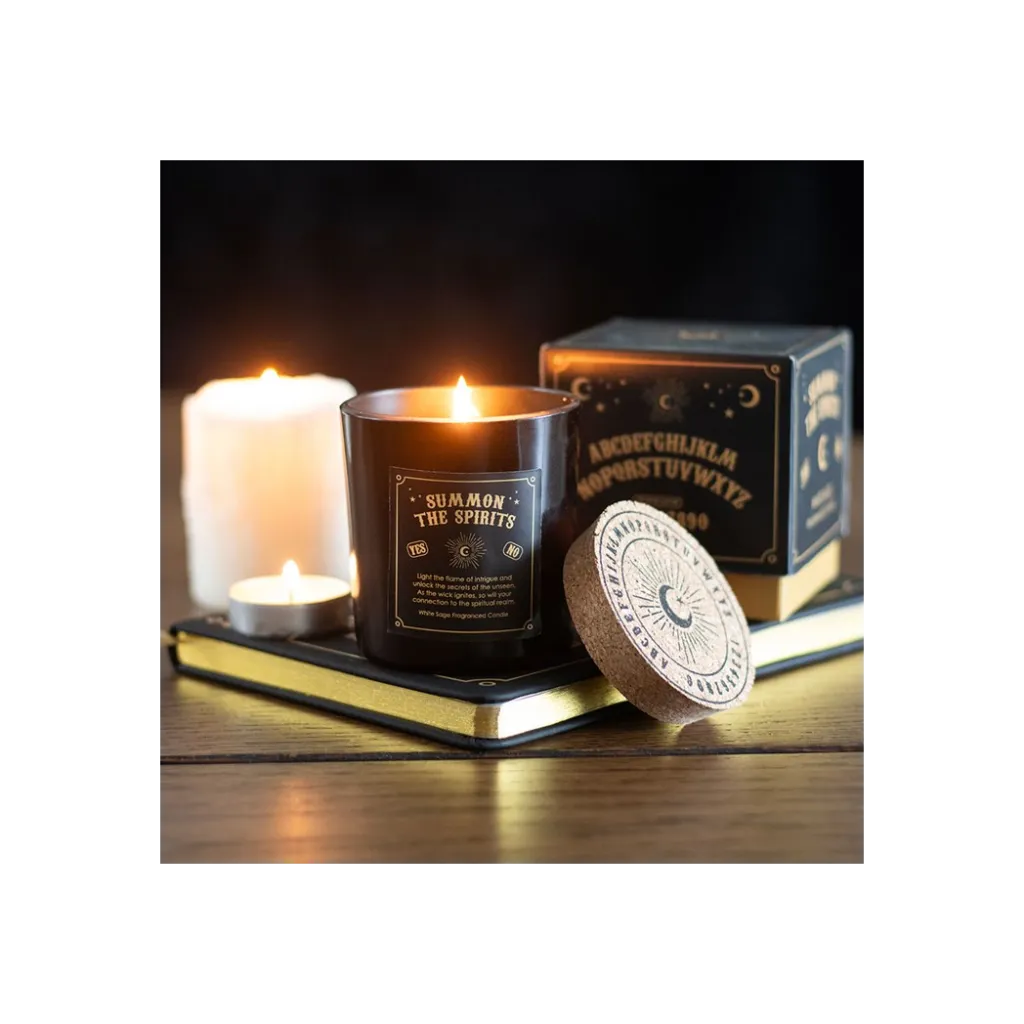
Candles and incense are often where a gothic room begins. A sculptural candle holder, skull-shaped tealight holder or black metal lantern adds atmosphere even before it is lit. Pair it with a scent that feels rich and comforting, such as amber, sandalwood, patchouli or warm spice, and a room can feel more inviting rather than simply dark.
Oil burners and incense burners are especially popular because they combine ritual with decoration. A crescent moon burner, a gothic arch design or a small cauldron-shaped piece earns its place on a shelf while also making quiet evenings feel more intentional. As with any home fragrance item, choose a stable surface, follow the safety guidance and keep flames well away from pets, curtains and clutter.
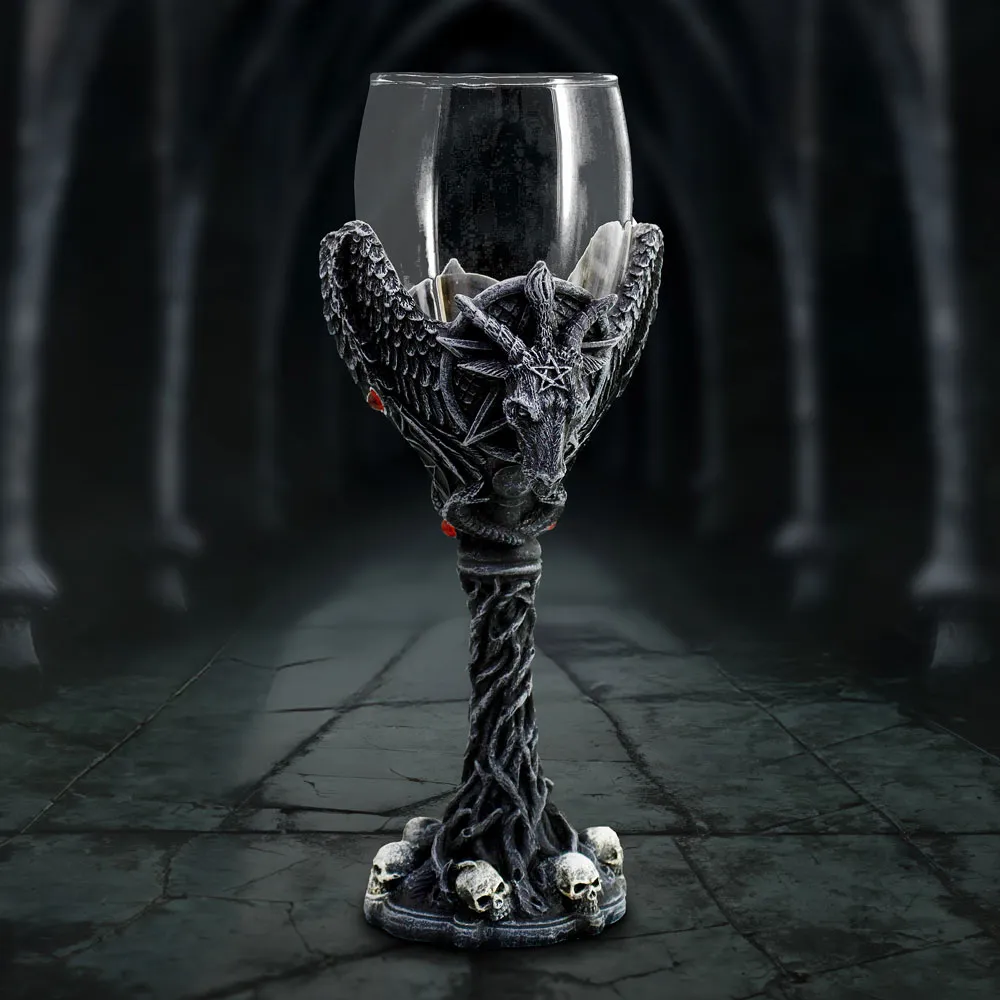
Tableware is another easy route into the aesthetic. Gothic mugs, goblets, coasters and serving pieces make a daily cuppa feel less ordinary. You can go all in with black ceramic, ornate borders and skull motifs, or use one statement mug among otherwise simple pieces. This is also where gothic accessories make particularly good gifts: they are useful, displayable and suited to someone’s tastes without requiring them to redecorate an entire room.
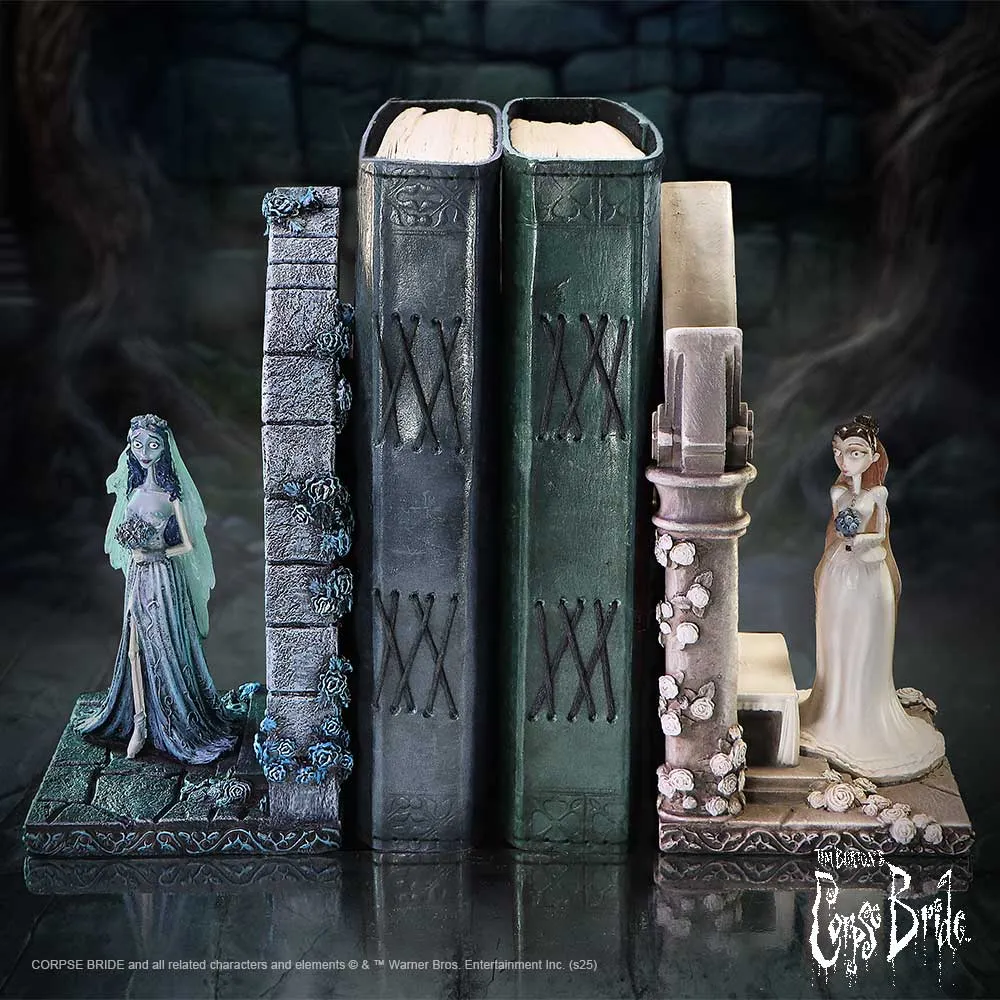
Small decorative objects bring the visual detail. Trinket dishes can hold rings or loose change. Raven or bat figurines add a watchful presence to a bookcase. A decorative skull can be sleek and artistic, humorous and Halloween-ready, or styled like an archaeological curiosity. The best pieces do more than fill a gap on a shelf – they give the eye something to pause on.
Wall décor, mirrors and frames can add another layer. Look for ornate black frames, moon and star motifs, botanical illustrations with a darker edge, or vintage-inspired typography. Gothic imagery works particularly well when balanced with sentimental objects, favourite books, gig posters or framed fandom artwork. It should feel collected, not copied from a catalogue.
Gothic Home Accessories, Witchy and Halloween Décor: What Is the Difference?
These categories overlap, but they are not identical. Gothic décor often leans towards drama, history, romanticism and shadowy elegance. It may reference cathedral arches, Victorian mourning jewellery, ravens, dark florals and old-world ornament.
Witchy or pagan-inspired accessories tend to focus more on celestial imagery, nature, crystals, herbs, tarot-style art and ritual objects such as incense burners. They can be very gothic, but they may also feel earthy, bright or bohemian.
Halloween décor is usually more playful and seasonal, with pumpkins, ghosts, spiders and friendly frights taking centre stage. Some pieces work beautifully all year round, especially black cats, bats and classic skulls. Others shine best when brought out for October. There is no rule against mixing all three. A home can hold a mystical moon burner in spring, a gothic goblet at dinner and a cheerful pumpkin ornament when autumn arrives.
How to Style Gothic Accessories Without Overdoing It
The strongest gothic spaces use contrast. A room filled with black objects can look flat if every surface has the same colour, finish and level of detail. Introduce texture through velvet, dark wood, aged metal, glass and ceramic. Add depth with shades of plum, oxblood, forest green, charcoal, midnight blue or antique gold.
Start with one area rather than tackling a whole room. A mantelpiece, coffee table, bedside cabinet or bookshelf is ideal. Group a few items at different heights, such as a candle holder, a small framed print and a decorative dish. Leave some breathing room around them so each piece can be appreciated.
If your home is light, neutral or modern, gothic accessories can still work brilliantly. Black glass, brass details and botanical designs create a sophisticated contrast against pale walls and natural wood. If your room is already dark, choose a few reflective surfaces or lighter accent colours so its character remains cosy rather than cramped.
Scale matters too. A large skull ornament or dramatic mirror can be a focal point, while smaller accessories are better used in groups. Three carefully chosen items generally look more deliberate than a dozen tiny novelties scattered across every surface. That said, collectors often enjoy a maximalist cabinet of curiosities, and that can look fantastic when it is arranged by theme, colour or material.
Choosing Pieces You Will Keep Reaching For
The most satisfying gothic home accessories suit your actual life. A beautiful mug you use every morning will earn more affection than a decorative object that stays boxed away. A trinket dish is more meaningful when it holds jewellery you wear, and a candle holder feels special when it is part of your evening routine.
It helps to choose a theme that connects the room. Perhaps you love celestial details, literary gothic style, ravens and woodland creatures, or classic black-and-red Halloween. You do not need to match everything exactly, but a loose theme prevents a collection from becoming visually noisy.
Quality and practicality deserve attention as well. Check that tableware is suitable for its intended use, that burners have a safe dish and sturdy base, and that painted or delicate ornaments can be placed away from busy edges. For gifts, think about the recipient’s space and habits. A compact incense holder is a thoughtful choice for a friend who enjoys fragrance, while a gothic mug or set of coasters suits someone who would rather not display lots of ornaments.
A Home With Its Own Dark Little Story
Gothic accessories are not about following a strict rulebook or proving how alternative your home can be. They are a way to make everyday surroundings feel more like yours – more magical, more dramatic, more nostalgic or simply more fun. At The Hidden Hatch, the joy is in finding those character-led pieces that feel like treasures rather than filler.
Choose the raven that makes you smile, the candle holder that improves a rainy evening, or the mug that looks right at home beside your favourite fantasy novel. A few well-chosen details can make a room feel wonderfully, unmistakably lived in.