

A beautiful oil burner can do more than make a room smell lovely. It can set the scene for a cosy reading nook, bring a little ritual to a quiet evening, or add a magical finishing touch to a gothic, autumnal or fantasy-inspired shelf. This beginner guide to oil burners will help you choose one that suits your space, enjoy fragrance safely, and keep your burner looking like the charming home treasure it is.
What is an oil burner?
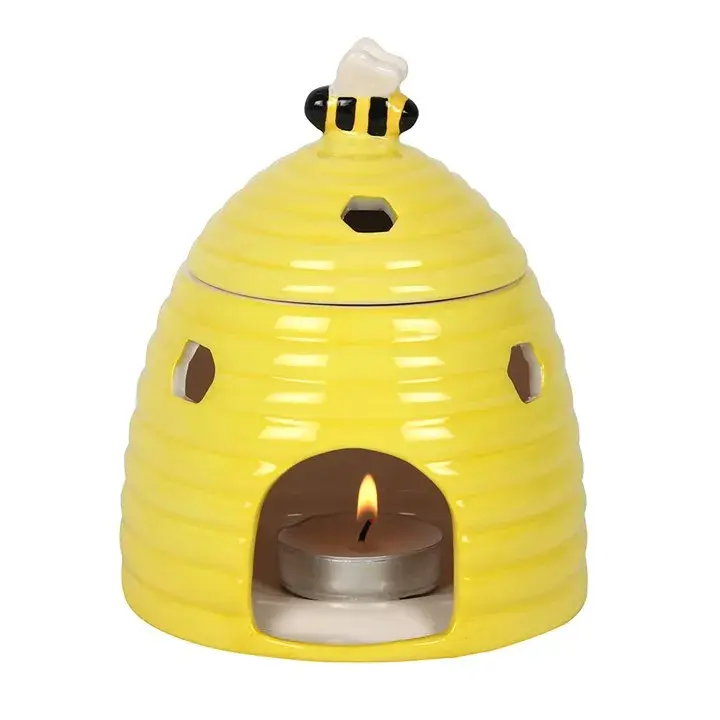
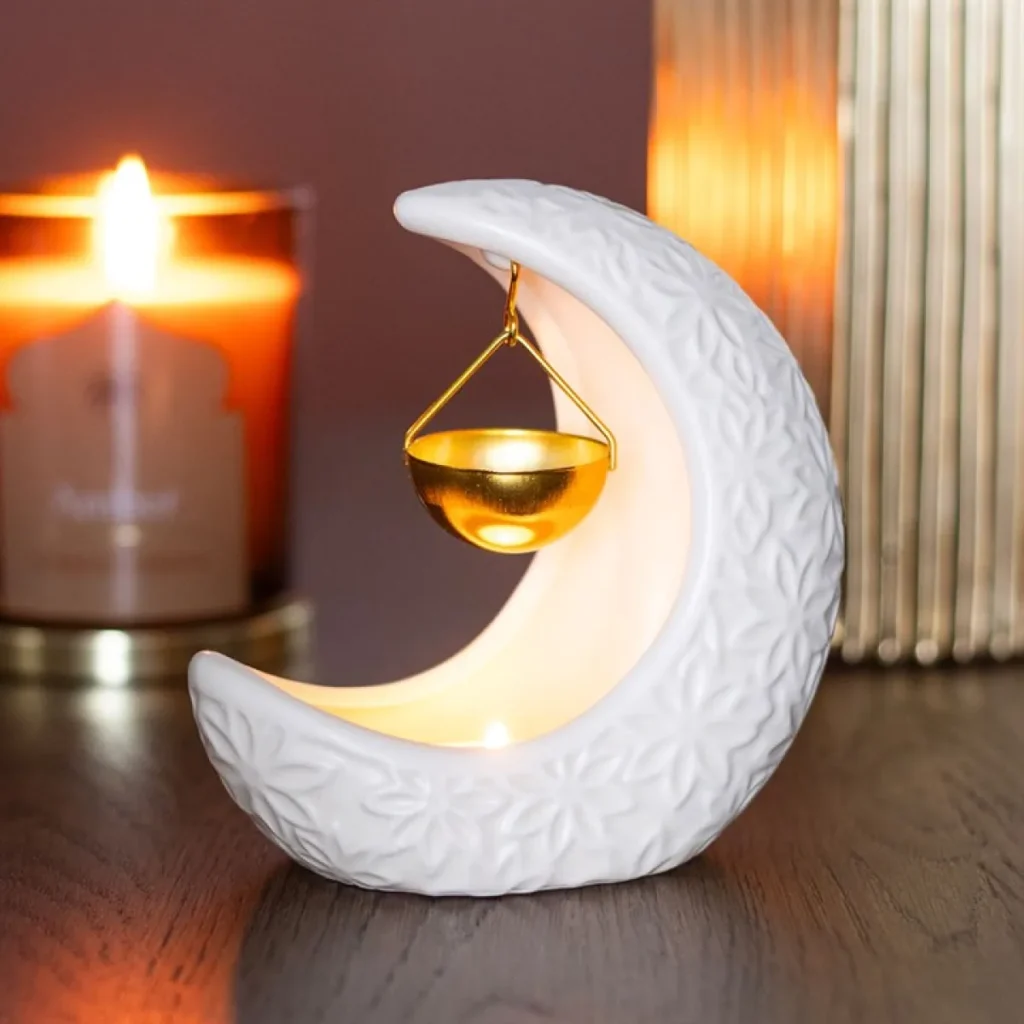
A traditional oil burner is usually a ceramic or metal piece with two parts: a small dish at the top and an opening beneath it for a tea light. The candle gently warms water mixed with fragrance oil, releasing scent into the room as the liquid heats.
They come in far more characterful forms than the plain white burners many people remember. A mystical moon, a witchy cottage, a haunted house or a piece with intricate cut-out stars can be fragrance décor and a conversation piece in its own right. That makes them a particularly good gift for someone whose home is filled with candles, crystals, curiosities or fandom-inspired details.
Electric wax and oil warmers work differently, using an electric heat source rather than a flame. They can be a sensible choice for households that would rather avoid a tea light, but they still need a stable surface, care around the hot dish and the manufacturer’s instructions.
Choosing an oil burner for the first time
The right burner is partly practical and partly about the atmosphere you want to create. It is tempting to choose solely by design, especially when a burner looks as though it has stepped out of a folklore tale. Still, a few details make a real difference to everyday use.
Check the size of the dish
Look for a reasonably deep, generously sized dish if you plan to use it often. Water evaporates while the tea light burns, so a shallow dish can dry out quickly. A deeper bowl gives you more breathing room, although it should never be treated as a reason to leave the burner unattended.
For a compact bedroom or desk area, a smaller burner can be ideal. In a larger lounge, a bigger dish and a stronger fragrance oil may give a more noticeable scent, but there is no need to turn the room into a perfume counter. Start gently and adjust as you learn what feels comfortable.
Consider the tea light space
A standard, unscented tea light is usually the best fit for a traditional burner. The flame needs enough room beneath the dish and should not sit so close to it that the oil overheats. Very large tea lights, multiple candles or unusually tall flames are not suitable unless the burner specifically says otherwise.
Choose a burner made for fragrance oils rather than assuming every decorative holder can take heat. A tealight holder with a dish placed on top is not automatically an oil burner. Purpose-made burners are designed to cope with the warmth and are the safer option.
Choose a design you will want to display
This is where the fun begins. A simple neutral burner may blend easily into any room, while a black cat, celestial, pumpkin or cottage-inspired design can lean fully into your personal style. If you are buying for someone else, think about the pieces already on their shelves. Fans of dark academia, Halloween décor, pagan-inspired details or magical interiors often appreciate gifts with a little more story than a standard home fragrance accessory.
How to use an oil burner safely
A traditional oil burner is simple to use, but it is still an open flame. Give it the same attention you would give any lit candle.
First, place the burner on a flat, heat-resistant surface, well away from curtains, books, artificial flowers, loose paper and anything else that could catch fire. Keep it out of reach of children and pets, and avoid draughty spots where the flame may flicker unpredictably.
Fill the top dish with water before adding fragrance oil. The amount varies with the size of the dish and the strength of the oil, but a few drops is a sensible starting point. You can add more next time if the scent is too subtle. Do not put fragrance oil directly into an empty dish unless the product instructions specifically say it is suitable for undiluted use.
Place one unscented tea light in the space below and light it carefully. As the water warms, the fragrance will gradually travel through the room. It should feel gentle rather than instant. If the dish runs low, extinguish the tea light and allow the burner to cool before topping up. Never add cold water to a very hot dish, and never let the dish boil dry.
When you have finished, extinguish the tea light safely. Do not move the burner while it is hot. Ceramic can retain heat longer than expected, so give it time to cool completely before emptying or cleaning it.
Finding fragrances that suit your space
The fragrance itself changes the mood just as much as the burner design. Bright citrus scents can feel clean and lively in a kitchen or hallway, while lavender, chamomile and soft floral blends often suit a slower evening routine. Vanilla, cinnamon, amber and spiced scents bring warmth to autumn and winter, particularly alongside candlelit décor.
For a darker, more atmospheric feel, try woody, smoky, resinous or earthy fragrance blends. Notes such as sandalwood, patchouli, cedar, frankincense and black cherry can work beautifully in rooms filled with gothic ornaments, fantasy collectables or Halloween decorations.
It depends on the oil, the size of the room and your own sensitivity to scent. Start with less than you think you need. A fragrance that is perfect in a large living room may feel overwhelming in a small bedroom. If anyone in your household has allergies, asthma, fragrance sensitivities or pets that may be affected by scented products, take extra care and seek appropriate advice before using fragranced oils around them.
Oil burners, wax melts and essential oils are not interchangeable
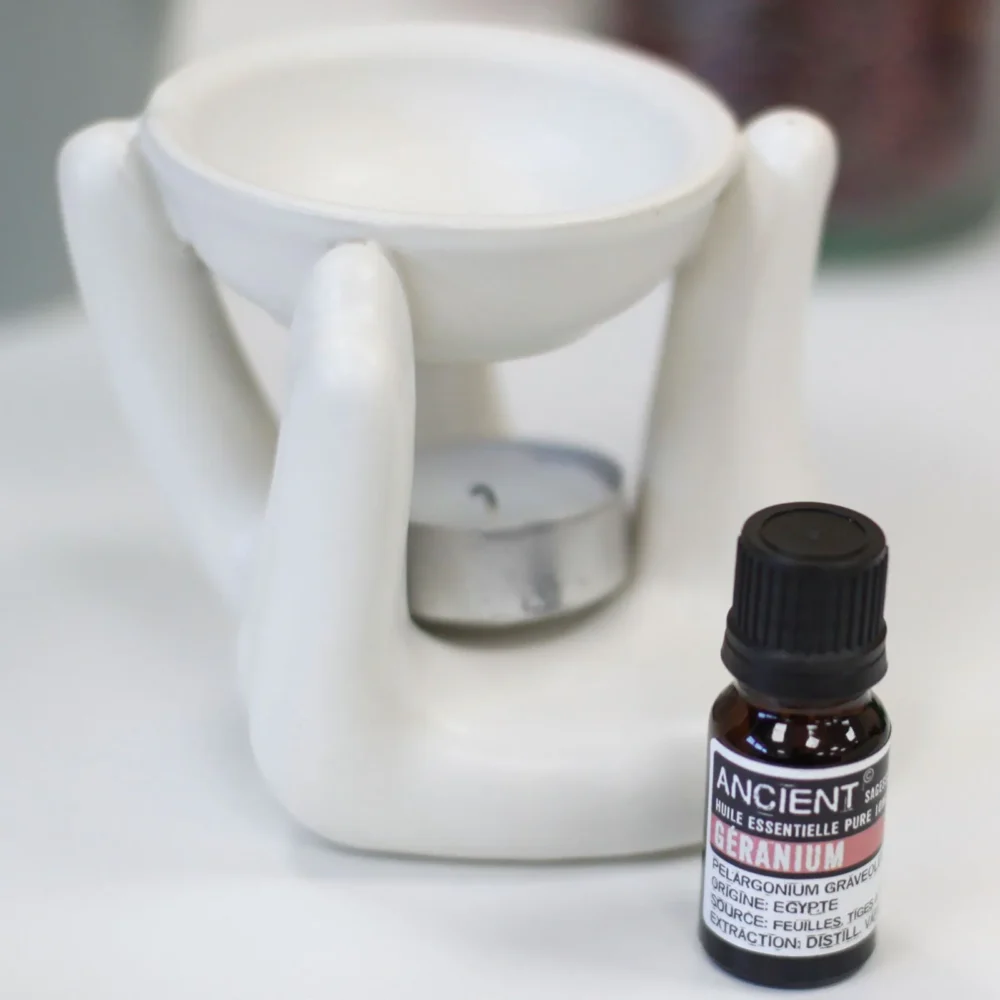
These products may live in the same cosy corner of your home, but they are used differently. Traditional fragrance oils are generally mixed with water in an oil burner. Wax melts are placed in a suitable warmer dish without water, where the wax melts and releases its scent. Essential oils can be more concentrated and need careful handling and dilution according to their label.
Do not add wax melts to a burner dish that is too small or shallow for melted wax, and do not pour water onto a wax melt. Likewise, avoid mixing oils, waxes and fragrance products unless their instructions confirm they are compatible. Choosing the right format keeps the experience enjoyable and makes cleaning much easier.
Cleaning and caring for your burner
Regular cleaning helps prevent old fragrance notes from muddying the next one. Once the burner is completely cool, pour away any remaining water and wipe the dish with kitchen roll or a soft cloth. For an oily residue, use warm water with a small amount of washing-up liquid, then dry thoroughly.
Avoid abrasive scourers that may scratch glazed ceramic or damage painted details. Never immerse an electric burner unless its care instructions clearly say that you can. If you notice cracks, chips around the dish, loose parts or heat damage, stop using the burner with a flame. A decorative piece can still look enchanting on display, but it should not be used as a heat source.
A small ritual with plenty of personality
An oil burner is one of those gifts that feels both useful and personal. Paired with a favourite fragrance oil, it can turn an ordinary evening into a moment that feels intentionally yours. Choose a design that makes you smile before it is even lit, use it thoughtfully, and let your home smell every bit as distinctive as it looks.
Beginner Guide to Oil Burners Reference Table
| Feature / Aspect | Traditional Oil Burners | Electric Wax & Oil Warmers |
| Heat Source | Unscented tea light candle placed underneath. | Electric internal heat source (no open flame). |
| Medium Used | Fragrance oil mixed with water in the top dish. | Wax melts (used without water) or compatible oils. |
| Ideal Setting | Characterful, atmospheric spaces (gothic, fantasy, or cozy reading nooks). | Households preferring to avoid open flames. |
| Safety & Placement | Requires a flat, heat-resistant surface away from draughts and flammable items. | Needs a stable surface and adherence to manufacturer instructions. |
| Maintenance | Let cool completely, then wipe or wash with warm soapy water. | Do not immerse in water unless specified by instructions. |
Frequently Asked Questions
1. What are the two main components of a traditional oil burner?
A traditional oil burner typically consists of two parts made from ceramic or metal: a small dish at the top to hold water and fragrance oil, and an open section beneath it designed to house a tea light candle.
2. Why is a deep dish recommended when choosing an oil burner?
Water evaporates while the tea light burns, meaning a shallow dish can dry out quickly. A deeper bowl provides more breathing room and reduces the risk of the dish boiling dry, though the burner should still never be left unattended.
3. Can fragrance oil be added directly to an empty dish?
No. You should always fill the top dish with water before adding a few drops of fragrance oil, unless the specific product instructions explicitly state that the oil can be used undiluted.
4. How do oil burners and wax melts differ in use?
They are not interchangeable. Traditional fragrance oils require water in an oil burner dish, whereas wax melts are placed in a suitable warmer dish without water so the melting wax can release its scent.
5. What is the proper way to clean a cooled oil burner?
Once the burner is completely cool, pour away any remaining water and wipe the dish with kitchen roll or a soft cloth. For stubborn oily residue, use warm water with a small amount of washing-up liquid, and avoid abrasive scourers that could scratch the glaze.