
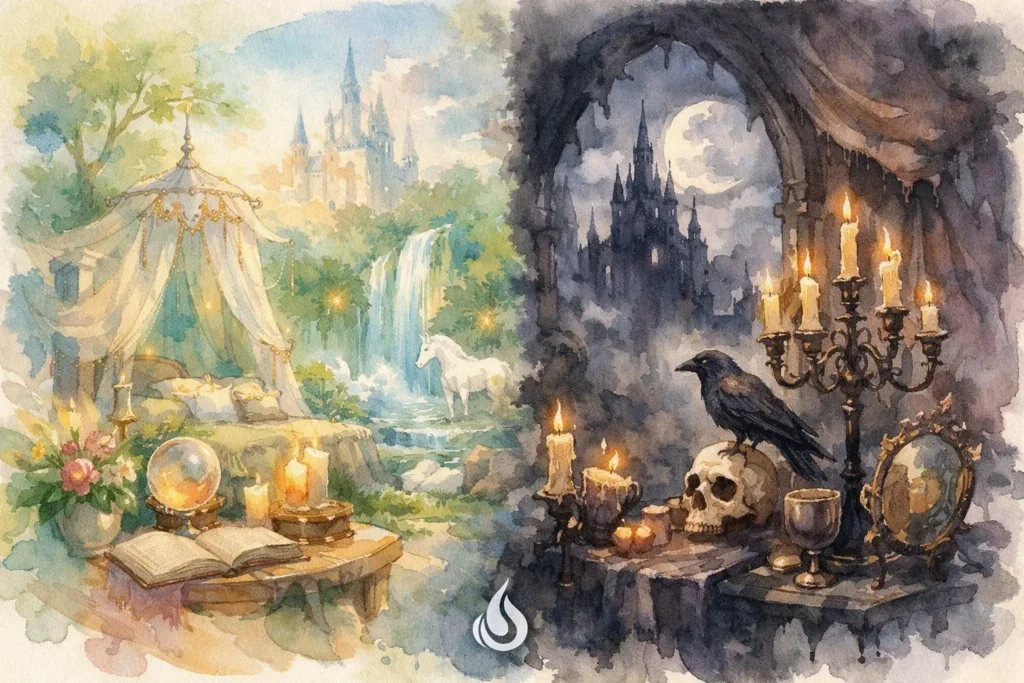
A dragon guarding a bookshelf, a black rose candle holder on the mantelpiece, a celestial mug waiting for your first tea of the day – the line between fantasy decor vs gothic decor can look wonderfully blurred. Both styles favour atmosphere over bland basics, and both make a home feel more personal. Yet they tell very different stories once you look beyond the shared love of mystery, magic and striking details.
For gift buyers, collectors and anyone building a home with a little more character, knowing the difference makes choosing the right piece far easier. Is the recipient dreaming of enchanted forests and faraway realms, or do they prefer candlelit crypts, Victorian romance and the deliciously dark side of Halloween?
Fantasy Decor vs Gothic Decor: The Core Difference
Fantasy decor is built around escapism. It borrows from myths, folklore, wizards, medieval worlds and beloved fictional realms. Think dragons, castles, woodland creatures, celestial symbols, potion bottles and maps of imagined lands. It can be bright and adventurous, quietly magical or richly medieval, but its defining feeling is possibility. A fantasy-inspired room suggests that a quest might begin just beyond the door.
Gothic decor is more dramatic, romantic and shadowed. Its visual roots run through Gothic architecture, Victorian mourning traditions, dark literature, witchy imagery and classic horror. Skulls, ravens, black cats, ornate frames, pointed arches, tarot motifs and deep florals all sit comfortably here. Rather than transporting you to a cheerful enchanted kingdom, gothic style creates mood: elegant, eerie, theatrical or beautifully melancholic.
Neither aesthetic has to be serious all the time. A grinning skull-shaped mug can be playful, while a dragon ornament can look imposing and dark. The useful question is not whether an item contains magic or monsters. It is whether the overall feeling leans towards wonder and adventure, or mystery and darkness.
Colour, Texture and Light Set the Mood
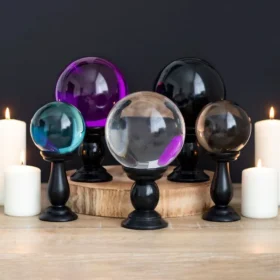
Fantasy interiors usually have a broader palette. Forest green, sapphire blue, amethyst purple, warm gold and earthy brown all work naturally, especially when layered with wood, faux foliage, aged-looking books and glowing lanterns. A softer fantasy look might use cream, blush pink and shimmering silver for a fairy-tale feel. The style is often textured and collected, as though each object has returned from a different corner of an imaginary world.
Gothic decor typically begins with darker foundations: black, charcoal, burgundy, plum, blood red and antique gold. Velvet cushions, black lace, dark wood and metallic details add depth without making a room feel flat. Candlelight is central to the effect, whether from real candles used safely or from an atmospheric oil burner, lantern or electric light. The aim is not simply to make everything black. It is to create contrast, shadow and a sense of deliberate drama.
This is where scale matters. In a small flat or a room with limited natural light, full gothic treatment can feel heavy if every surface is dark. Start with a black table runner, an ornate candle holder or a raven-inspired ornament, then let lighter walls and reflective accents do some of the work. Fantasy decor can become busy in a different way, particularly if every shelf is crowded with figurines, crystals and mystical creatures. Give the most characterful pieces room to be noticed.
Fantasy symbols and motifs
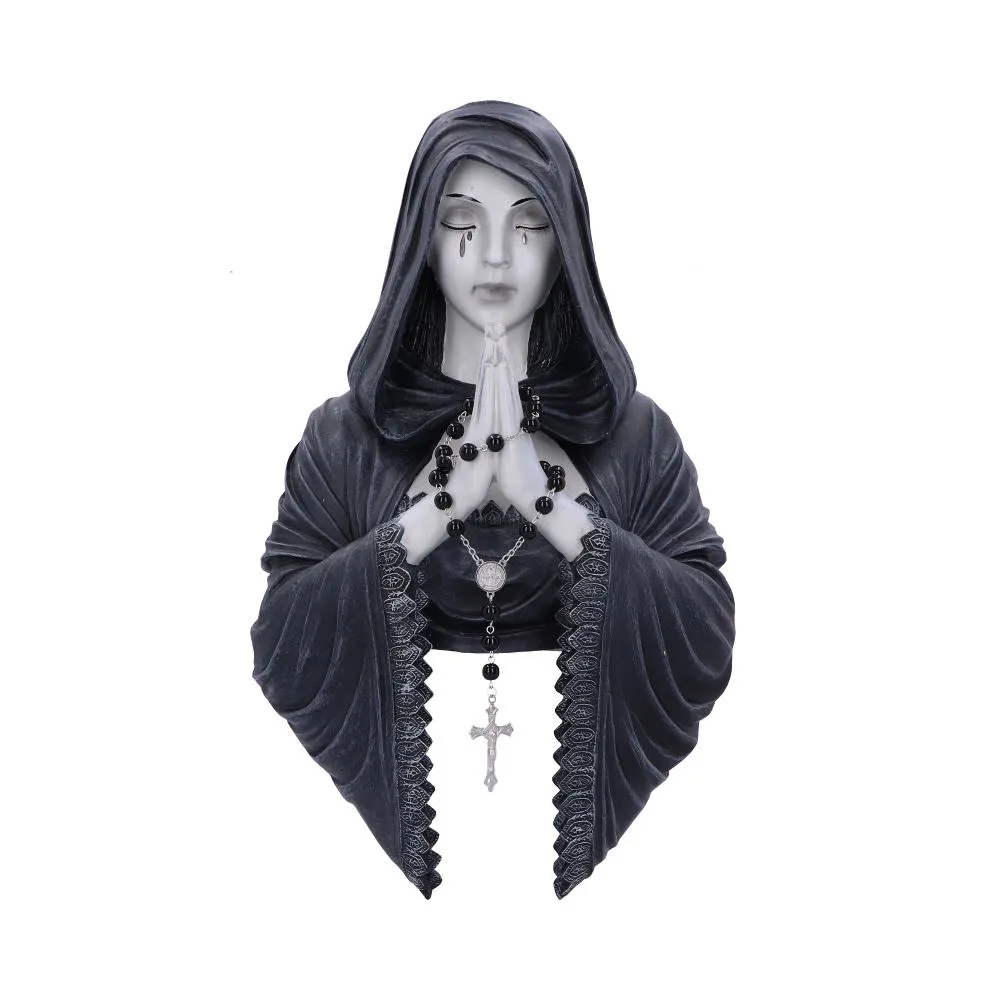
Fantasy styling is wonderfully flexible because it can follow a favourite type of story. Dragons and medieval shields suit an epic, quest-like look. Mushrooms, fairies and woodland animals create a gentler folklore corner. Stars, moons and spellbook imagery feel more mystical, while officially licensed pieces from worlds such as Harry Potter, Lord of the Rings or Game of Thrones add a recognisable fandom thread.
The key is choosing a loose narrative. A dragon mug, a wizard-themed notebook and a castle-style bookend can feel like a charming collection when they share a world of adventure. Add unrelated novelty pieces without a connecting mood, however, and the display may start to look less curated than accidental.
Gothic decor, symbols and motifs
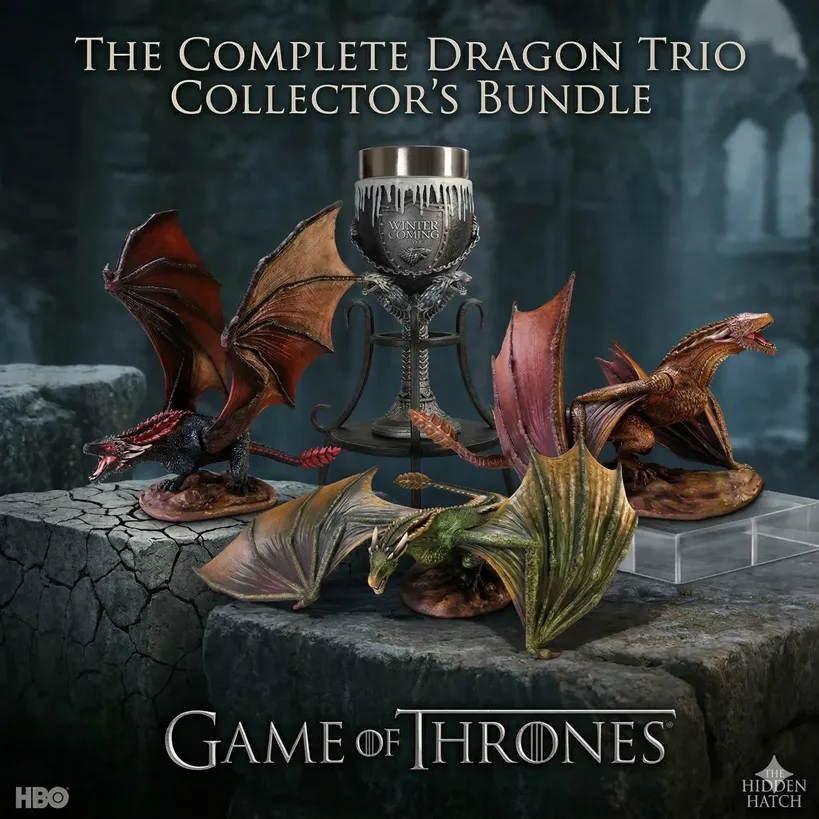
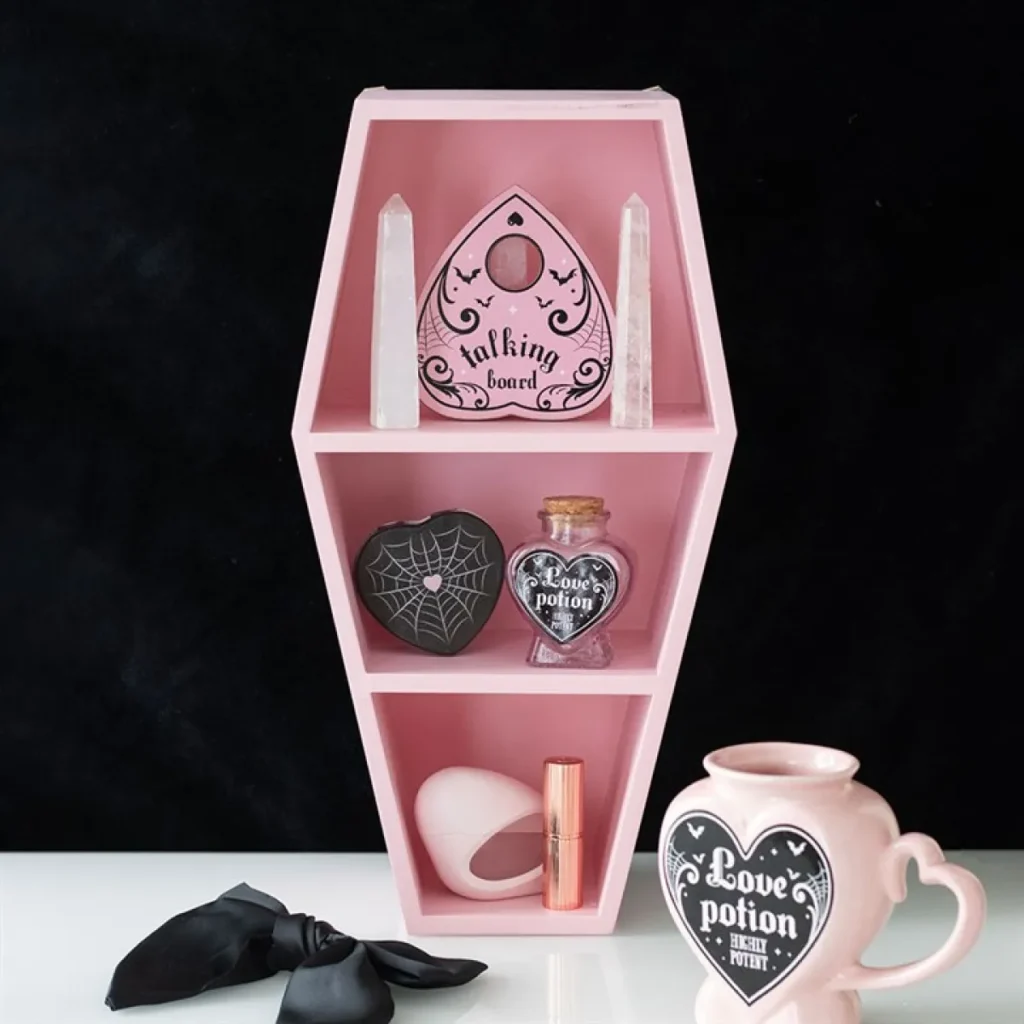
Gothic styling relies on familiar imagery, but the treatment can range from refined to gloriously spooky. A raven, black cat or crescent moon brings a witchy touch. Skulls and skeletons give a more macabre, Halloween-ready edge. Roses, bats, coffin shapes and ornate religious-inspired details make the aesthetic feel romantic and dramatic.
For an elegant gothic room, lean into black glass, antique-style metalwork, deep red roses and detailed silhouettes. For something more playful, choose quirky Halloween tableware, characterful mugs or a candle holder with a touch of camp horror. Gothic does not need to mean gloomy. It can be glamorous, witty and full of personality.
Choosing Decor for Your Room, Shelf or Gift
A single decorative item can set the tone for a whole corner of a home. A fantasy piece often works best where there is already a feeling of comfort and story: a reading nook, desk, bookcase or bedside table. Pair it with warm light, books and natural textures, and it becomes part of a little world rather than just an ornament.
Gothic pieces shine in spaces that benefit from contrast. A dark incense burner on a pale shelf, a dramatic mug displayed in a kitchen, or a black-and-gold trinket dish on a dressing table can make an immediate statement. They are also brilliant for seasonal decorating, particularly when autumn arrives and a home is ready for richer colours, candlelight and Halloween charm.
When buying a gift, think about how openly the recipient wears their interests. A devoted fantasy fan may adore a licensed collectable tied to a favourite franchise, especially if it can be displayed rather than hidden away. Someone with a gothic wardrobe or a love of horror may prefer a useful everyday item with dark flair, such as distinctive tableware, a mug, stationery or a candle accessory.
Practical pieces are often the safest choice for someone whose home style you do not know well. A wonderfully detailed ornament needs the right shelf. A magical or gothic mug, notebook, incense holder or small trinket dish gives them character without demanding a full room redesign. For collectors, on the other hand, a display-worthy figure or licensed treasure can be exactly the right sort of gift: personal, memorable and made to be admired.
Can You Mix Fantasy and Gothic Decor?
Absolutely, provided there is a clear thread running through the mix. The most successful blend is often dark fantasy: enchanted forests at twilight, dragons in a candlelit library, ancient castles under a full moon. Deep green, black, plum, bronze and aged gold bring both worlds together beautifully.
Start with one anchor mood rather than trying to show every interest at once. For example, a dark wooden shelf could hold a dragon ornament, a black crescent-moon burner and a few old-looking books. The fantasy element brings lore and adventure; the gothic details add shadow and atmosphere. This works particularly well for fans whose tastes move between magical fiction, alternative style and Halloween all year round.
There are trade-offs. A rainbow fairy theme beside realistic skull decor can look confused unless you deliberately want a maximalist, playful display. Likewise, a pristine white-and-gold magical look may lose its charm beside heavily distressed horror pieces. Let colour, material or subject matter create the bridge. Moons, ravens, spellbooks, castles and woodland imagery are all natural meeting points.
Build a Look That Feels Like Yours
The best gothic decor is not a catalogue-perfect replica of one aesthetic. It is the collection of objects that make you smile when you walk into the room: the dragon that reminds you of a favourite film, the black cat ornament that belongs beside your books, the mug that makes an ordinary tea break feel more ceremonial.
Fantasy decor brings the thrill of a story still unfolding. Gothic decor brings mood, romance and a wonderfully dark sense of theatre. Choose the one that feels most like home, or let them meet in the middle and create a corner with a little magic after dark.
Fantasy Decor vs. Gothic Decor: Quick Comparison
While both styles embrace whimsical, dramatic, and non-traditional elements, Gothic decor is rooted in historical European architecture, romanticism, and moody elegance. In contrast, Fantasy decor draws inspiration from mythical worlds, folklore, enchanted nature, and otherworldly storytelling.
| Feature | Gothic Decor | Fantasy Decor |
| Core Aesthetic | Moody, romantic, architectural, and Victorian-inspired. | Enchanted, whimsical, story-driven, and imaginative. |
| Color Palette | Deep black, blood red, plum purple, charcoal, and emerald green. | Earthy moss green, celestial gold/silver, amethyst, and warm wood tones. |
| Key Materials | Heavy velvet, wrought iron, dark stained oak, and carved stone. | Raw crystals, terrariums, woven vines, polished brass, and natural leather. |
| Signature Accent Pieces | Pointed arch mirrors, candelabras, gargoyles, and ornate damask drapes. | Levitating moon lamps, dragon/fae figurines, potion bottles, and illuminated crystal clusters. |
| Overall Lighting Vibe | Low, atmospheric candlelight and shadowed sconce lighting. | Soft ambient fairy lighting, warm glowing orbs, and prism sun catchers. |
Frequently Asked Questions About Fantasy and Gothic Decor
What is the main difference between Fantasy decor and Gothic decor?
Gothic decor focuses on dark, historic, and moody architectural elements—such as pointed arches, wrought iron, dark velvet, and antique Victorian details. Fantasy decor focuses on storytelling, folklore, and mythical motifs—incorporating elements like celestial maps, enchanted botanical features, dragons, crystals, and magical lighting.
Can you blend Fantasy decor and Gothic decor together?
Yes! Blending the two creates a popular sub-genre known as Dark Fantasy or Gothic Cottagecore. You can achieve this hybrid look by pairing moody Gothic foundations (like dark wood furniture and velvet drapes) with magical accents (like raw crystal displays, glowing moon lamps, and terrariums).
What lighting works best for a Fantasy-themed room versus a Gothic room?
Gothic rooms rely on dramatic contrast, shadows, and warm candlelight using candelabras, wall sconces, or shaded chandeliers. Fantasy-themed rooms rely on magical, diffused ambient light, such as warm string lights, salt lamps, prism sun catchers, or glowing moonlight globes.
Which decor style is easier to incorporate into a modern home?
Gothic decor can be integrated seamlessly via a “Modern Gothic” look by using a single dark accent wall, pointed arches, or black metallic fixtures. Fantasy decor is often easier to introduce through subtle accessories—such as crystal bookends, botanical prints, or celestial wall art—without needing to repaint or overhaul heavy furniture.