
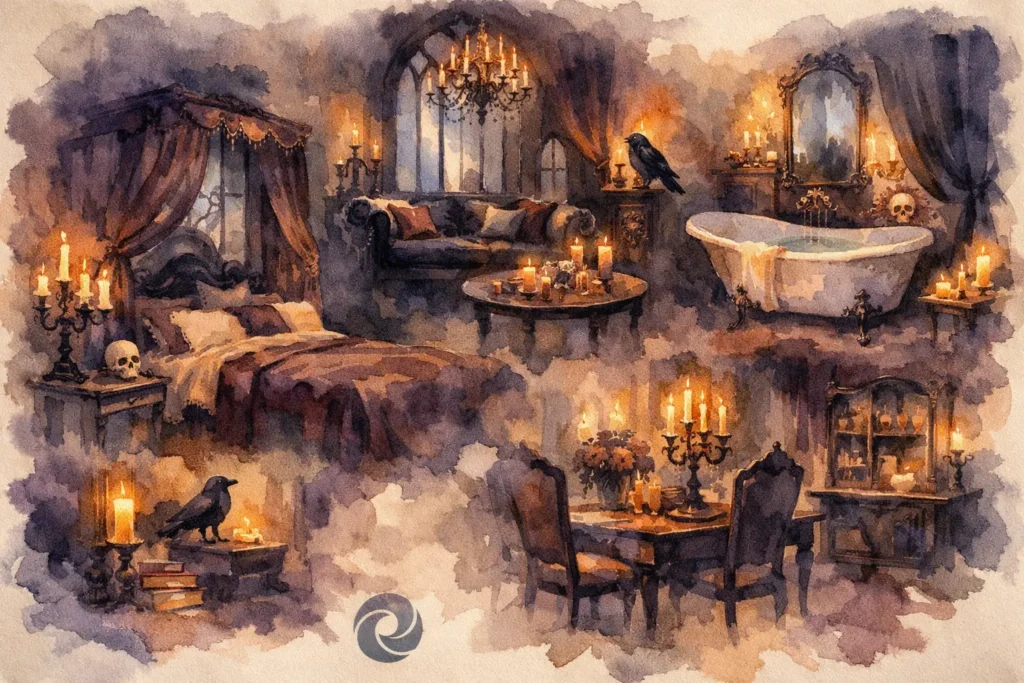
A gothic room should feel collected, not like a film set packed away after Halloween. The best gothic makeover examples use shadow, texture and intriguing objects to make an ordinary space feel more personal – whether that means a single raven candle holder on a bedside table or a full dining room with dark walls and dramatic tableware.
There is no single version of gothic style. Some homes lean towards Victorian romance, with antique-look frames and velvet. Others take inspiration from witchy cottages, medieval great halls, supernatural TV favourites or moody modern interiors. The common thread is intention: every piece should add atmosphere, tell a little story or simply make you smile when you walk into the room.
What makes a gothic makeover feel right?
Dark paint is an option, not a rule. A charcoal, forest-green or oxblood feature wall can be wonderfully theatrical, but the look also works in a rented flat with pale walls. Focus instead on contrast. Pair black with warm wood, aged gold, deep purple, blood red, moss green or smoky glass. These colours stop the room from looking flat and let the darker details stand out.
Texture matters just as much as colour. Think velvet cushions against worn-look wood, glossy black ceramic beside matte paper, or lace layered over plain linen. Soft lighting is the finishing touch. A harsh ceiling bulb can make even the most beautifully arranged shelf feel uninviting, while a lamp, battery candle or gentle oil burner creates the low, warm glow gothic spaces are known for.
The trade-off is practicality. If a room is already small or receives very little daylight, covering every surface in black may make it feel closed in. Keep a lighter ceiling, use mirrors to catch available light, and choose a few statement areas rather than turning every wall into a feature.
Gothic makeover examples for living spaces
1. The candlelit reading corner
Start with one armchair, a throw and a small side table. Add a dark floral cushion, a bookish mug and a candle holder with a little gothic character. A raven, skull or moon design introduces the theme without making the room feel costume-like.
Finish the corner with a framed print, a stack of favourite fantasy novels and a small lamp with a warm-toned bulb. This is an especially good gothic makeover for people who love the aesthetic but share their home with someone whose taste is more neutral. It claims a corner rather than demanding an entire redesign.
2. The collector’s mantelpiece
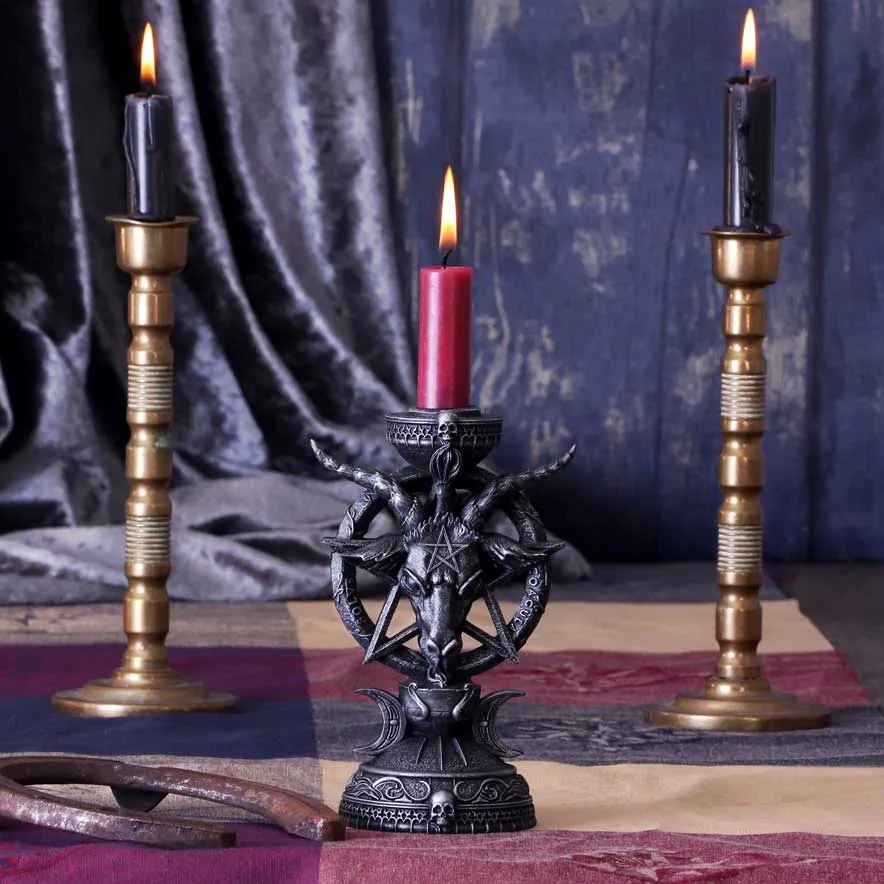
A mantelpiece, console table or deep windowsill is ideal for a miniature gothic display. Rather than lining up every item you own, build height and variation. Place a taller framed piece or decorative mirror at the back, then arrange candlesticks, collectable figures, faux botanicals and a few small curios in front.
Choose a theme to give the display focus. It might be magical creatures, haunted woodland, celestial symbols or a favourite fantasy franchise. A curated group has more impact than a shelf crowded with unrelated objects, and it is easy to refresh with the seasons.
3. The modern black-and-brass lounge
For a cleaner interpretation, use black as an anchor rather than a flood of colour. A black side table, dark rug or graphic cushion cover can sit alongside cream walls and a neutral sofa. Bring in brass-toned details, smoky glass and one or two ornate pieces to add gothic richness.
This approach works well for newer homes and open-plan rooms. It still feels moody and distinctive, but it does not compete with every other part of the space. A black-and-gold skull ornament or a gothic-style tray can do far more than its size suggests.

Make the dining table part of the story
4. The dark feast table
A gothic dining makeover does not need to wait for a dinner party. Swap everyday placemats for a dark runner, layer black or charcoal plates with coloured glassware, and put candles at different heights down the middle. Add a jug of dried flowers, eucalyptus or deep red faux blooms for a centrepiece that lasts.
Alternative tableware is where this look becomes immediately memorable. A striking mug makes a quiet tea break feel more considered; a dramatic serving bowl turns snacks into part of the occasion. If you enjoy hosting, build your collection gradually so the table feels individual rather than overly matched.
5. The Halloween table that stays out
Halloween décor can look surprisingly elegant long after 31 October when it is chosen with care. Keep the obvious novelty pieces for the season, then leave out the elements with year-round appeal: black taper holders, bat-shaped details, witchy ceramics, dark glass and moon motifs.
The key is restraint. One playful statement piece among more refined textures feels charming. Ten competing slogans and plastic decorations can quickly overwhelm a smaller dining room. Let the permanent styling be atmospheric, then add the louder festive finds when autumn arrives.
Small gothic makeover examples with a big effect
6. The bewitching bathroom shelf
Bathrooms are often overlooked, but they are perfect for a small dose of drama. Decant cotton pads and bath salts into dark glass jars, add a black tray for soaps and choose a hand towel in plum, charcoal or deep green. A small decorative mirror and an incense-style fragrance can make the room feel less functional and more like a private retreat.
Avoid open flames in a busy bathroom, especially around towels and aerosols. Flameless candles or a carefully placed oil burner used only when supervised bring the same mood with less fuss.
7. The midnight bedroom update
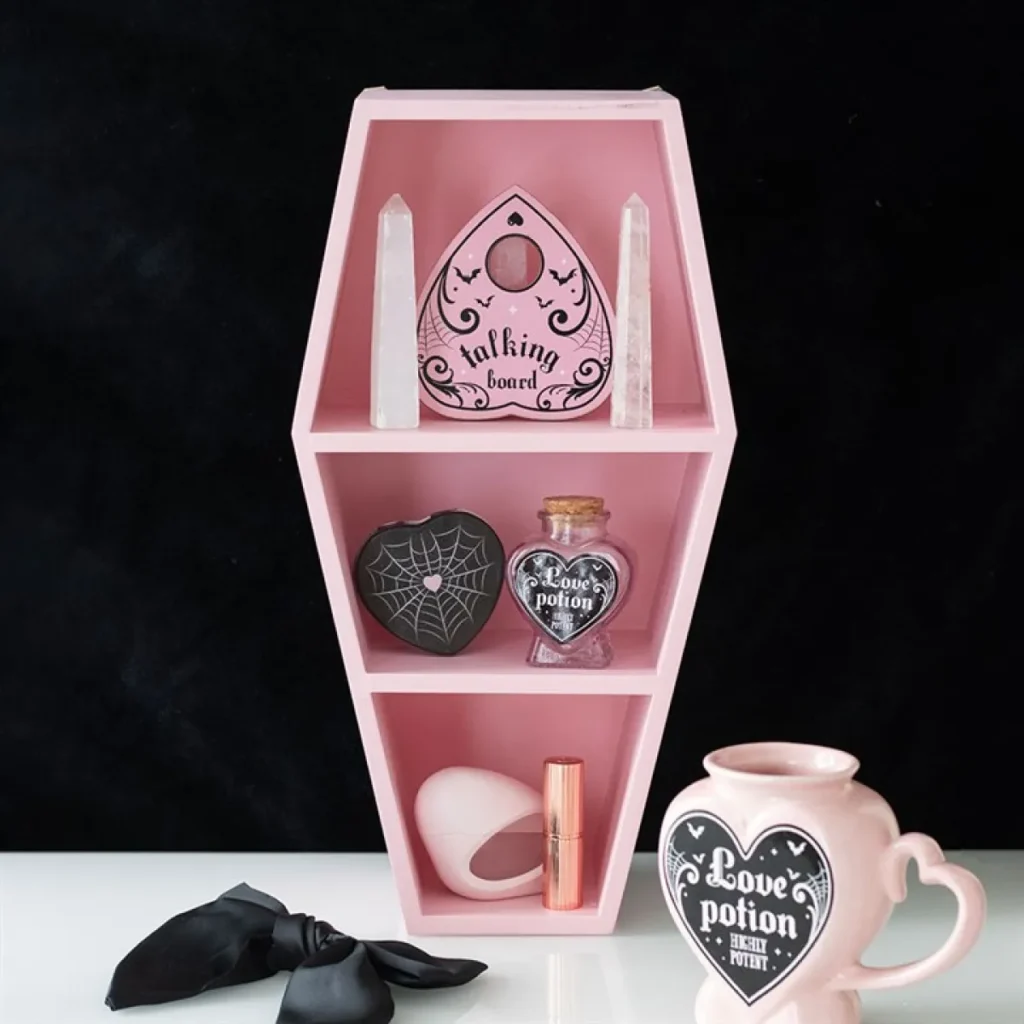
You do not need a four-poster bed to create gothic romance. Begin with bedding in black, wine red or dark green, then layer in one tactile material such as velvet, faux fur or quilted cotton. Add bedside lighting with warm bulbs and choose a distinctive trinket dish, jewellery holder or small ornament for the table.
For a more magical feel, use celestial prints, moon phases and potion-bottle-inspired details. For a darker rock aesthetic, try black-and-white band artwork, skull motifs and worn metallic finishes. Your bedroom should still support rest, so leave some clear surfaces and avoid visual clutter around the bed.
8. The dark academia desk
A desk makeover can make study, gaming or working from home feel far less ordinary. Start with stationery that you genuinely enjoy using, then add a moody desk lamp, a notebook with ornate artwork and a mug that fits the theme. A corkboard or framed print above the desk can hold postcards, notes and favourite characters without becoming chaotic.
Wood, black metal and aged-looking accessories suit this style particularly well. The aim is a creative corner that feels like a secret library, not a pile of props that makes it harder to find your charger.
Add character through gifts and collectables
9. The fandom-meets-gothic display
Licensed merchandise can belong in a gothic home when it shares the same sense of drama. A dragon, a dark wizarding-world design, a fantasy crest or a supernatural character collectable can sit naturally beside candles and antique-look décor. The trick is to group items by colour or story rather than displaying every franchise in one place.
A single shelf devoted to a beloved world feels deliberate. It also makes an excellent gift idea for someone whose gothic style is closely tied to their fandom. At The Hidden Hatch, the joy is in finding those pieces that feel like both a collectable treasure and a genuine part of the home.

10. The welcoming gothic hallway
First impressions count, even in a narrow hallway. A dark doormat, ornate-looking hook rack, framed mini print and a small catch-all dish can establish the mood before guests reach the living room. If space allows, add a slim console table with one lamp or a battery candle.
Keep the path clear and give everyday essentials a home. Gothic style is at its most effective when it feels lived in, not when everyone has to step around a decorative skull to find their shoes.
How to build the look without starting again
Begin with the room you use most and choose one mood: romantic Victorian, witchy woodland, elegant Halloween, dark academia or fantasy collector. Then introduce colour, lighting and a small number of expressive objects. Living with the first layer for a week or two will show you whether the room needs more drama or simply better arrangement.
The most convincing gothic spaces are never copied item for item. They collect clues about the person who lives there: favourite stories, odd little treasures, meaningful gifts and a fondness for the beautifully unusual. Let your makeover grow at that pace, and even the smallest dark detail can make home feel more like yours.
Gothic Makeover Examples Summary
| Makeover Concept | Primary Element | Suggested Color Palette | Key Styling Tip |
| The Candlelit Reading Corner | Armchair and side table | Deep floral, warm wood, gold | Use a raven, skull, or moon design to introduce the theme without looking like a costume. |
| The Collector’s Mantelpiece | Shelves or window sills | Contrasting textures and heights | Build height variation with a taller mirror or frame at the back, keeping a focused theme. |
| The Modern Black-and-Brass Lounge | Accent furniture and textiles | Black, cream, brass, smoky glass | Use black as an anchor alongside neutral walls and rich metal details for a clean look. |
| The Dark Feast Table | Table runner and dinnerware | Charcoal, deep red, forest green | Layer black plates with colored glassware and mix candle heights down the center. |
| The Bewitching Bathroom Shelf | Glass jars and small trays | Plum, charcoal, deep green | Decant everyday items into dark glass and use flameless candles for safety. |
| The Dark Academia Desk | Stationery and functional lighting | Wood, black metal, aged brass | Combine moody task lighting with ornate notebooks to mimic a secret library. |
Gothic Makeover QandA
1. What is the overarching philosophy of creating a successful gothic room makeover according to the text?
A gothic room should feel collected and personal rather than like a temporary film set, using shadow, texture, and intention so every piece adds atmosphere or tells a story.
2. How can someone achieve a gothic look if they live in a rental property with pale walls?
By focusing on contrast rather than dark paint—pairing black details with warm wood, aged gold, deep purple, oxblood, or smoky glass to keep the space from feeling flat.
3. What are three recommended textures to layer when building a moody interior?
Velvet cushions against worn wood, glossy black ceramic beside matte paper, or lace layered over plain linen.
4. How can Halloween décor be styled so it works year-round?
By keeping permanent elements like black taper holders, bat details, witchy ceramics, dark glass, and moon motifs while putting away temporary novelty slogans and plastic pieces.
5. What is the main styling rule for incorporating licensed fantasy or fandom merchandise into a gothic home?
Group items by color or story rather than mixing every franchise together, treating a single dedicated shelf as a deliberate collector’s display.